

UTM Dalitso Kabambe, who paid himself K30m salary at RBM, says: “Clueless leaders are letting Malawi down.”
Former Reserve Bank Governor Dalitso Kabambe, who made news for paying his a hefty K30 million salary at the central bank, has launched a scathing critique of Malawi’s current leadership, accusing them of being “clueless” and failing to steer the nation toward progress. Speaking at a recent public forum, Kabambe did not mince words, arguing that the country’s leaders are out of touch with the realities facing Malawians and are driving the nation into deeper economic and social crisis.
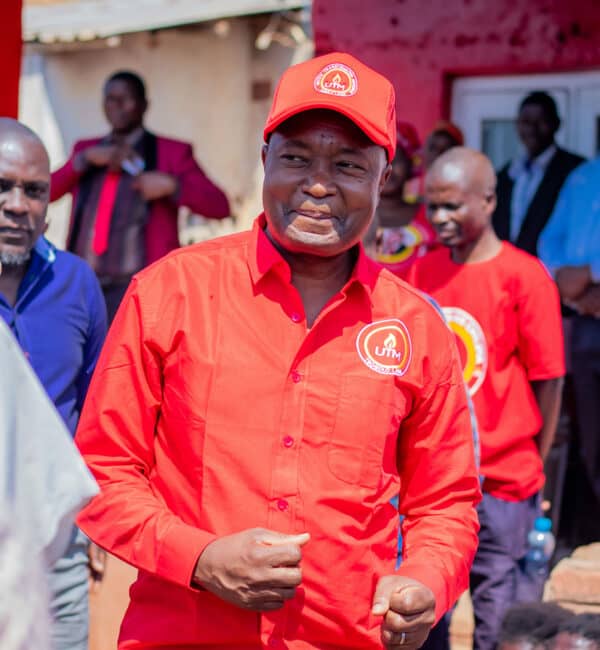
Kabambe, who has been vocal on matters of national governance since his transition into politics, expressed frustration at what he termed a “leadership vacuum” that has left Malawi lagging behind in development. “We are witnessing the consequences of clueless leadership—leaders who do not understand the complexities of the economy, who lack a strategic vision, and who are failing to address the urgent needs of Malawians,” he said.
The former central bank governor criticized the government’s handling of the economy, particularly the rising inflation, high cost of living, and growing unemployment. According to Kabambe, these are not just inevitable challenges, but rather the result of poor economic management and lack of foresight. He pointed out that while many Malawians are struggling to make ends meet, the government appears directionless and focused on short-term political gains.
Kabambe was particularly concerned about the national debt, which he claimed is ballooning under the current administration without corresponding improvements in infrastructure or service delivery. “We are accumulating debt, but where are the results? The roads remain poor, hospitals are underfunded, and schools are falling apart. What kind of leadership is this?” Kabambe questioned.
The issue of corruption also featured prominently in his address, as Kabambe argued that graft has become entrenched within the current leadership, further eroding public trust. He stressed that corruption not only undermines development but also drives inequality, as resources meant for public services are diverted for personal gain. “We have leaders who are not just clueless but are actively participating in corruption, enriching themselves at the expense of the people,” he added.
Kabambe’s remarks have stirred a debate, with many citizens echoing his concerns about the direction Malawi is heading. In a nation where poverty and unemployment remain widespread, Kabambe’s pointed criticism has resonated with those who feel let down by the lack of tangible progress. His comment about “clueless leadership” has struck a particular chord, as many believe that the nation’s challenges are not being adequately addressed.
Kabambe’s speech also touched on the need for urgent reforms, including a revamp of the public sector, improved governance, and investment in key areas such as education, healthcare, and agriculture. He argued that with proper leadership, Malawi has the potential to be a regional leader in development. However, he warned that if the country continues on its current path, the situation will worsen.
“Malawi is not doomed, but the future looks bleak under the current leadership,” Kabambe stated. He called on Malawians to demand better from their leaders and to prioritize competence and integrity in leadership positions.
Kabambe’s harsh critique comes at a time when the political landscape in Malawi is heating up, with the public growing increasingly frustrated by the lack of progress on many fronts. His words have led to speculation that he may be positioning himself for a greater political role in the near future, as he continues to push for change in the way the country is governed.
In conclusion, Kabambe’s message is clear: Malawi’s potential is being squandered by a leadership that is out of its depth. Whether his words will spur the change he is calling for remains to be seen, but his critique has undeniably added fuel to the ongoing national conversation about the need for more effective leadership.
Burnett Munthali, who else?