

When leadership demands sacrifice, some MPs see only lost allowances
In times of national adversity, leadership is measured by how courageously it adapts to extraordinary circumstances.
Malawi is grappling with persistent foreign-exchange shortages, fuel-supply instability, disruptions to domestic production and the looming impact of El Niño-related weather disasters. These are not ordinary challenges, and they cannot be met with business as usual. They demand difficult decisions, prudent public spending and innovative interventions that put national survival above institutional convenience.
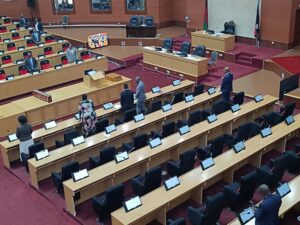
Against this backdrop, the President’s decision to postpone the sitting of the National Assembly deserves serious consideration, not reflexive condemnation.
When the national purse is under pressure, every expenditure must be justified against competing priorities. Should scarce public resources keep financing routine parliamentary sittings at full cost while the country struggles to secure essential supplies and prepare for potentially devastating weather?
Consider the figures cited for parliamentary spending. Malawi has 229 Members of Parliament. Based on the stated monthly salary and allowances, each MP receives about K5.79 million in basic pay and listed monthly entitlements. Collectively, that comes to roughly K1.33 billion a month, before other parliamentary operating costs are counted.
At K120,000 per MP per sitting day, daily attendance allowances alone total K27.48 million. Transport reimbursements and other sitting-related costs add further pressure on the public purse. These figures raise a fair question: is the postponement necessary?
In my view, it is. At a time when ordinary Malawians are enduring hardship, why should the state not reconsider the cost of parliamentary business?
Parliament is indispensable to democracy. Its constitutional duties of lawmaking, representation and oversight must never be trivialised.
But that importance does not make every expenditure untouchable or every scheduled sitting immune to exceptional circumstances.
Responsible leadership sometimes requires institutions to adjust their routines so the nation can respond to more urgent demands.
What is particularly baffling is the reaction of some opposition MPs affiliated with the Malawi Congress Party (MCP), who are protesting the postponement by invoking the precedent set under the previous administration.
Their argument appears to be that because Parliament met during earlier disasters, it must keep meeting now.
But since when did the shortcomings of a previous administration become the standard by which present leadership is judged?
If the last government maintained business as usual during a crisis, does that make its approach the wisest one? The purpose of leadership is to learn from past experience, not to perpetuate every established practice regardless of its cost or relevance.
Parliamentarians may have legitimate concerns about democratic oversight, accountability and representing their constituents. Those concerns deserve answers.
But they must also explain why parliamentary business cannot be reorganised to preserve essential oversight while avoiding unnecessary spending in a national emergency.
The President’s intervention should be judged by its practical results: how much public money it actually saves, whether essential parliamentary functions remain protected, and whether the resources released meaningfully support fuel security, disaster preparedness and other urgent priorities.
If the postponement produces no demonstrable savings, or merely shifts spending elsewhere, its justification must be reconsidered. But if it offers a responsible way to cut avoidable costs while the nation faces extraordinary challenges, it deserves support.
Malawi cannot afford a political culture in which public institutions demand uninterrupted funding while citizens are expected to absorb every national sacrifice.
The country needs solutions, not ritual adherence to precedent. It needs public servants prepared to sacrifice, not a political class that treats every interruption to established benefits as a constitutional calamity.
When the nation is struggling to keep its wheels turning, leadership means knowing when to press the accelerator and when prudence demands conserving fuel. Malawi first. Public resources first. National interest above personal convenience.
Follow and Subscribe Nyasa TV :