Why is Malawian talent missing from football’s global marketplace?
- Following engagements with leading European football clubs, Malawian international sports executive James Woods examines why opportunities available to talent elsewhere in Africa remain difficult to establish in his home country
For Malawian international sports executive James Woods, one question has become increasingly difficult to ignore: why has it been easier to create international opportunities for footballers from other African markets than from Malawi?
It’s a question informed by more than a decade in international football, spanning club investment, strategic partnerships, player development, commercial operations and sports diplomacy.
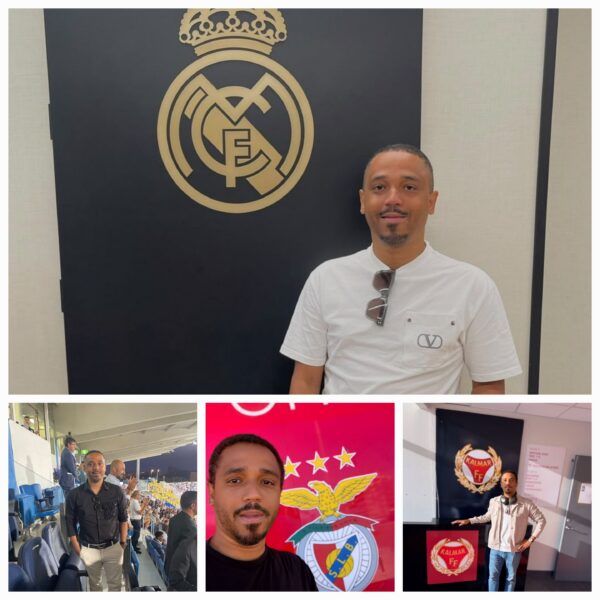
Over recent weeks, Woods has travelled between England, Portugal, Sweden and Denmark, combining meetings with senior football executives and sporting directors with the practical work of introducing emerging African talent to European clubs.
His activities have included accompanying players for trials at Benfica, facilitating opportunities with Olympique Lyonnais and presenting talent to Scandinavian clubs, alongside discussions with senior football figures in Spain, France, Belgium and Italy.
His professional network extends to leading European football institutions, including clubs such as FC Barcelona.
But beyond those relationships lies a more consequential question about how international football operates, and why Malawi has struggled to establish a stronger presence within it.
Throughout his international career, Woods has worked extensively with athletes from West and East Africa, connecting emerging talent with established professional football networks. Operations in which he has held senior responsibilities have supported pathways into professional football across Europe, North America and Asia, including major leagues in England, Spain, France, Germany, China and Scandinavia.
Their wider development networks have included footballers who subsequently represented their countries at the Africa Cup of Nations and the FIFA World Cup.
Yet comparable opportunities involving Malawian talent have proved considerably harder to establish.
Why some African markets are progressing
The difference, Woods suggests, is not necessarily the quality of individual footballers. It is the environment surrounding them.
International recruitment is a competitive business. European clubs require reliable player information, consistent development standards, competitive exposure and confidence in the institutions responsible for preparing young athletes for professional football.
Markets with credible academies, professional management and established recruitment relationships are better positioned to attract international attention and investment.
For Woods, working extensively with talent from West and East Africa has underlined the importance of those foundations.
“Having worked with talented footballers from across Africa, I have seen what becomes possible when you have the right development structures, investment and international relationships.
“Naturally, I want to see more Malawian players accessing those same opportunities. The challenge is understanding what is preventing us from achieving that consistently,” he said.
His European engagements have provided further opportunities to explore recruitment requirements, development models and longer-term institutional relationships.
The distinction between arranging an overseas trial and establishing a functioning international pathway is particularly important, he argues: a trial may create an opportunity for one footballer, while an established relationship between credible institutions can create opportunities over successive generations. That, he says, is where the commercial potential lies.
The challenge closer to home
Malawi’s difficulties in establishing a stronger international football presence are not new. In June 2024, The Nation reported a decline in the number of Malawian footballers playing professionally in Europe, highlighting concerns about development structures and international exposure.
The country has since pursued initiatives to strengthen youth development, including the Football Association’s Luwinga Inclusive Academy.
The question is how such initiatives can connect with international recruitment networks and attract sustained commercial investment.
Woods’ experience offers a perspective on that challenge. As a Malawian operating within international football, he has established professional relationships and worked with development models that have supported opportunities elsewhere on the continent.
His previous involvement in Malawi also demonstrates that international sporting relationships can deliver results beyond the pitch.
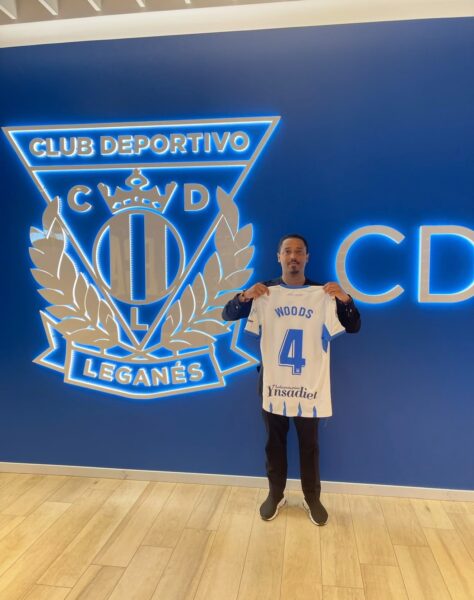
In 2023, Woods spearheaded the initiative that placed Malawi’s tourism brand on the shirts of Spanish professional club CD Leganés, connecting international football with the country’s wider commercial and promotional ambitions, an agreement publicly confirmed by the club.
But establishing a football development industry requires something different from delivering an individual commercial project. It demands sustained investment, credible local partners and institutions capable of meeting international professional standards.
Bringing international opportunities home
For Woods, contributing more extensively to Malawi remains an important ambition. His work with African athletes and international football institutions has demonstrated what established development networks can achieve.
The question is how Malawi might create an environment in which comparable relationships become commercially viable.
“Malawi is home. I have spent years building relationships and working internationally, and I would welcome the opportunity to see more of that experience benefit Malawian football.
But it has to be approached professionally. We need to understand the obstacles, identify credible partners and create an environment where serious investment and long-term relationships can succeed,” he said.
That, he suggests, would require collaboration between domestic football institutions, private investors and professionals with established international experience.
It would also mean looking beyond individual transfers towards organisations capable of identifying talent, preparing footballers for international competition and participating commercially in their progression.
For Woods, the contrast between his extensive work with athletes from other African markets and the more limited opportunities he has developed in Malawi remains a compelling reason to examine what needs to change.
His recent European engagements demonstrate the international networks available to experienced African football executives.
The unanswered question is what it will take for more Malawian footballers and domestic institutions to become part of them.