

Why Should Malawians Keep Trusting DoDMA? New Disaster Appeal Reopens Missing Accountability Questions Over Billions in Relief Funds
As the Department of Disaster Management Affairs (DoDMA) once again appeals for financial and logistical support to repatriate Malawians stranded in South Africa, a more uncomfortable question is refusing to fade: what happens to the money after it is donated?
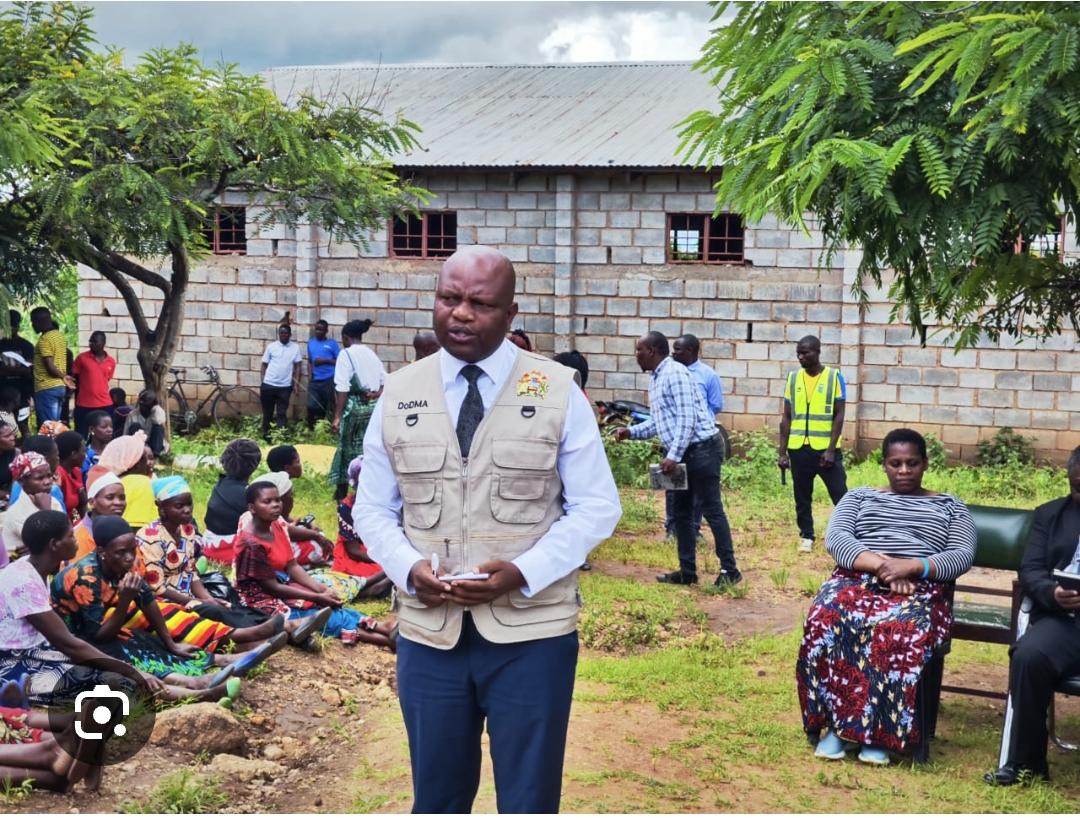
Over the years, millions—and in some cases billions of kwacha—have been mobilised from government, the private sector, and ordinary citizens during national disasters. Yet despite repeated public announcements of contributions, there is still no single, publicly accessible consolidated expenditure report showing how those funds were spent, line by line, from receipt to final disbursement.
This silence is now reshaping the public debate around disaster funding in Malawi.
MK1.8 billion mobilised—but where is the full account?
The latest appeal comes on the back of the lean season emergency response, during which government and private sector partners mobilised more than MK1.8 billion in cash and in-kind support.
Among the major contributors were NICO Group and NBS Bank (MK400 million), National Bank of Malawi (MK300 million), Airtel Malawi (MK300 million), First Capital Bank (MK210 million), and Petroleum Importers Limited (fuel valued at MK400 million), among others.
At the time, donations were widely publicised, with official ceremonies, press statements, and acknowledgements dominating headlines.
But beyond the announcements, one question remains unanswered: where is the audited expenditure report?
“We keep giving—but we don’t see the full picture”
For many contributors, especially in the banking and corporate sector, the concern is shifting from willingness to assist to confidence in the system managing the funds.
A senior banking official, speaking on condition of anonymity, said the issue has become a recurring concern among donors:
“The challenge is not whether we should help. The question is always how was the last support managed?”
That question cuts to the core of Malawi’s disaster funding system—where mobilisation is visible, but expenditure tracking is not.
A pattern repeated across multiple disasters
DoDMA has coordinated responses to several major national emergencies in recent years, including Cyclone Freddy, Cyclone Ana, COVID-19, and recurring floods and food insecurity crises.
Each disaster has triggered urgent fundraising appeals and rapid mobilisation of resources from government, development partners, the private sector, and the general public.
However, across these successive emergencies, no publicly available consolidated expenditure report has been released detailing how funds were spent in full.
Instead, expenditure reporting is often embedded within broader government financial systems, making it difficult to isolate disaster-specific spending.
Strong on mobilisation, weak on transparency
DoDMA continues to play a central coordination role in disaster response, including logistics, distribution, and fundraising appeals. Donation lists are regularly published, and public appeals are widely communicated.
But once funds enter government systems, tracking becomes fragmented.
This has created what critics describe as a “visibility gap”—where citizens and donors see what goes into the system, but not clearly what comes out.
A governance analyst summed up the concern more bluntly:
“Malawi has mastered the art of asking for help. The problem is accounting for it after the help arrives.”
Growing calls for a disaster fund accountability framework
The repeated cycle of appeals without corresponding detailed reporting has triggered renewed calls for reform.
Civil society actors and financial contributors are now pushing for a dedicated disaster fund reporting framework that would include:
- A single disaster-specific fund account per emergency
- Public, itemised expenditure reports
- Independent post-disaster audits
- Public disclosure of procurement and logistics contracts
Without such a system, critics argue, disaster funding risks operating on trust alone rather than verified accountability.
The question that keeps returning
Malawi’s disaster response system has demonstrated strong capacity to mobilise resources quickly when crisis hits. That capacity is not in dispute.
What remains in question is what happens after the crisis.
As another appeal is made for stranded citizens in South Africa, the broader concern is resurfacing with renewed urgency:
If Malawians and corporate donors continue to give in times of national emergency, who ensures that every kwacha is fully accounted for when the emergency passes?
Until that question is answered with clear, public, and independent reporting, each new appeal risks carrying the same burden: generosity on one side, and unanswered questions on the other.
Follow and Subscribe Nyasa TV :