As Malawi celebrates 62 years of independence, a powerful question hangs over the nation: Has political freedom truly delivered the economic liberation that millions of Malawians still long for?
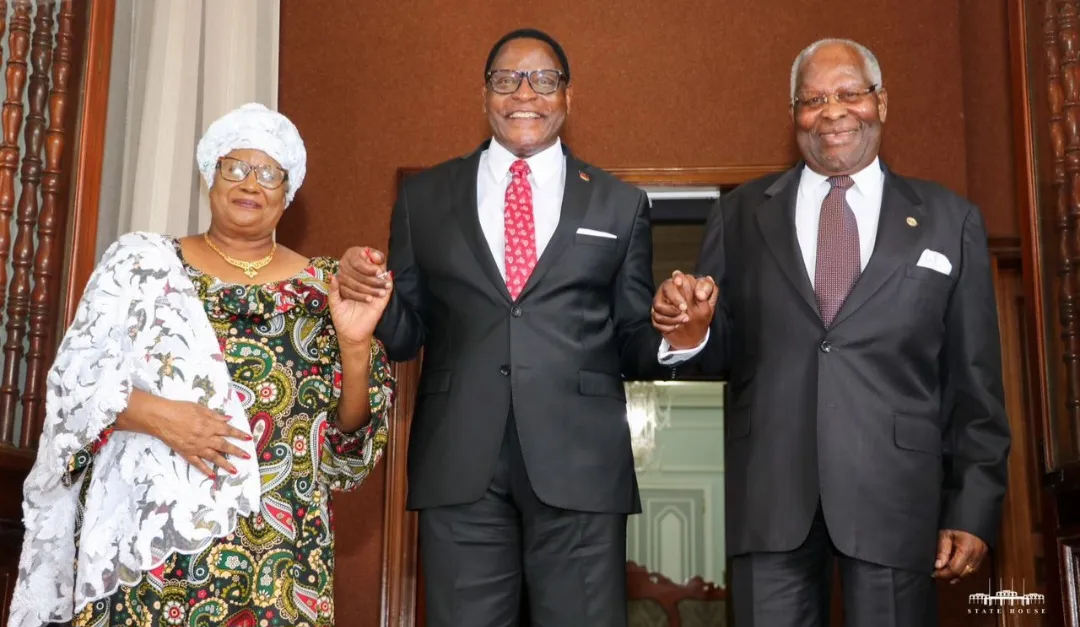
Presidents Banda, Chakwera Muluzi
While the country commemorates the historic events of July 6, 1964, three former Heads of State have delivered a strikingly similar message—Malawi’s greatest battle is no longer against colonial rule, but against poverty, unemployment and economic dependence.
In separate reflections shared on their social media handles, former Presidents Joyce Banda, Bakili Muluzi, and immediate past President Lazarus Chakwera agreed that although the country has made important strides since attaining independence, the promise of prosperity remains unfinished.
Their reflections paint a picture of a nation standing at a crossroads—politically sovereign but still wrestling with the realities of economic hardship.
Joyce Banda called on Malawians to fiercely protect peace and national unity, arguing that no meaningful development can take place in a divided country. She said social cohesion remains the bedrock upon which lasting prosperity must be built.
Bakili Muluzi shifted attention to the country’s growing youth population, arguing that Malawi cannot overcome unemployment without fundamentally changing the way it prepares young people for work. He urged greater investment in technical and vocational education, including expanding community and technical colleges so that young people acquire practical skills capable of creating businesses and jobs instead of waiting for employment opportunities.
For Lazarus Chakwera, the future lies in unlocking the potential of Malawi’s young people through education, innovation and skills development. He said empowering the next generation is central to achieving the aspirations outlined in the country’s long-term development blueprint, Malawi 2063.
Although each leader approached the anniversary from a different perspective, their messages converged on one unmistakable reality: political independence alone cannot satisfy the aspirations of a nation where many citizens continue to struggle with unemployment, rising living costs and limited economic opportunities.
Sixty-two years after the Union Jack was lowered and the Malawian flag first flew over an independent nation, the challenge confronting today’s generation is markedly different from that faced by the country’s founding fathers. The fight is no longer for the right to govern ourselves, but for the ability to build an economy that creates opportunity, rewards hard work and frees citizens from chronic dependence.
As fireworks, parades and patriotic songs mark Independence Day, the reflections of Malawi’s former presidents serve as a reminder that the country’s next defining victory may not be won through politics, but through economic transformation. For many, the true measure of independence will only be realised when every Malawian has not only the freedom to vote, but also the opportunity to thrive.