

Lilongwe leads Africa in fossil fuel ban push
In a groundbreaking move, Lilongwe has become the first African capital to endorse the Fossil Fuel Non-Proliferation Treaty, signaling a bold commitment to combat climate change.

Joining forces with Mzuzu, the two Malawian cities are stepping up as climate champions, advocating for a global shift from fossil fuels to renewable energy. As Malawi chairs the Least Developed Countries (LDCs) group, the cities’ endorsement is a powerful statement in the fight for a sustainable future.
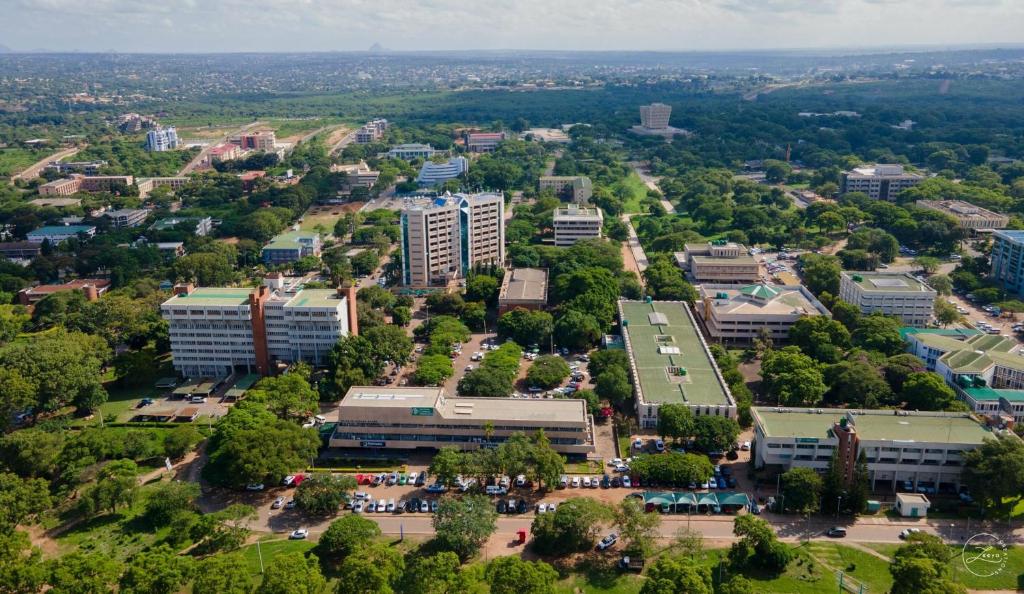
The endorsement by Lilongwe and Mzuzu, which together house over 1.2 million people, comes at a critical time as Malawi and other vulnerable nations bear the brunt of climate change, driven largely by fossil fuel consumption. As global leaders gather momentum for renewable energy, Malawi’s capital has signaled its commitment to climate action, aligning itself with a growing global movement to phase out fossil fuels.
“We are ready to do our part in making Lilongwe a fossil fuel-free zone,” said Mrs. Ruth Chingwalu, Deputy Mayor of Lilongwe City Council. “Our nation’s vulnerability to climate change, caused by fossil fuels, has had devastating effects on our communities. Urgent action at all levels and international cooperation are essential to ensure a safe and livable future for us all.”
Mzuzu’s Mayor, Kondani Nyasulu, echoed this sentiment, emphasizing the importance of tackling the root cause of climate change. “To bring the Malawi 2023 agenda target within sight and deliver the economic and social transformation required, City Councils must pursue a faster, deeper, and more ambitious approach to addressing climate change and greenhouse gas emissions. Mzuzu City Council would like to join others in phasing out coal, oil, gas extraction, and thin plastic production through the endorsement of the Fossil Fuel Non-Proliferation Treaty.”
Malawi’s climate vulnerability is underscored by the country’s history of natural disasters, including 19 major flooding events and seven droughts over the past five decades. These climate catastrophes have been exacerbated by the global expansion of fossil fuel extraction, responsible for nearly 90% of carbon emissions in the last decade. In Lilongwe, where 76% of residents live in informal settlements, the impact of climate change is particularly severe, with floods causing widespread displacement, destruction, and loss of life.
By endorsing the treaty, Lilongwe and Mzuzu are positioning themselves as climate leaders despite their minimal greenhouse gas emissions, which primarily come from the transport sector. Their actions send a strong message to other cities and countries, urging them to rally behind the Fossil Fuel Treaty Initiative. This proposed legal mechanism seeks to end the expansion of fossil fuels, enable a fair phase-out of fossil fuels, and facilitate finance and technology transfers for an equitable energy transition.
“There is far too much sun shining, wind blowing, and water flowing through our continent for us to continue deepening fossil fuel extraction,” said Seble Samuel, Head of Africa Campaigns & Advocacy for the Fossil Fuel Non-Proliferation Treaty Initiative. “Lilongwe and Mzuzu’s call for a Fossil Fuel Treaty should be echoed across Africa for a people-centered just transition to renewable energy, to achieve energy sovereignty and climate justice for our people and our continent.”
Environmental activists in Malawi have also lauded the cities’ endorsement of the treaty. “The environmental debt from fossil fuels needs to be settled now before Mother Nature declares us bankrupt,” said Steven Derreck Chisendenji, a prominent environmental activist. “We hope that endorsements of the treaty by the Mayors of Lilongwe and Mzuzu will prompt other cities and countries across the continent to follow suit and garner greater support for the treaty, for the sake of humanity and nature.”
The global call for a Fossil Fuel Non-Proliferation Treaty continues to gain momentum, with 13 nation-states, over 110 cities and subnational governments, 2,500 civil society organizations, over 3,000 scientists and academics, 101 Nobel Laureates, and at least 600 parliamentarians endorsing the proposal. As cities like Lilongwe and Mzuzu lead the charge, the push for a just and sustainable future grows stronger.
But which is which, because some quarters says by burning the so called fossils fuel would cause humanity depopulation where about 4 billion pple would loose their lives.
Bring the workable solution to the demand of energy first. Electricity is expensive and most people live below poverty line. Declare a free import duty on all renewable equipments and then u can talk about the baning of those items mentioned. Remember also that the colonial masters are pushing for this act but yet for them to develop they used same energy and are still using it. I can give an example of German who produce a lot of renewable energy but still use a large chunk of its power from fossil energy. Malawi has no capacity to handle this let alone excel in this project. It is a good idea and promising venture but am afraid its not possible. If the donor countries themselves are failing to reduce carbon emissions whom are responsible for the climate change 100%, how do you justify that third world countries should take the whip first.
As if they have resources to implement that. Cheap rhetoric meant to please the white-skinned masters who are the chief carbon emitters.
Kodi bwanji mmanomvera chilichonse cha mzungu. Focus on the necessary. Be sovereign for once. Mafuta ndi odhula kale magetsi ndi operewera kuli manyumba oti magetsi kulibe inu mukuti mukulesa mafuta. Peter was right that you are a clueless bunch. Kwanu nkupha, kuba nkuononga. Limodzi ndi m’busa wanu anapha Saulos
I as Afri Renewable energy company limited Chief executivr officer fully support the Lilongwe and Mzuzu cities for their endorsement.
Let’s be realistic sometimes. Climate change is largely affected by bombs and heavy industries in developed countries. I refuse the notion of marking Malawi as a poor country. What is the value of all the minerals and other natural resources Malawi has?
This is not good for Malawi. Copy paste wachabe
This is good news and great job our leaders.