

Activist Mfiti calls for ‘radical resistance’ to oil drilling in Lake Malawi
Environmental Activist Godfrey Mfiti who is trying to persuade Malawi goverment to shelve its plans for oil drilling in Lake Malawi has been consulting local people along the Lake.
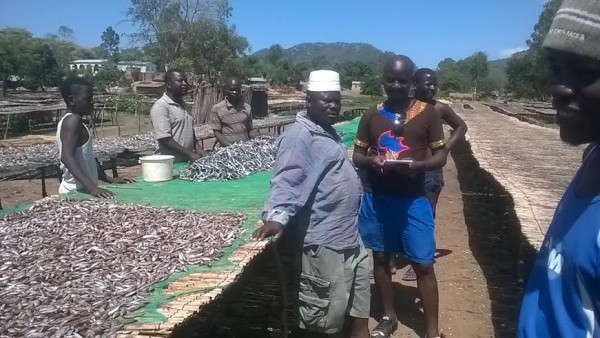
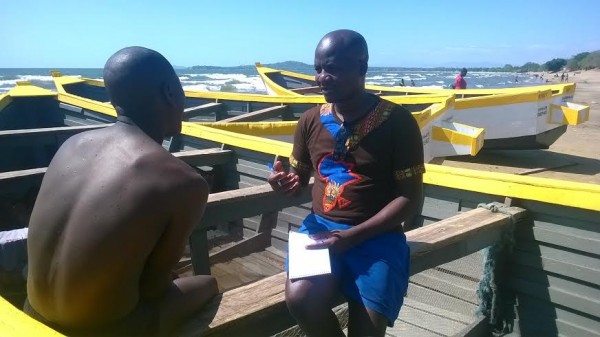

Over the end of last December the environmental activist has been meeting local business owners and residents along the Lake Malawi shores.
He has been seeking views on the level of knowledge on oil drilling among the local people who directly benefit from the Lake Malawi.
Mfiti who also heads a local NGO called Institute of Sustainable Development (ISD) is writing a book on the importance of Lake Malawi currently being edited.
In Nkhata-bay at the north of Lake Malawi the communities are not happy with the way government is handling the oil drilling prospects in Lake Malawi.
Local chiefs confided in the environmental activist that government has been secretive in handling this oil drilling process that will directly affect their lives.
“All we saw here at Kande beach in Nkhata-bay were airplanes flying over the lake a couple of months ago and there has been no consultations with locals. We just hear in the radio oil drilling in the lake is starting soon. We do not want oil drilling in our Lake”- Local Chief who sought anonymity confided in Mfiti.
The local chiefs are paid monthly stipends from government as such any views from local chiefs ostensibly opposite to those of government will lead to loss of this monthly income.
Gift Chirwa a local curios and artistic paint carvings artist and trader operating near Kande Beach in Nkhata-Bay bemoans lack of consultations on the part of government.
He expressed disappointment over the lowering standards of tourism on Lake Malawi and the decline in number of tourists over the recent years.
Chirwa emphasized that oil drilling prospects have produced negative publicity that is leading to low numbers of tourists coming to Lake Malawi.
He has been in tourism business for over 9 years along Lake Malawi.
Chirwa operates a business that directly depends on Lake Malawi’s fresh water as a tourism source.
Often tourists coming to visit Lake Malawi in order to see cichlids and enjoy swimming in the fresh waters of the Lake.
Main customers of his artistic paint carvings and curios are tourists to the Lake. He orders artistic paint carvings from young artists around the Fuka-Mapiri Villages in Nkhata-bay who earn a living through artistic designs.
Most of the artistic paint carvings are send to overseas markets though the export market is not regulated. There are many people thousands in numbers like Chirwa surviving and earning a living through artistic work.
For example only at 30 years of age this business man is a bread winner to a family of 9 dependents. All these people depend on the availability of a fresh water lake that attracts tourists. No tourist around the world locally or from overseas will want to visit a fresh water lake infested with oil spills. Tourism is one of the most sustainable economic development opportunities.
“The government of Malawi must consult local people and civic educate them on the importance of conserving the outstanding universal values of the Lake Malawi,” Mfiti said.
Malawi’s economy is so much dependent on informal business and employment. Most of the country’s population do not go for 8-5 routine work of formal employment registered by government.
“Our economy thrives on small scale businesses by local people. In the tourist attractive areas the tourism business remains at low standards. The curios and artistic paint carvings are not formally unionized. The business is not regulated. There are no structured shops in areas like Kande in Nkhata-bay. The country might be losing millions of forex since the export market for curios and artistic paint carvings is not regulated properly,” argued activist Mfiti.
Most of the lodges along the beach of Lake Malawi earn in come in foreign currency. The business owners are often people from other countries. These business owners often externalize the forex. Malawi is then losing a lot in forex and tax revenues.
The government of Malawi must develop the tourism industry and attract investment in the industry along the Lake shore by locals. The banks in Malawi must open up to investors in the tourism industry. In countries like Kenya tourism has thrived due to availability of capital investment opportunities to local people.
According to Mfiti, the idea of exploiting Lake Malawi for oil is economically not sustainable. Oil drilling has huge potential ecological, environmental and public health impacts. Malawi does not have safety nets for the local people in case of any accidents related to oil drilling processes.
Oil drilling plans without proper legislations, production sharing agreements, safety nets and no any successful track record of fresh water oil drilling Malawi as a country is at risk. It is advisable for Malawi government to acknowledge the importance of the United Nations Sustainable Development Goals. Over the whole world oil prices are crushing and the world is moving away from crude oil by promoting renewable energy.
“As we getting closer to the actual start of oil drilling in Lake Malawi a radical approach is needed to stop this process. Our local leaders must be well informed to resist oil drilling in Lake Malawi regardless of political divide. The issue of oil drilling in Lake Malawi is not religious, racial, political or sexist in any form it will negatively affect the ordinary Malawians. Oil drilling will lead to evictions of locals, loss of jobs, loss of tourism and civil conflicts.” said Mfiti.
Follow and Subscribe Nyasa TV :