

Advocacy platform backs plans for 13 separate parliamentary investigations
A leading advocacy group has backed a proposal by the Speaker of Parliament to set up independent committees to investigate 13 separate issues of national concern.
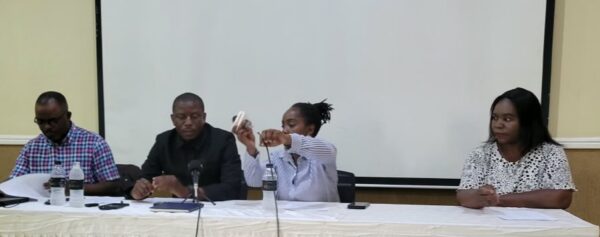
The National Advocacy Platform (NAP) said the issues raised by Speaker Sameer Suleman were not new and were supported by Malawi’s legal framework.
NAP chairperson Benedicto Kondowe, a lawyer, said parliamentary committees needed to become more effective in holding public institutions to account.
The 13 issues include fuel supply and procurement by the National Oil Company of Malawi (NOCMA), the use of local and foreign transporters, performance in the electricity sector, and civil servants’ pensions.
Also included are mining governance, fertiliser coupon distribution, prison conditions, passport services, and access to justice.
The list further covers the stalled Lilongwe-Salima-Lilongwe Water Project, a dispute over the Blantyre Water Board chief executive’s position, an alleged loss of K700 million in public funds, and corruption concerns in the mining and tobacco sectors.
In a statement issued on 2 September, NAP said it supported the Speaker’s move to strengthen parliamentary oversight of public service delivery and the management of public resources.
Mr Kondowe said parliamentary committees “must act as engines of change rather than mere forums for debate”, but stressed that any inquiries needed to be conducted fairly.
“Inquiries must be fair, transparent, and evidence-driven to avoid being perceived as witch hunts,” he said.
NAP also raised concerns about the constitutional limits of Parliament’s role. It said that while the Speaker holds presiding and procedural authority under Section 53(5) of the Constitution, corrective powers rest with the National Assembly under Sections 53(5) and 56.
“Institutional balance is key,” Mr Kondowe said. “Parliament should not substitute itself for bodies mandated to prosecute crimes or address maladministration.”
The platform called for closer cooperation between state institutions, saying any evidence of corruption or criminality uncovered by the committees should be referred to the Malawi Police Service, the Anti-Corruption Bureau, and the Office of the Ombudsman.
NAP described the initiative as “an affirmation of Parliament’s constitutional responsibility to hold public institutions accountable”.
Follow and Subscribe Nyasa TV :