

ANALYSIS | Does the Middle East War Impact Malawi?
A war thousands of kilometres away may seem distant to most Malawians. But the escalating conflict in the Middle East — increasingly drawing in global powers including the United States — has the potential to send economic shockwaves all the way to Malawi.
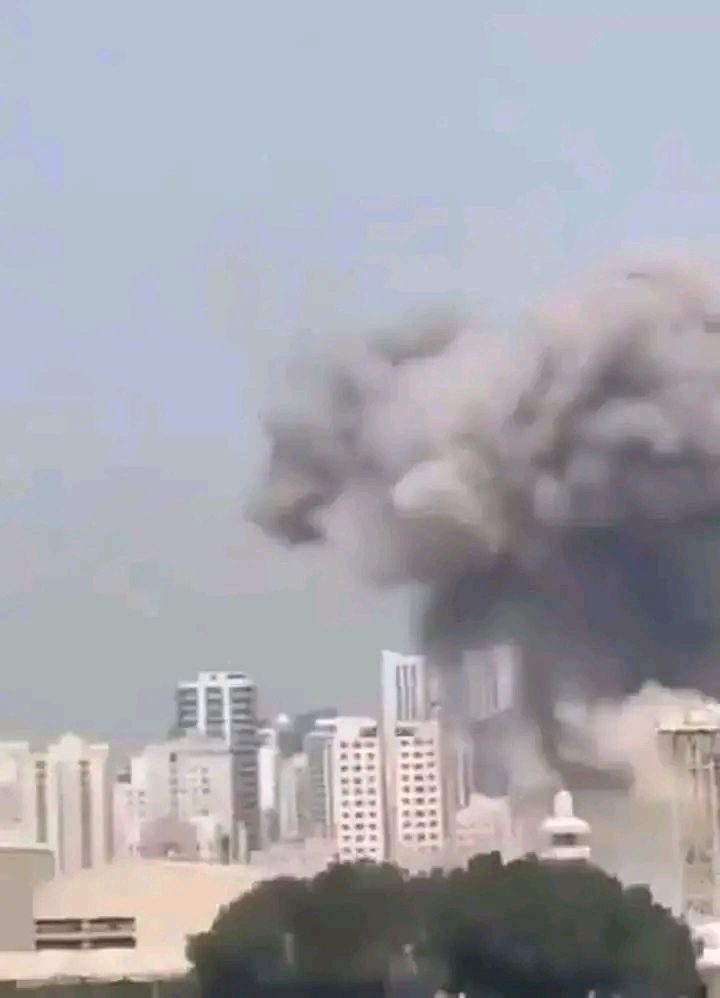
What began years ago as a regional confrontation has now evolved into a volatile international crisis, threatening global economic stability and placing pressure on fragile economies across the developing world.
Across the Middle East, lives have been lost, cities damaged and critical infrastructure destroyed. Strategic oil facilities have been targeted, raising fears of disruptions to the global energy supply. The conflict has also fractured alliances across the region, with multiple actors — armed with sophisticated military capabilities — now locked in a dangerous standoff that risks spiralling further.
For a small, landlocked economy like Malawi, the consequences of such geopolitical turmoil are not abstract. They are immediate, practical and potentially severe.
Recognising the growing risks, the Malawian government, through the Ministry of Foreign Affairs, has already issued an advisory urging Malawian citizens living in affected countries to remain vigilant and follow official updates as the situation unfolds.
Meanwhile, disruptions are already beginning to appear in the aviation sector. Malawi Airlines has warned that the conflict has forced airspace closures across parts of the Middle East, potentially disrupting connecting flights for passengers travelling through the region.
In a statement shared on its official platforms, the airline cautioned that onward connections may be affected and advised travellers to contact airlines or travel agencies for updates.
While this may appear to be a routine travel advisory, it reveals a deeper reality: Malawi is already feeling the ripple effects of the conflict.
The country’s greatest vulnerability lies in energy security.
Malawi does not produce oil. Instead, it relies entirely on imported petroleum products transported through regional ports. Much of the global oil supply originates from the Middle East, making any instability in the region a direct threat to fuel availability and pricing.
Reports that major oil facilities — particularly in Iran — have been targeted in military operations involving Israel, United Kingdom, and the United States have raised alarms in global energy markets.
When oil supply becomes uncertain, prices rise. And when prices rise globally, countries like Malawi feel the impact most painfully.
Higher fuel prices translate directly into higher transport costs, rising food prices and increased inflation. For an economy already struggling with foreign exchange shortages and high living costs, such shocks could deepen economic hardship for ordinary citizens.
The lesson for Malawi is clear: global conflicts can quickly become domestic economic crises.
To protect itself from these vulnerabilities, Malawi must begin rethinking its long-term energy strategy. One critical step is diversifying fuel supply sources. Strengthening trade relationships with oil-producing countries beyond the Middle East — including producers in West Africa and Latin America — could reduce dependence on a single volatile region.
Equally important is the expansion of strategic fuel reserves. Maintaining larger emergency fuel stocks would allow the country to cushion temporary disruptions in global supply chains and prevent immediate shortages that paralyse transport and commerce.
At the same time, the government must accelerate investment in alternative energy sources and promote responsible energy use. Encouraging fuel-efficient technologies, expanding public transport and promoting energy conservation can reduce pressure on imported fuel.
Regional cooperation will also be essential. Through organisations such as the Southern African Development Community, Malawi can work with neighbouring countries to coordinate responses to fuel shortages, stabilise supply chains and strengthen regional energy security.
The Middle East conflict may be unfolding far from Malawi’s borders. But in an interconnected global economy, distance offers little protection.
The real question is no longer whether the war will affect Malawi — it already is.
The more urgent question is whether Malawi is prepared for the economic storm that global conflicts can unleash.
Follow and Subscribe Nyasa TV :
I don’t think the war has any impacts on Malawi, this is so because we have had wars and the past regime used to say the same that wars of Ukrane and Russia can not disturb Malawi as a country, so I think it shouldn’t be this one only. Ask Wonder Msiska and the Brian Banda Team.
One said if your neighbor has no food, does it make sense that you can not search for your family? And the answer was simple direct. We are on a globe village if to say the truth, so Iran is not Malawi,Malawi has their own wells of Oil I guess, 2 minutes man!
If the Ukraine War impacted us what more the Middle East War…..