Malawi’s leading governance watchdog, the Centre for Democracy and Economic Development Initiatives (CDEDI), has launched a strong and unapologetic attack on the recent ruling by the Supreme Court of Appeal, warning that the decision to force government to pay billions to the defunct Finance Bank of Malawi will seriously harm ordinary citizens and could push the country deeper into economic crisis.
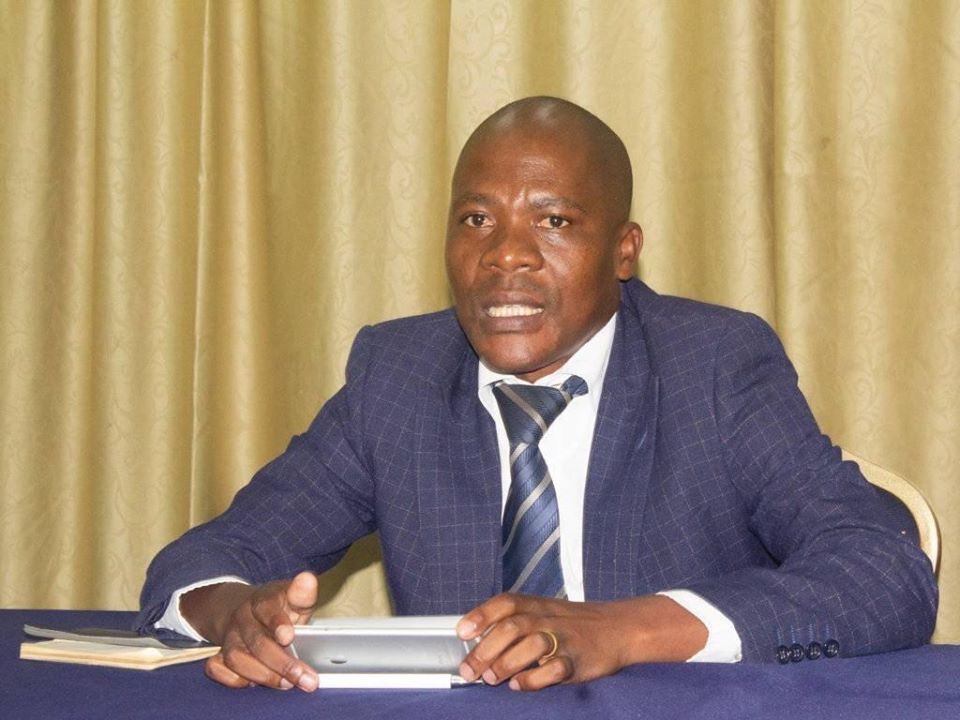
Namiwa:
In a statement issued in Lilongwe, CDEDI said Malawians must clearly understand what the ruling means for their daily lives. The organisation explained that although the national budget is around MK8 trillion, the Malawi Revenue Authority only collects about MK4 trillion in real taxes, meaning government survives mainly on borrowing. At the same time, public debt has grown from MK4 trillion in 2020 to about MK32 trillion today. According to CDEDI, adding a huge Finance Bank payout on top of this will place unbearable pressure on an already collapsing economy.
CDEDI warned that this payout will reduce money available for hospitals, schools, drugs, roads and salaries, while forcing government to increase taxes and borrowing. The organisation said the ruling benefits a few individuals but punishes millions of poor Malawians who are already struggling to survive.
The organisation accused the Supreme Court of ignoring Section 12 of the Constitution, which states that all legal and political authority comes from the people and must be used to protect public interest. Instead, CDEDI said the Court chose to protect private interests at the expense of the public.
CDEDI also rejected the idea that judicial independence means judges cannot be questioned. The group said judicial officers are also paid by taxpayers and must be held accountable when their decisions harm the nation.
One of the strongest criticisms from CDEDI is that the entire case was reportedly handled in just two hours by seven Supreme Court judges, including the Chief Justice, yet produced a ruling that will cost the country billions of kwacha. CDEDI described this as careless and unpatriotic.
The organisation has now challenged the Registrar of the High Court to stand with suffering Malawians and resist enforcing what it calls an immoral ruling.
CDEDI also warned the Reserve Bank of Malawi that paying the money will destroy its authority as a financial regulator and set a dangerous example for future bank failures.
The group raised serious concern over the 21-year delay in concluding the case, saying forcing Malawians to pay without questioning why judges sat on the matter for two decades is unfair and irresponsible. CDEDI said the judiciary should not benefit from its own inefficiency.
The organisation further questioned why judges retire at 70 while other civil servants retire at 60, saying this creates inequality and encourages a culture of entitlement in the justice system.
CDEDI even linked the ruling to what former president Arthur Peter Mutharika once described as a “judicial coup”, suggesting that courts may be serving elite or political interests rather than the people.
The group urged Malawians not to fear questioning court decisions and said citizens have a right to demand explanations when judgments harm national interests.
In its final remarks, CDEDI accused Malawi’s justice system of favouring the rich and politically connected while the poor suffer in overcrowded prisons. The organisation said corruption, delayed rulings and lack of accountability have turned justice into a privilege for the powerful.
CDEDI is now calling on Parliament and the Judicial Service Commission to publicly name judges who are sitting on hundreds of undecided cases, warning that justice delayed is justice denied.
In simple terms, CDEDI is saying the Finance Bank ruling does not serve justice, does not serve the economy, and does not serve the people of Malawi — it serves only a few at the expense of the nation.