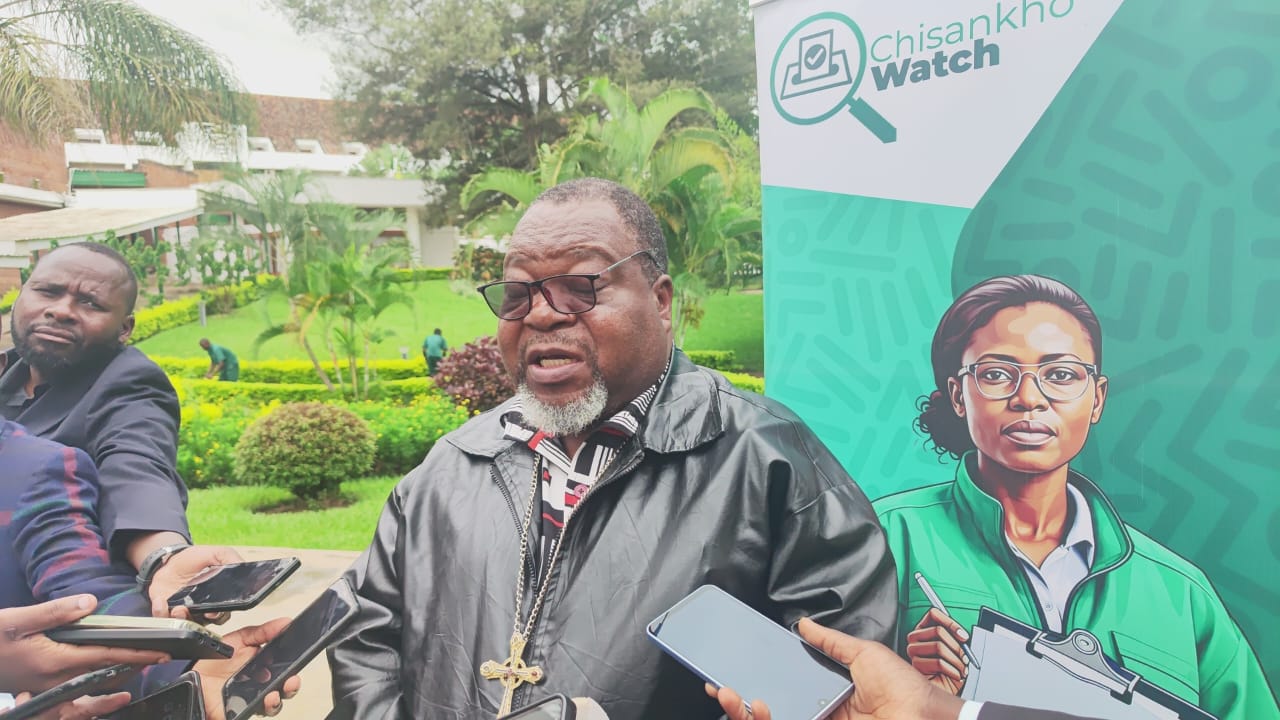
In a bold and uncompromising call for change, Chisankho Watch has urged electoral stakeholders to move beyond routine observation reports and push for drastic electoral reforms following the 2025 General Elections that saw President Professor Arthur Peter Mutharika emerge victorious.
Matonga
On Tuesday, the governance watchdog convened a high-level interface meeting with electoral observers who monitored the polls. The gathering was not ceremonial. It was deliberate. It was strategic. And it was urgent.
According to Chisankho Watch Chairperson Gilford Matonga, the meeting was designed to provide a multi-stakeholder platform for presenting and validating observation findings across the full electoral cycle — not just polling day.
“This is about consolidating findings from the 2025 General Elections and translating them into actionable electoral reform interventions,” Matonga said. “Malawi must move toward transformation. We cannot afford to treat elections as events. They are a process.”
Matonga stressed that too often, attention to electoral reform fades once ballots are counted and results declared. He argued that this reactive culture must end.
“Elections are a process, but most of the times we only start thinking about them when they are ahead of us. These workshops ensure that necessary recommendations and changes are implemented in good time. As Chisankho Watch, we are identifying gaps and making recommendations to stakeholders, including Parliament,” he said.
The workshop, he added, aims to consolidate electoral, legal and institutional reform recommendations through participatory dialogue, culminating in a stakeholder-endorsed post-election reform communiqué that can guide the country forward — and provide clear direction to the Malawi Electoral Commission.
The message from the meeting was clear: Malawi cannot continue recycling the same electoral weaknesses every five years.
Adding weight to the discussion, Executive Director of the Centre for Multiparty Democracy, Boniface Chibwana, raised alarm over the continued underrepresentation of women in top political positions, including the National Assembly.
“Representation of women into high positions remains very worrisome,” Chibwana lamented. “When we talk about gender and women participation in politics, there have been pushbacks. We must consolidate our findings and come up with concrete proposals before the next elections.”
His remarks highlighted a broader concern: electoral reform is not only about procedures and systems, but also about inclusion, fairness and representation.
Meanwhile, National Coordinator of the Catholic Commission for Justice and Peace (CCJP), Lewis Msiyadungu, underscored the urgency of reform.
“As a country, there are many electoral reforms that must be carried out before the forthcoming elections. This workshop will help us identify priority areas,” Msiyadungu said. “As stakeholders, we need to advocate for platforms that accommodate everyone into high positions.”
The tone of the meeting was not defensive. It was reflective. But it was also firm. Stakeholders acknowledged strengths in the 2025 electoral process, yet insisted that gaps — whether legal, institutional or representational — cannot be ignored.
Chisankho Watch’s position is clear: the credibility of future elections will not be secured by rhetoric, but by reform. And reform must begin now — not months before the next vote.
The question now is whether the political establishment will listen, or whether Malawi will once again approach the next election season scrambling to fix problems long identified but never fully resolved.