

Chithyola K29bn abuse-of-office case referred to Malawi’s High Court
Malawi’s former Finance Minister, Simplex Chithyola Banda, is facing intensified legal jeopardy after his abuse-of-office case was dramatically referred to the High Court, marking a significant escalation in a scandal that could see decisions made during his tenure at the top of government’s finances placed under the microscope.
The transfer followed an application by the Anti-Corruption Bureau (ACB), represented by acting Director General Gabriel Chembezi, before Chief Resident Magistrate Austin Banda, who has been overseeing the case.
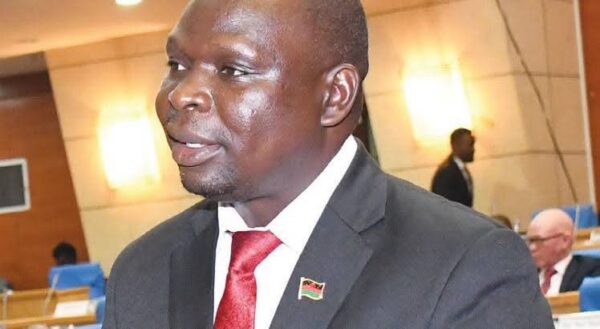
Chembezi confirmed to the court that Chithyola will report to the ACB on 30 August — a position that was formally accepted by the former minister’s lawyer, George Kadzipatike.
K29 BILLION in alleged misused funds at the heart of the case
At the centre of the scandal is an eye-watering allegation that Chithyola, during his time as Minister of Finance, authorised expenditure exceeding K29 billion — funds prosecutors allege were subsequently misused.
The move to transfer the case to the High Court represents a major turning point in proceedings involving one of Malawi’s most high-profile former Cabinet ministers, and signals that authorities are treating the matter with the seriousness its scale demands.
Spotlight falls on decisions behind the billions
The case now places intense scrutiny on the precise decisions that allegedly led to the release and use of the colossal sum, with investigators and prosecutors working to establish whether Chithyola overstepped his lawful authority or breached procedures governing the handling of public finances.
The development has also reignited pointed questions over how such a vast sum of public money came to be authorised in the first place, who ultimately benefited from the expenditure, and whether the safeguards meant to protect public funds were properly followed at every stage.
As is standard, Chithyola remains entitled to the presumption of innocence unless and until a court determines otherwise — though the transfer to the High Court signals the case is now entering a far more serious and consequential phase.
Follow and Subscribe Nyasa TV :