

Cisanet calls for measures to avert Malawi looming hunger in flood affected areas
The Civil Society Agriculture Network (CISANET) has urged stakeholders in the agriculture sector to plan ahead for the short to medium term measures that could help avert hunger in the flood plagued areas as people lost the means to produce.
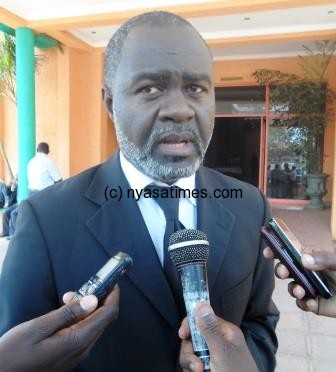
CISANET National Director Tamani Nkhono-Mvula in a statement released Friday said the floods also took a toll in people’s gardens at the critical stage in the agriculture production cycle raising fears of hunger in most of the affected households.
At least 170 people have been confirmed dead in flash floods while more than 100,000 are destitute- a sharp rise on previous figures.Heavy rain has swept many houses away and caused residents to flee to higher ground.
Said Nkhono-Mvula in a statement: “We would like therefore to call upon all Non-Governmental Organizations (NGOs), Farmer Organisations, private sector organisation and individuals that make up the Network [CISANET] to stand with Government in this time of need. We acknowledge the support that most NGOs have already started providing to the affected communities and also the international appeal for support that most NGOs have done.
“However, in as much as we understand that the immediate concern to us all at this moment is to save the lives that are in danger, by providing them with food, shelter and medicines but this must not completely take our focus away from planning ahead for the short to medium term measures that could help to avert the looming hunger crisis in the affected areas as people have lost the means to produce.
“CISANET acknowledges the heavy loss these floods may have caused to the agriculture sector taking into consideration the massive investment in fertiliser and seed done under the Farm Input Subsidy Program (FISP) especially in the affected areas in the Southern Region, which may have been washed away. The disaster that has befallen us should therefore be an opportunity for us to draw lessons on how we can rethink investment into the agriculture sector, on how we can effectively plan and allocate resources to different subsectors within agriculture and also come up with contingency measures to avert similar crisis in future,” said Nkhono-Mvula.
He suggested that the delayed onset of rains and the heavy downpours are an obvious sign of climate change affecting our agriculture.
“Time is now therefore that all our agricultural programming should mainstream climate change and make our agriculture climate smart,” he said.
Meanwhile, as a short term measure to avert hunger crisis, CISANET has suggest replanting of early maturing maize varieties that could also take advantage of the residual moisture to grow as water recedes.
“NGOs must start now to plan for this to support Government,” said Nkhono-Mvula.
CISANET has also urged agriculture stakeholders on advising of planting drought tolerant crops like cassava, sweet potatoes, millet and sorghum.
“We understand that these crops may not always do well in all the affected areas. We therefore call upon the extension service to advise the farmers accordingly.”
Another initiative CISANET has suggested include planting of rice in all water logged areas especially along the Lake Shore and Lower Shire Valley.
In the medium to long term, CISANET has suggested the following as some of the measures to be taken:
- There is an urgent need to rethink and reorganize the FISP to be climate smart
- There is an urgent need to reorganize and capacitate our research system to come up with resilient and climate change tolerant crop varieties.
- There is need to seriously diversifying our food basket. This may also need a change in social and cultural perception of other crops
- There is an urgent need to invest in rain water harvesting and irrigation.
- There is an urgent need to invest in small stock production.
In the meantime, CISANET has commended Government for quickly acknowledging the grave situation caused by the floods in a number of districts in the country and declare a national state of disaster.
Nkhono-Mvula explained that the declaration of national state disaster has not only raised the awareness about the crisis but also triggered the response from the donors and international community to come in and offer support.
CISANET has pledged its support to the Government efforts already being done to alleviate the suffering that most rural communities are going through as a result of the floods.
“CISANET hopes that as food will be distributed to the affected households, the people’s right to food will be respected in that food distribution will not be politicised and that the misfortunes of our brothers and sisters will not be an opportunity to make fortunes. CISANET stands in solidarity with Government in this time of crisis as we hold hands for the common good of our country,” concluded Nkhono-Mvula.
Follow and Subscribe Nyasa TV :