

Climate Change Driving Surge in Extreme Weather, Government Warns
The Department of Climate Change and Meteorological Services (DCCMS) has attributed the growing frequency and intensity of extreme weather events in Malawi to climate change, warning of escalating social and economic consequences across the country.
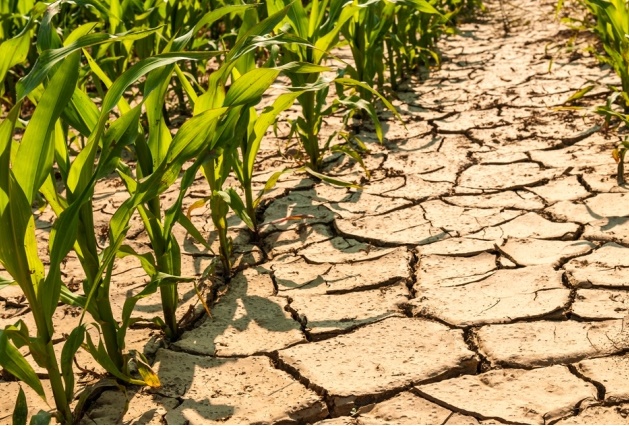
Presenting the 2025 State of Climate Report for Malawi, officials said shifting weather patterns are already undermining livelihoods, with an estimated 2.9 million people pushed into food insecurity during the 2024/2025 rainfall season due to prolonged dry spells. The crisis affected about 650,000 households across multiple districts, according to the Malawi Vulnerability Assessment Committee (MVAC) report.
The report paints a grim picture of a climate system under stress, linking extreme weather to widespread disruptions in key sectors, including agriculture, transport, energy, health, education, water resources, and disaster risk management, with cascading effects on the economy and public welfare.
It further notes that the onset of the 2025/2026 rainfall season has already shown unusual patterns, marked by abnormally high lightning activity, signalling increasing volatility in weather systems.
Director of Climate Change and Meteorological Services Lucy Mtilatila said the data confirms that climate change is directly affecting food production and national food security.
“It has been established that climate change has significantly affected food production,” she said, pointing to erratic rainfall and dry spells as major drivers of declining agricultural output.
Minister of Natural Resources and Climate Change Patricia Wiskes said the findings should serve as a national wake-up call, urging a shift in approach from reactive disaster response to proactive climate preparedness.
“As the country commemorates World Meteorological Day, we are being reminded of the need to move from reacting to climate-related disasters to becoming a nation that can predict and prepare for them,” she said.
Wiskes added that government is prioritising investment in weather forecasting and early warning systems to improve resilience, protect lives, and minimise damage to property and infrastructure.
The commemoration of World Meteorological Day, held under the theme “Observing Today, Protecting Tomorrow,” comes at a time when Malawi faces mounting climate risks, with experts warning that without stronger adaptation measures, extreme weather will continue to erode development gains and deepen vulnerability.
Follow and Subscribe Nyasa TV :