

Commentators call for legal enforcement of inquiry recommendations 14 years after Bingu’s death
Commentators yesterday issued a hard-hitting call for Malawi to adopt a legal framework that compels policymakers to implement recommendations from commissions of inquiry, warning that the country is trapped in a cycle of tragedy, inquiry and inaction.
Their remarks came as the nation marked 14 years since the death of former president Bingu wa Mutharika, who collapsed from cardiac arrest at the New State House in Lilongwe on April 5, 2012. He became Malawi’s first sitting Head of State to die in office, a घटना that shocked the nation and exposed deep cracks in governance, crisis management and institutional preparedness.
Following his death, the administration of former president Joyce Banda instituted a commission of inquiry, which produced a raft of recommendations aimed at strengthening healthcare systems and safeguarding national leadership. Yet, more than a decade later, progress in implementing those recommendations remains painfully slow.
Key proposals outlined in Chapter 7 of the report included the establishment of a presidential medical facility at the Malawi Defence Force headquarters in Lilongwe, creation of a fully equipped first aid unit at State House, amendments to the President (Salaries and Benefits) Act, deployment of a state-of-the-art ambulance within the presidential motorcade and mandatory first aid training for State House personnel.
The commission also called for the availability of essential drugs in intensive care units at major referral hospitals—Kamuzu, Queen Elizabeth, Mzuzu and Zomba—and recommended a broader review of the Republican Constitution.
Crucially, the report traced the roots of the constitutional crisis surrounding Mutharika’s death to the 2010 fallout between the president and then vice president Joyce Banda, which led to her expulsion from the ruling Democratic Progressive Party and her effective exclusion from executive functions, including Cabinet meetings. The commission warned that this breakdown in political relations was allowed to fester, creating a dangerous governance vacuum that shaped events at the time.
Health rights activist Maziko Matemba said the country has failed to follow through on critical reforms, citing the stalled plan to construct a specialised referral hospital in Zomba and the slow pace in reforming hospital governance systems.
“There were clear recommendations, but 14 years down the line, very little has moved. Government must explain whether it abandoned these priorities,” Matemba said.
On his part, People’s Federation for National Peace and Development Executive Director Edward Chaka stressed the urgent need for a fully equipped military hospital, arguing that such a facility is essential for both national security and the protection of sensitive information regarding the health of national leaders.
Meanwhile, Democratic Progressive Party secretary general Peter Mukhito used the anniversary to defend Mutharika’s legacy, describing his presidency as one defined by results-driven governance, economic reform, food security and infrastructure development, with the Farm Input Subsidy Programme standing out as a flagship achievement.
However, commentators warned that Malawi is repeating the same pattern of neglect, pointing to the 2024 Chikangawa plane crash that killed former vice president Saulos Chilima and eight others. Multiple commissions of inquiry produced recommendations on aviation safety, military procedures and disaster response, yet two years later, there is little evidence of meaningful implementation.
The aviation sector remains in crisis. A recent Civil Aviation Authority report revealed that Malawi currently has no certified airport due to deficiencies in infrastructure, systems, human resources, and safety standards—factors that continue to deter international airlines. During the Chikangawa disaster, the country also struggled with limited technical capacity to conduct search and rescue operations.
Governance commentator Chimwemwe Tsitsi said the failure to act on inquiry findings is a national risk, arguing that legal enforcement mechanisms are now necessary to ensure compliance.
“We cannot continue like this. Recommendations arising from national tragedies must be implemented. Without legal enforcement, we will keep repeating the same mistakes and mourning avoidable losses,” he said.
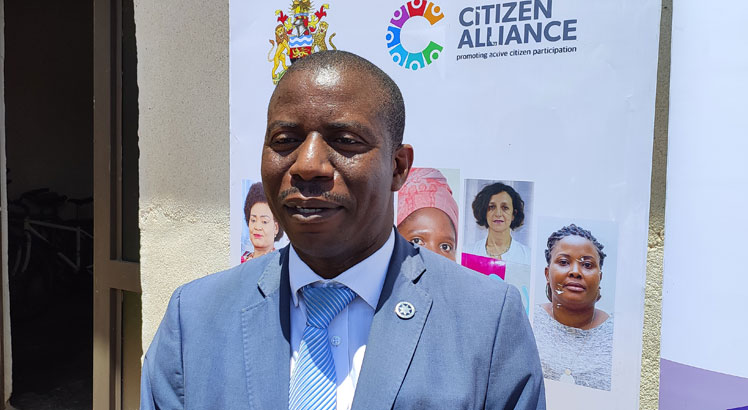
National Advocacy Platform chairperson Benedicto Kondowe echoed the concerns, describing the trend as a sign of deep institutional weakness.
“Malawi responds to crises with strong reports and clear recommendations, but fails at implementation. Fourteen years after Bingu’s death, this slow progress reflects a systemic failure to embed lessons into policy, budgets and practice,” Kondowe said.
He warned that recommendations are often treated as optional rather than binding, with momentum fading as public attention shifts, adding that the country must transition from reactive responses to institutionalised reform.
Parliament has since instituted yet another inquiry into the Chikangawa plane crash, to be chaired by legislator Walter Nyamilandu—raising fresh questions about whether Malawi will finally act, or once again produce a report that gathers dust.
Follow and Subscribe Nyasa TV :