

Diplomatic firestorm in Lilongwe: African MPs in furious bust‑up over xenophobia
A routine discussion on violence against foreign nationals has erupted into a diplomatic bust‑up at the Commonwealth Parliamentary Association (CPA) Africa Region Conference in Lilongwe — with African lawmakers turning on each other in a fiery showdown over how to describe xenophobic attacks.
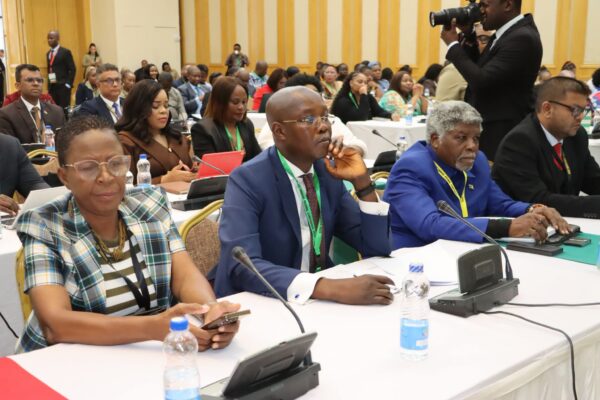
What should have been a calm session on democracy and cooperation blew up spectacularly when Nigerian delegates insisted the term “xenophobia” be used to describe assaults on foreigners.
South African lawmakers hit back, rejecting the label and arguing the debate should centre on illegal immigration and enforcement of immigration laws.
The clash — described by insiders as “tense”, “uncomfortable” and “deeply political” — has exposed sharp divisions among African parliaments over how to confront violence against migrants.
More than 300 delegates are attending the Lilongwe conference, but the xenophobia row has now overshadowed the event’s agenda on governance, human rights and regional cooperation.
South Africa, long grappling with tensions over undocumented migrants and periodic outbreaks of violence, has repeatedly condemned attacks on foreigners while insisting immigration must be regulated.
Nigerian lawmakers, however, warned that focusing on immigration status risks masking the reality that people are often targeted simply because they are foreign.
The confrontation laid bare a deeper fault line: when does immigration enforcement become discrimination — and when does condemning xenophobia risk ignoring legitimate concerns about unlawful migration?
For a forum that prides itself on promoting African unity, the dispute was a stark reminder of how fractured the continent’s politics can be when migration, identity and national pressure collide.
Instead of presenting a united front on protecting foreign nationals, the debate revealed competing national experiences, political sensitivities and a struggle even to agree on the basic language of the problem.
With the conference continuing until August 15, delegates now face a thorny question: how can Africa preach unity while Africans living outside their home countries remain vulnerable to hostility?
The Lilongwe showdown suggests that before African parliaments can agree on solutions, they must first agree on what exactly they are confronting.
Follow and Subscribe Nyasa TV :