

Emmanuel University drives push to close inclusive education gap in Malawi schools
Lilongwe-based Emmanuel University (EMUNI) has launched an initiative to equip primary school teachers with the skills needed to support learners with disabilities, aiming to help close a gap left by a shortage of specialist teachers across the country.
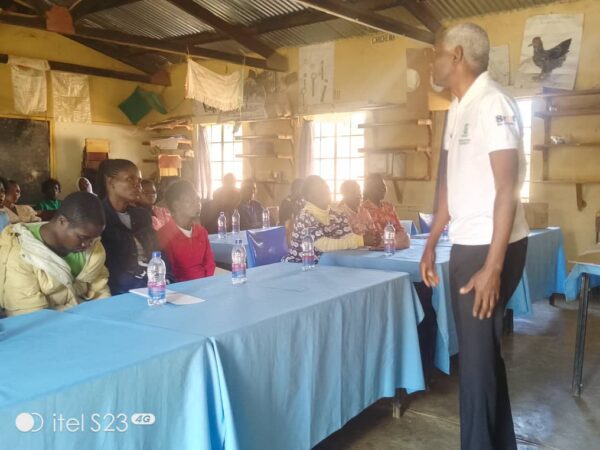
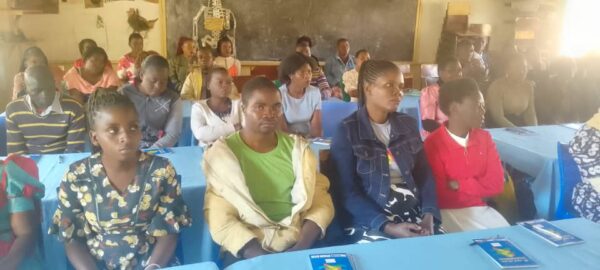
Under the project, teachers from 24 primary schools in Dedza and Lilongwe recently completed a two-day refresher course on inclusive and special needs education.
The training falls under the Women Empowerment and Special Needs Education (WESNED) Project, which is funded by German charity Bread for the World.
WESNED programme coordinator Jeffrey Maganga said the workshop brought together 24 junior section heads and 24 junior section teachers from the participating schools, with the aim of giving them a continuous refresher on inclusive education practices.
“The main objective of this training is to orient primary school teachers on inclusive and special needs education.
“It is important that a refresher course, a continuous professional development, at least be done to remind them,” Maganga said.
He said the training addresses an urgent problem: specialist teachers are spread too thin across Malawi’s public schools.
While such teachers are stationed in education zones, Maganga said their numbers fall far short of demand, leaving ordinary classroom teachers to identify and support learners with special needs in between visits.
“We want them to know how to identify learners, challenges that are faced by the learners, how to assist these learners with special needs education, and then how to identify those that require the attention of a specialist teacher,” he said.
Maganga acknowledged the scale of the shortfall, questioning how many specialist teachers exist relative to the number of schools and learners requiring support.
He said EMUNI, through its Faculty of Education, sees itself as a partner to government in closing that gap rather than leaving the responsibility to the state alone.
Teachers who took part described the training as transformative.
Maggie Dokowe, of Mlira Full Primary School in Lilongwe, said the programme would help bring all learners together without isolating those with physical challenges.
Anoce Macheso, a Standard 4 teacher at Selenge Full Primary School, said the training would help him identify learners with difficulties and encourage their continued attendance, noting that many such learners had previously stayed away from school.
He said teachers must now also lead sensitisation efforts in their communities to ensure children with disabilities are enrolled.
Dedza’s inclusive education coordinator, Aina Dangaya, said the workshop covered inclusive and special needs education, barriers to inclusion, and its benefits, adding that many teachers currently lack clear strategies for handling learners with disabilities.
She identified inadequate numbers of specialist teachers and negative attitudes towards learners with disabilities as ongoing challenges in Malawian schools.
With 48 teachers now trained, EMUNI says the next step is ensuring the skills are put into practice in classrooms, with teachers serving as the first line of support until specialist teachers become available.
The WESNED project’s broader goal is to promote girls’ education and support learners with special needs “in order to enable them to realize their full potential.”
Follow and Subscribe Nyasa TV :