The Electricity Supply Corporation of Malawi (Escom) has drawn a firm line in the sand, announcing a sweeping disconnection exercise set to begin on May 4, 2026, targeting postpaid customers who collectively owe a staggering K16 billion in unpaid electricity bills accumulated over just four months.
Pilirani Phiri
In a statement released yesterday, Escom said the crackdown will initially focus on customers in the Southern and Central regions, including government ministries, departments and agencies (MDAs), parastatals, commercial entities, and private households.
“This exercise is a critical component of our revenue mobilisation strategy, aimed at recovering an estimated K16 billion in accumulated arrears,” reads part of the statement. “These funds are essential for sustaining our operations and ensuring the continued delivery of reliable power supply across the country.”
The power utility did not mince words: the message is clear—electricity comes at a cost, and continued access depends on meeting that obligation.
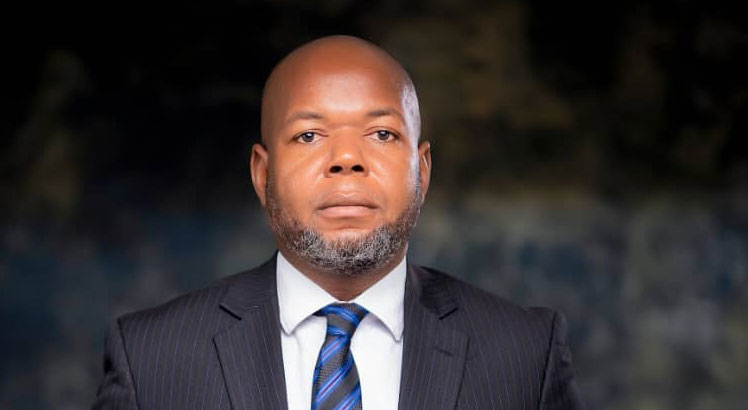
Escom spokesperson Pilirani Phiri confirmed in an interview that the Northern Region will be targeted in a subsequent phase. He explained that logistical constraints, including limited vehicles, made it impractical to roll out the exercise nationwide at once.
This is not the first time Escom has taken such drastic steps. In February this year, the corporation launched a similar campaign aimed at recovering K54 billion from the same categories of customers. Of that amount, MDAs accounted for about K11 billion, while the country’s five water boards topped the list with K26 billion in arrears. Private entities made up K17.5 billion of the debt.
The recurring nature of these debt recovery efforts raises deeper concerns about payment discipline, particularly among public institutions entrusted with national resources.
Consumers Association of Malawi executive director John Kapito acknowledged that while consumers must pay for what they use, Escom must also act decisively in reforming its billing systems. He urged the utility to accelerate the installation of prepaid meters, arguing that such systems could prevent the accumulation of unsustainable debts.
“Escom would do itself justice by installing prepaid billing meters and ensuring that those disconnected are given one,” Kapito said.
Adding his voice, Mzuzu-based social commentator Isaac Cheke-Ziba called for greater accountability among controlling officers in public institutions, warning against a culture of impunity.
“Electricity is not a luxury—it is a public good that underpins healthcare, water supply, education, and local governance,” he said. “Any enforcement action must therefore be guided by the principle of protecting citizens first, even as financial discipline is restored.”
As the disconnections loom, the stakes are high—not just for defaulters, but for a nation grappling with the delicate balance between enforcing financial responsibility and safeguarding essential services.