

Escom taken to task on 68% electricity tariff hike: Kapito warns of demo, blasts ‘State capture’
The quasi-monopoly power utility provider Electricity Supply Corporation of Malawi (Escom) proposal to increase its tariffs by 68 percent has come under heavy criticism as an insult and infringement of the consumers rights in the country.

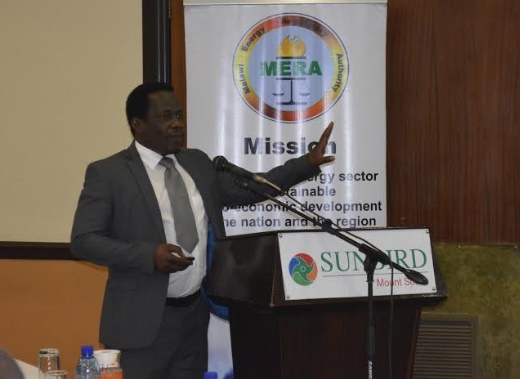
But during the public hearing organised by Malawi Energy Regulatory Authority (Mera) in Blantyre, the Malawi Confederation of Chambers of Commerce (MCCI) and Consumer Association of Malawi (Cama) argued that the utility firm lacks the moral justification to affect any increment.
Commentators also argue that hiking the tariff will be punishment to the law-abiding citizens to cover up for Escom’s inefficiencies.
Cam boss John Kapito said the increase could only be affected if the consumers were accorded with the new products or services on the market.
“Where is the electricity? Malawians are crying foul every day that they don’t have power. So do we want to raise the price of darkness? Kapito queried.
According to Kapito, his association recently conducted a country-wide consultation on the new base tariff increase whereby the results indicated that consumers were ready to pay the new base tariff if only the ESCOM improved its services.
“Honestly, we are in total disagreement with this proposal now until ESCOM improve its services. Why can they raise the tariffs when we have poor electric supply of the intermittent power outrages out there? We found this a mockery or an insult to the consumer rights,” said Kapito.
Kapito said his association was ready to mobilize people to go on the street to protest against the increase if the consumer concerns were not taken on board, saying the electricity tariff must be increased based on country needs and expectations,
The consumer rights activist called for serious reforms within Escom if stakeholders were to appreciate the real cost of power generation and distribution.
He noted reports of “rampant corruption, theft and State capture and poor management” at Escom, which he said were major sources of delivery failures crippling the utility’s operations “and therefore distorting the true cost of doing business.”
Kapito challenged Escom to provide “realistic achievable performance indicators that must be approved and monitored by the regulator and consumers”
He said:“We don’t want to kill the people at Escom quickly by fattening them with our money. A tariff hike will only promote theft at Escom.”
However, director of energy in the ministry of natural resources and environment of Malawi, Joseph Kawolekamo, defended the increase, saying it would go along the way in boosting the private sector investment and bring about sanity in the energy sector.
“Increasing tariff need to be well understood. It will boost private sector participation by bringing about competition. This will in turn bring down prices due to competition on the ground,” said Kalowekamo.
According to Kalowekamo, Malawi was one of the countries with the lowest electricity tariff; a development that he said could not attract foreign investment.
Escom chief executive officer Allexon Chiwaya disclosed that utility body plans to undertake investments, disclosing that it has signed an agreement with the Mozambique government to supply 50 megawatts, South African government to supply 150 mega watts and, Zambian government to supply 20 megawatts within the next four years.
Chiwaya said ESCOM would have to invest a total of K157 billion in tariffs in the next four years.
“We want to upgrade several existing transmission lines from wooden to steel towers to minimise downtime, substations to accommodate demand growth in water pumping and commission new transmission lines and substations to accommodate load growth,” he said.
Mera boss Collins Magalasi said the energy regulator would come up with its detailed analysis of the applications after a review process end of this month.
According to Magalasi, as a legal requirement under the energy regulator Act of 2004 section 30 and the electricity Act of 2004 section 16{5} and 17 that the authority approves a new base tariff adjustment formula, the authority is required to publish the proposed tariff revision and call for public hearings to allow for stakeholders participation on issues that affect them.
The base tariff is reviewed after every four years, and according to Mera, Escom was proposing a base tariff increase of 68% for the 2018-2022 bracket.
Follow and Subscribe Nyasa TV :