

FDH Bank’s paradox: profits up, stock down
A near-12% slide in FDH Bank’s share price has erased almost $100m from the paper wealth of Thom Mpinganjira, the bank’s founder and one of Malawi’s best-known financiers. His indirect stake, still worth some $760m, fell by MWK170.85bn ($98.41m) after the stock dropped 11.46% on the Malawi Stock Exchange.
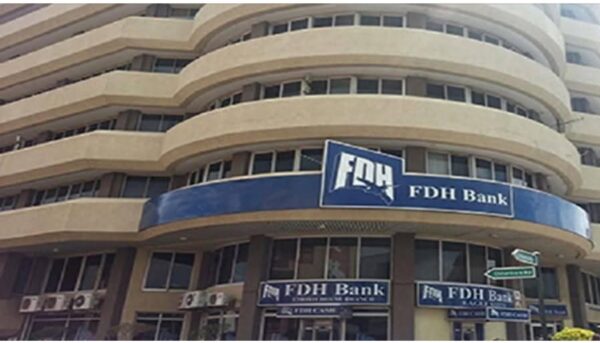
What makes the fall notable is not that it happened, but when.
FDH Bank’s half-year results, covering the six months to June 30th 2026, were hardly the sort that usually spook investors: post-tax profit rose by 43% to MWK86.42bn ($49.78m), while revenue climbed 55% to MWK221.43bn ($127.55m). By most conventional measures, this was a bank having a good year.
Herein lies the puzzle. Share prices are supposed to track, however imperfectly, the earnings power of the firms behind them.
When a company’s profits surge and its stock falls anyway, one of two things is usually true: either the market knows something the income statement does not, or the market is simply being a market—prone to profit-taking, thin trading and the sort of volatility that small, illiquid exchanges like Malawi’s are especially susceptible to.
Both explanations deserve scrutiny. Investors may be pricing in risks not yet visible in the results themselves—asset quality, currency exposure or regulatory changes, for instance.
Alternatively, a stock that had run up sharply beforehand may simply have been due a correction, with some shareholders cashing in gains regardless of the underlying fundamentals.
Either way, the episode is a reminder that on frontier exchanges, a good set of numbers is no guarantee of a good day for the share price—nor, for that matter, for the fortunes of the men who own large chunks of the company.
Follow and Subscribe Nyasa TV :