

Furious Wanderers bosses slap players and coaches with brutal pay cuts
Mighty Wanderers’ decision to dock a week’s worth of perks from players and technical staff following their 2-1 defeat to Blue Eagles sits in an interesting grey zone, one that says as much about the pressures facing Malawian football clubs as it does about the legality of the punishment itself.
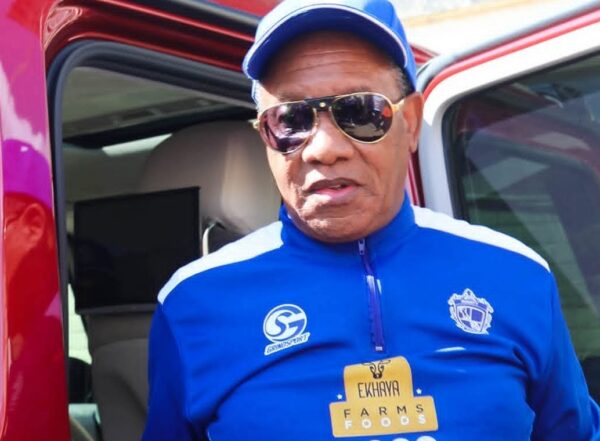
The defending FDH Bank Premiership champions have endured a wretched run of late: four consecutive losses across all competitions, including a chastening 7-1 aggregate exit to Tanzania’s Simba Sports Club in the CAF Champions League and defeat to Ekhaya Football Club in the Airtel Top 8 Cup final.
Against that backdrop, the loss to Blue Eagles, which effectively handed the Lilongwe side top spot at the halfway point of the season, appears to have been the moment club management decided something needed to visibly change.
According to sources, the response was a crisis meeting held immediately after the defeat, at which players and technical staff reportedly agreed to a week-long deduction of their perks.
Crucially, the club insists this was reached by consent rather than imposed unilaterally, and that any amounts withheld would be refunded if results improve in the second half of the season.
That framing matters, because FIFA’s regulations are explicit on this point: clubs cannot cut or withhold a professional player’s base salary purely on the grounds of poor performance. What clubs can legitimately do is adjust performance-related bonuses, which appears to be the distinction Wanderers are relying on by describing the deduction as affecting “perks” rather than salary proper, and by presenting it as a mutually agreed, temporary and refundable measure rather than a disciplinary pay cut.
Whether that framing survives scrutiny may depend on exactly what these “perks” constitute and whether players felt they had genuine freedom to refuse the arrangement in a meeting convened in the raw aftermath of a damaging defeat.
Collective agreement reached under the shadow of a dressing-room crisis is not always the same thing as agreement freely given, and clubs across the world have occasionally found that distinction tested when players or their representatives later object.
What makes the episode worth watching beyond its immediate footballing context is what it says about accountability structures in Malawian club football more broadly.
Docking pay, even performance-related pay, is a blunt instrument, and one more commonly associated with clubs under serious financial or results-based strain than with a reigning champion still sitting third in the league, a single point off second place, having lost only twice domestically all season.
The gap between Wanderers’ continued competitiveness in the league and the apparent severity of the internal response suggests the pressure driving this decision may have as much to do with cup performances and continental embarrassment as with league form itself.
Wanderers’ director of football, David Kanyenda, had not responded to questions on the matter by the time of publication, leaving the club’s own account of events, relayed through unnamed insiders, as the only version currently on record.
Given the regulatory sensitivity around salary deductions in professional football, a clearer, on-the-record explanation from the club of exactly what was agreed, and on what legal basis, would do more to settle the matter than any amount of anonymous sourcing.
Follow and Subscribe Nyasa TV :