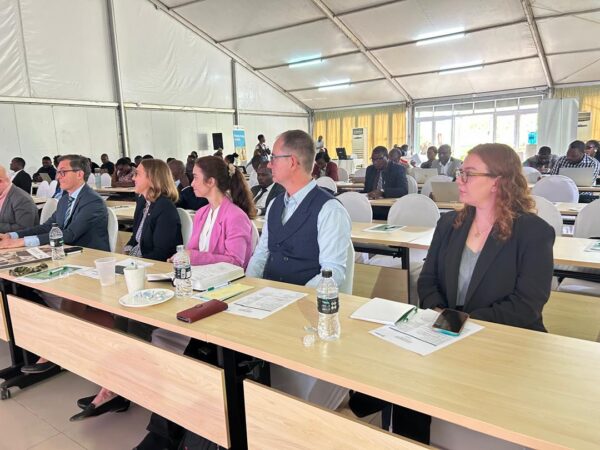
Germany urges Malawi to sustain momentum on productive energy use after PEW project closure
Germany has called on Malawi to maintain momentum and continue investing in productive uses of energy, as the country builds on progress achieved under the Putting Energy to Work (PEW) project.
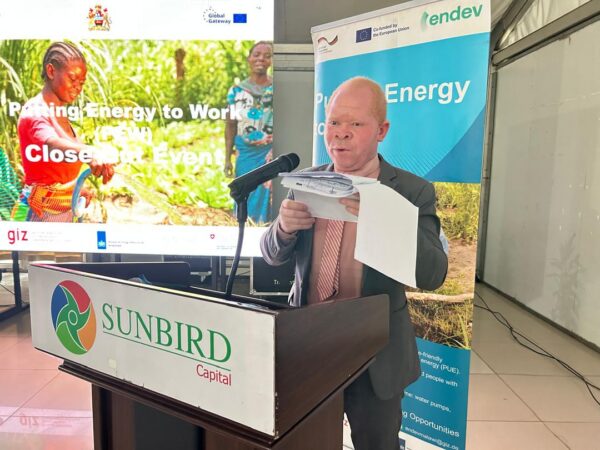
The call was made at the closing event of the PEW component of the Energizing Development initiative, held Thursday in the capital Lilongwe. The initiative was co-financed by the European Union and Germany and implemented by German development agency GIZ.
The project aimed to strengthen Malawi’s market for productive-use energy technologies and services, helping enterprises, farmers and cooperatives adopt energy solutions to improve productivity, create jobs and boost livelihoods.
Susanne Meltl, deputy head of German Cooperation, said the initiative had shown how access to green energy could drive economic growth when linked to productive activities.
“For German Development Cooperation in Malawi, access to energy matters when it helps farmers and small businesses become more productive, strengthen their livelihoods and create opportunities for others,” she said.
Meltl stressed the need to build on the project’s gains to ensure productive energy use continues supporting businesses and communities beyond the programme’s lifespan.
Malawi’s Ministry of Energy also praised the initiative, saying it had demonstrated the role of energy in supporting the country’s broader economic transformation agenda.
Thokozani Malunga, deputy director of research and development at the ministry, said productive use of energy was critical to enabling farmers, entrepreneurs and businesses to convert access to modern energy services into economic opportunities.
“The productive use of energy is critical to Malawi’s economic transformation agenda. By enabling farmers, entrepreneurs and businesses to use energy for productive activities, this initiative has contributed to increased incomes, improved productivity, and greater resilience,” Malunga said.
He added that lessons and partnerships developed under the project would continue to inform government efforts to expand access to modern energy services that support economic growth.
The PEW project worked across three areas: strengthening the supply of productive-use energy technologies, stimulating demand among potential users, and improving the enabling environment for market development.
Productive-use technologies include energy solutions that directly support economic activities such as irrigation, agro-processing and refrigeration, moving beyond energy access as an end in itself toward equipment that small businesses and farmers can use to boost output.