

Analysis: Malawi’s election body is under strain — and the timing could not be worse
The Malawi Electoral Commission (MEC) is facing mounting internal pressure over a contested relocation to Blantyre, alongside a string of other grievances that its own staff union says risk undermining confidence in the body just as it prepares for crucial by-elections and the 2030 general election.
At issue is President Peter Mutharika’s October 2025 executive order directing MEC, along with the Malawi Communications Regulatory Authority and the Malawi Housing Corporation, to relocate their headquarters from Lilongwe back to Blantyre.
The Malawi Prisons Service was separately ordered to return to Zomba. MEC initially moved to Lilongwe in June 2023 to bring the commission closer to the seat of government.
The union representing MEC staff has demanded a meeting with the full commission within seven days, citing a list of unresolved concerns: the relocation itself, uncertainty over the lease for Chisankho House in Lilongwe’s City Centre, the sealed Njewa warehouse, the arrest of senior officials, and what staff describe as strained relations between the commission and Capital Hill.
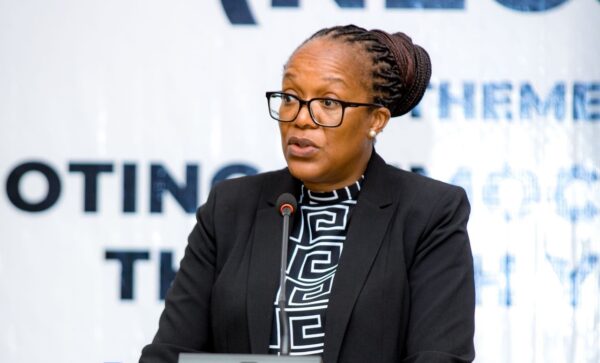
In a letter dated 21 September 2026, addressed to MEC chairperson Justice Annabel Mtalimanja and copied to all commissioners, the union said the chairperson’s 8 September response had failed to adequately address employees’ concerns or provide clear commitments on outstanding matters.
“Staff further noted the absence of clear commitments and practical measures to resolve the issues presented,” the letter reads.
For her part, Mtalimanja, a High Court judge, said in her 8 September response that MEC had sought clarification on whether the President’s directive amounted to unlawful interference with the commission’s constitutional independence. She said MEC would continue operating from Lilongwe until the matter is resolved by the courts.
The dispute is not confined to staff grievances. It also touches on the future of Chisankho House itself, where MEC remains despite the Ministry of Lands, Housing and Urban Development’s involvement in the relocation question — leaving the commission’s physical presence in Lilongwe, like its institutional footing, in a state of limbo.
MEC’s director of media and public relations, Sangwani Mwafulirwa, said matters raised by employees or their representatives would be handled through the appropriate institutional channels, calling for resolution through constructive dialogue, mutual respect and established processes.
But the unease extends beyond MEC’s own staff. Boniface Chibwana, executive director of the Institute for Multiparty Democracy, warned that the situation could affect public confidence in the commission as it prepares for forthcoming by-elections and the 2030 general election — a concern echoed by Civil Society Elections Integrity Platform chairperson Benedicto Kondowe, who said staff demands needed to be taken seriously before internal grievances begin to affect MEC’s constitutional mandate.
Gift Sambo, an expert in electoral and legislative politics at the University of Malawi, went further, calling for legal and institutional mechanisms to be put in place specifically to insulate MEC from what he described as unnecessary interference from political actors.
That framing gets to the heart of why this dispute matters beyond questions of office space and staff morale. An electoral commission’s credibility rests substantially on its perceived independence from the executive.
A relocation order issued by presidential directive, contested by the commission’s own chairperson on constitutional grounds, and now compounded by unresolved staff grievances, risks becoming a live illustration of exactly the kind of interference commentators like Sambo are warning against — regardless of the government’s stated rationale for the move.
Whether the courts ultimately side with MEC’s reading of its constitutional independence, or with the executive’s authority to direct the location of public institutions, the practical cost is already being felt inside the commission: unresolved leases, sealed warehouses, arrested officials and a workforce that says it has not been given clear answers.
With by-elections looming and the 2030 general election on the horizon, Malawi’s electoral body can ill afford to spend the intervening years distracted by a fight over its own address.
Follow and Subscribe Nyasa TV :