

Lead actress draws on own childhood for Malawian film tackling child betrothal
A Malawian film exploring child betrothal has sparked conversation among young people in Lilongwe about children’s rights, education and the freedom to shape their own futures.
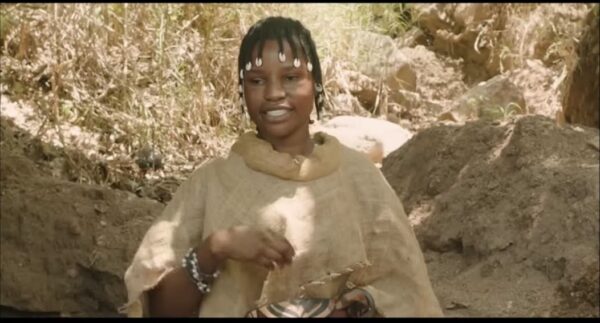
Chitomero, released on YouTube, tells the story of a young girl affected by the traditional practice, with its creators saying it was made to encourage dialogue around harmful practices that affect children.
The film was directed by Romeo Trywell Mdachi, while lead actress Teresa, who plays the central character Malita, said the story drew on her own experience growing up.
“Because it is based on a true story, it’s something that happened to me when I was young back in our village. Thus, I came up with the story of Chitomero, and then Tumpe summarised it,” she said.
Mdachi said the film was intended to prompt communities to reflect on practices affecting children’s welfare.
“Although Malawi has made progress in protecting children’s rights, some harmful traditional practices still exist in certain communities.
“Chitomero is not just about child betrothal; it is about the right of every child to dream, choose their own future, and live with dignity. As filmmakers, we have a responsibility to use storytelling to educate and inspire positive social change,” he said.
The film has drawn a notable response from young viewers in Lilongwe.
Teresa said several people had approached her since its release asking whether a sequel was planned.
“A few people have stopped me, asking for Part 2 so they can know how the story ended, and I hope young girls see that they have the right to choose the future that they themselves want to have,” she said.
Mdachi said producing the film required care in balancing an authentic portrayal of the issue with sensitivity towards those who had lived through similar experiences.
“One of our biggest challenges was balancing authenticity with sensitivity. We wanted audiences to feel the emotional weight without exploiting the pain of the characters,” he said.
He said he believed film had a role to play in shifting attitudes on difficult social issues, even incrementally.
“A film may not change society overnight, but it can start conversations that lead to change, and if one family reconsiders a harmful practice because of Chitomero, then the film has made a meaningful impact,” he said.
Follow and Subscribe Nyasa TV :