

Malawi govt calls for education stakeholders to support ECD program
The Ministry of Gender, Children, Disability and Social Welfare says it working towards ensuring that all children access quality early childhood education, and has urged stakeholders to join government in the quest.
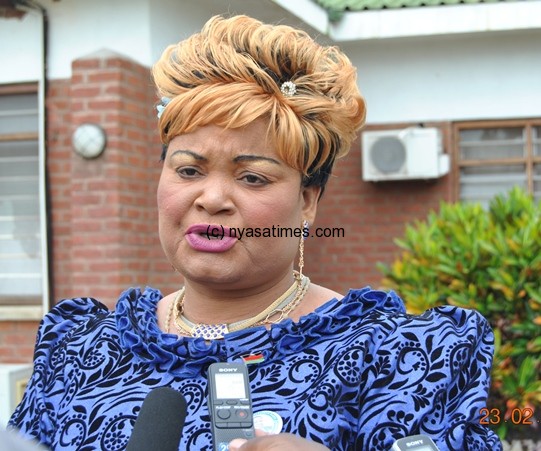
The Ministry is currently training 58 people in Liwonde, Machinga to become trainers of care givers in Early Childhood Development (ECD), 174 others have already been trained.
And responsible minister, Patricia Kaliati has called on Faith Based Organisations and other stakeholders looking at the welfare of children to support government by invest in the ECD program.
Kaliati made the call in Liwonde on Monday when she opened a three weeks training on ECD for Catholic Sisters, Ministry of Education officials and officials in her ministry.
She said ECD was crucial as it formed the basis for children development, protection and participation.
The Catholic Sisters are from four congregations namely Sisters of Holy Rosary in Mzuzu and Karonga Dioceses, Sisters of Servants of Blessed Virgin Mary from Blantyre, Mangochi, Dedza Zomba and Chikwawa Dioceses, Sacramentine Sisters from Dedza and Mangochi Dioceses.
The Catholic church is implementing a project called Score Early Childhood Development which aims at providing early childhood education to far to reach areas in all its dioceses in the country, according to project coordinator Sister Rebecca Mathole.
Apart from Malawi, Sister Mathole added that Score ECD was being implemented in Zambia and Kenya where catholic sisters are working with vulnerable children in hospitals and ECD centers to provide medical and children education.
In Malawi, ECD aims at protecting the rights and well being of the whole child by addressing the range of his or her needs before and from birth to Eight-8 years through a holistic approach to early child development.
This includes good health care and nutrition for children and mothers, safe water and proper sanitation. It also includes psychosocial care and attention to early learning, protection from violence, exploitation and discrimination as well as participation.
Interventions in all these areas work synergistically to support children and their primary caregivers to enhance effective and quality care.
Follow and Subscribe Nyasa TV :