

Malawi MPs’ persistent late-coming draws fresh rebuke from deputy speaker
Deliberations in Malawi’s National Assembly began on a subdued note on Wednesday, with First Deputy Speaker Victor Musowa expressing concern over the late arrival of parliamentarians after only 78 of the chamber’s 222 members had registered by the scheduled 9:30am start time.
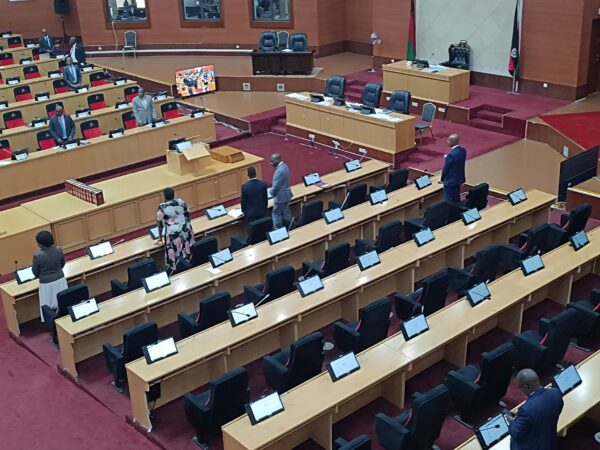
Musowa said the low turnout — representing barely a third of the House — reflected a persistent pattern of tardiness among MPs that he argued undermines the efficient functioning of Parliament.
He rejected the suggestion that distance posed a legitimate excuse, noting that the 9:30am start had been set with sufficient allowance for members travelling from constituencies across the country.
His remarks add to a recurring institutional frustration voiced periodically by Speakers and Deputy Speakers in Malawi’s Parliament, where sparsely attended morning sessions have on occasion delayed the formal commencement of business or forced presiding officers to proceed without the full complement of members present.
The issue touches on a broader question of parliamentary accountability: MPs are paid a sitting allowance funded by taxpayers, and persistent absenteeism at the start of sessions has periodically drawn public criticism, particularly given the cost implications of extended sitting days and the disruption caused to legislative scheduling when quorum is delayed.
Malawi’s standing orders require a minimum quorum for the House to transact certain categories of business, meaning that low attendance at the start of a sitting day can, in some circumstances, affect what business can proceed and when.
While 78 members would ordinarily be sufficient to meet basic quorum requirements for many procedural matters, the scale of the shortfall against the full membership of 222 has nonetheless prompted renewed scrutiny of MPs’ attendance habits, an issue that has surfaced intermittently in previous parliamentary sessions without any lasting change in behaviour.
Musowa’s comments are likely to reignite calls from civil society organisations and governance watchdogs, who have in the past urged Parliament’s leadership to consider stricter sanctions for persistent late-coming, including potential deductions from sitting allowances for members who fail to register within a reasonable window of the official start time.
Whether such measures gain traction this time, or whether Wednesday’s rebuke proves as fleeting as similar warnings before it, remains to be seen.
Follow and Subscribe Nyasa TV :