
Malawi needs K555 bn a year to fix water crisis that’s ‘violated the dignity’ of women and girls
Malawi requires a staggering K555 billion (US$320 million) every year to deliver on its ambitious water, sanitation and hygiene (WASH) targets, the country’s Minister of Agriculture, Irrigation and Water Development has revealed, as she issued a stark warning over the toll the crisis is taking on women and girls.

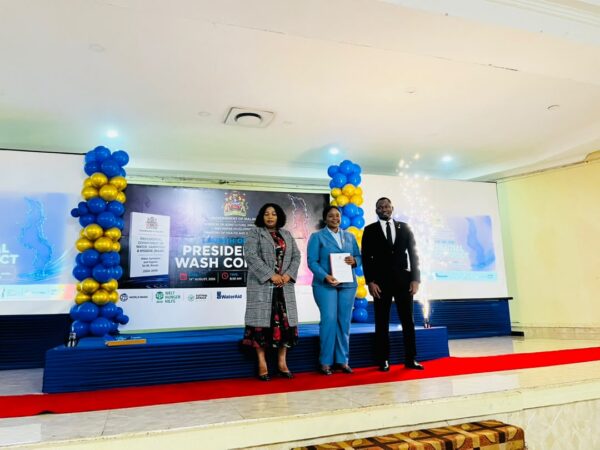
Minister Mbilizi made the eye-watering funding disclosure during the launch of the Presidential WASH Compact, held on Friday in Lilongwe, as officials unveiled the government’s roadmap for tackling the country’s persistent water and sanitation woes.
While acknowledging progress made in recent years, Mbilizi was candid in admitting that far more work remains, particularly when it comes to expanding access to sanitation and clean water services across the country.
In a powerful and emotive appeal, the minister did not mince her words when describing the human cost of Malawi’s water crisis. “Inadequate sources of water and sanitation services have affected the dignity of girls and women. Their rights have been violated,” she declared.
Mbilizi went on to identify the key obstacles standing in the way of progress, pointing to a persistent funding gap, poor collaboration among stakeholders, and increasingly frequent climate shocks as the main culprits undermining WASH service delivery nationwide.
Despite the bleak funding picture, the minister struck a note of optimism, pledging the government’s commitment to scaling up access to WASH services and vowing to boost the sector’s share of the national budget from just one percent to five percent.
UNICEF Representative Penelope Campbell praised the government for developing the WASH agenda, but issued a pointed challenge to authorities over how success should ultimately be measured. “This compact should be judged by services that work not meetings held or papers produced,” she said bluntly.
Campbell nonetheless offered reassurance of continued international backing, pledging that development partners would align their programmes, technical expertise and financial support behind the newly launched agenda.
Safari Mbewe, Executive Director of the Water and Environmental Network (Wesnet), also welcomed the compact, expressing confidence that it would help Malawi meet its long-standing WASH targets.
“We are very committed to mobilize the necessary resources and all the capacity that will be required to ensure effective deliverance,” Mbewe said, signalling strong civil society backing for the initiative as it moves from launch to implementation.