

Malawian Woman Evacuated From Xenophobic Violence in South Africa Dies on Journey Home
A Malawian woman who had survived xenophobic violence in South Africa and was being evacuated back home has died suddenly while travelling through Zimbabwe, turning what should have been a journey of relief into a tragic end far from home.
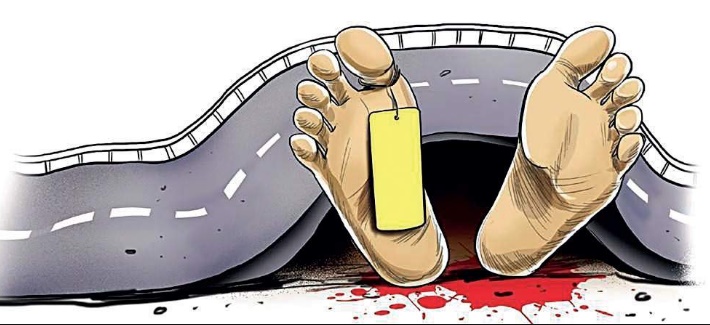
The woman was among Malawians recently evacuated from South Africa following rising xenophobic attacks that forced thousands to seek urgent repatriation assistance. She had boarded a bus arranged to bring stranded citizens back to Malawi when she reportedly fell seriously ill during transit.
Commissioner for the Department of Disaster Management Affairs (DODMA), Wilson Moleni, confirmed the death, saying the woman’s condition deteriorated while the bus was passing through Zimbabwe. She died before reaching Malawi, and arrangements are now underway to repatriate her body to her family.
The news has deepened concern over the humanitarian crisis unfolding among Malawians fleeing South Africa, many of whom are arriving home exhausted, traumatised, and in poor health after difficult journeys.
Moleni revealed that the cost of repatriation is extremely high, with between K50 million and K60 million spent per bus transporting Malawians affected by xenophobic violence back to the country.
He warned that the situation in South Africa is worsening by the day, with more than 15,000 Malawians in need of urgent evacuation, registration, and identification.
“The situation in camps in South Africa is bad. Children, the elderly, women and men are going there without food, proper clothes. Some pregnant women are giving birth while in camps or in transit, and some Malawians are arriving in the country very sick,” Moleni said.
His remarks paint a disturbing picture of overcrowded and under-resourced holding areas where vulnerable migrants are struggling to survive amid uncertainty and fear.
Moleni said the government and partners are working around the clock to scale up evacuation efforts, but stressed that the challenge is overwhelming without additional support.
He appealed for more assistance from well-wishers, including those willing to hire buses directly to support repatriation operations, as well as donations of food, clothing and other essential supplies for returning citizens.
As Malawi continues to receive hundreds of distressed returnees, the death of the woman in transit has become a painful symbol of the human cost of displacement—an already fragile journey home ending in sudden loss on foreign soil.
Follow and Subscribe Nyasa TV :