

Malawians Demand Transparency and Accountability in Mining Sector
Malawians are increasingly demanding greater transparency and accountability in the mining sector, arguing that most mining activities take place without public knowledge or proper community involvement.
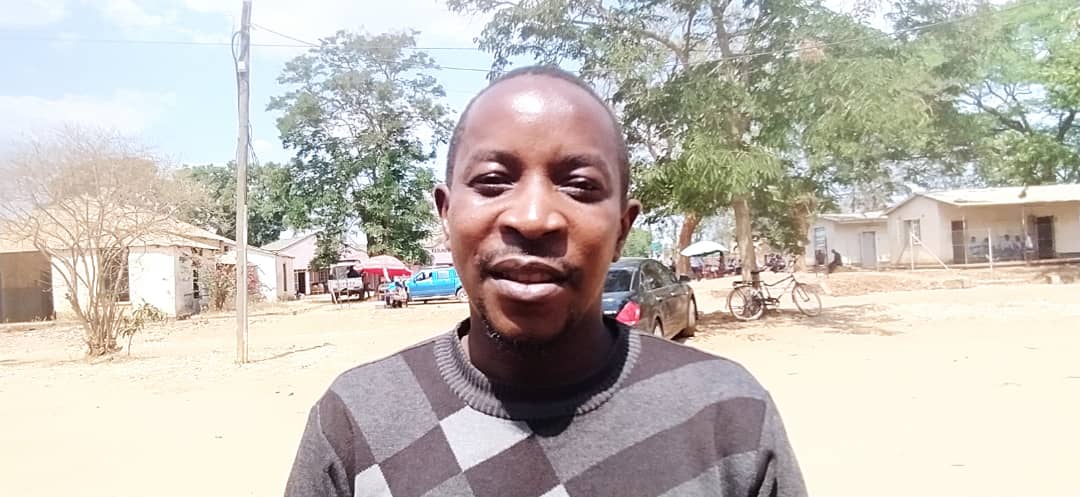
On 14 October 2025, the Natural Resources Justice Network (NRJN) held a meeting at Kasungu District Council, bringing together civil society organisations, traditional leaders, and community representatives to discuss mining governance and its impact on local communities.
NRJN National Coordinator Kennedy Rashid said most citizens are not adequately informed about mining projects, even as the number of licences and operations continues to grow.
“NRJN will work with stakeholders to ensure communities understand their rights under the Mines and Minerals Act (2023) and take an active role in monitoring mining operations,” he said.
Chairperson for Civil Society Organisations in Kasungu, Blackstone Banda, expressed concern that while some investors are granted licences, others operate without proper oversight or engagement with civil society. He added that communities remain largely unaware of the legal framework guiding mining, making it difficult for them to demand benefits or hold companies accountable.
Traditional Authority Chitantha Mapiri also noted that mining in the district began without adequate sensitisation, leaving communities confused about the industry’s potential benefits.
According to the Malawi Extractive Industries Transparency Initiative (MWEITI) and the Ministry of Mining, the sector contributes about one percent to the national GDP, with key minerals including coal, limestone, rare earth elements, and gemstones. However, transparency remains limited as many contracts and licences are not publicly disclosed despite the government’s commitment to the Open Government Partnership.
The Mines and Minerals Act of 2023 introduced Community Development Agreements (CDAs), which require companies to negotiate directly with host communities on benefit-sharing. But civil society reports say implementation has been slow, and many citizens remain unaware of their rights.
Recent MWEITI reports (2022–2024) have revealed inconsistencies in production and royalty data, raising questions about revenue accountability. A 2024 World Bank and Delve study further showed that artisanal and small-scale mining remains largely informal and unregulated, even though it supports thousands of Malawians.
Stakeholders are calling on the Ministry of Mining to publish all licences and contracts, formalise artisanal mining, enforce environmental laws, and strengthen community participation in monitoring revenue use at the district level.
Although Malawi has made strides in building a legal framework for transparency, enforcement remains weak. The Kasungu meeting sent a clear message — citizens want a mining sector that is open, fair, and truly beneficial to the people.
As NRJN and its partners continue pushing for reform, the big question remains: can Malawi’s mining sector genuinely drive sustainable economic development for all its citizens?
Follow and Subscribe Nyasa TV :