

Malawi’s Education Crisis Deepens as Thousands Remain Out of School
Malawi is staring at a growing education crisis as rising poverty, weak funding, and the lingering effects of Covid-19 continue pushing thousands of children out of school, threatening the country’s future workforce and deepening social inequality.
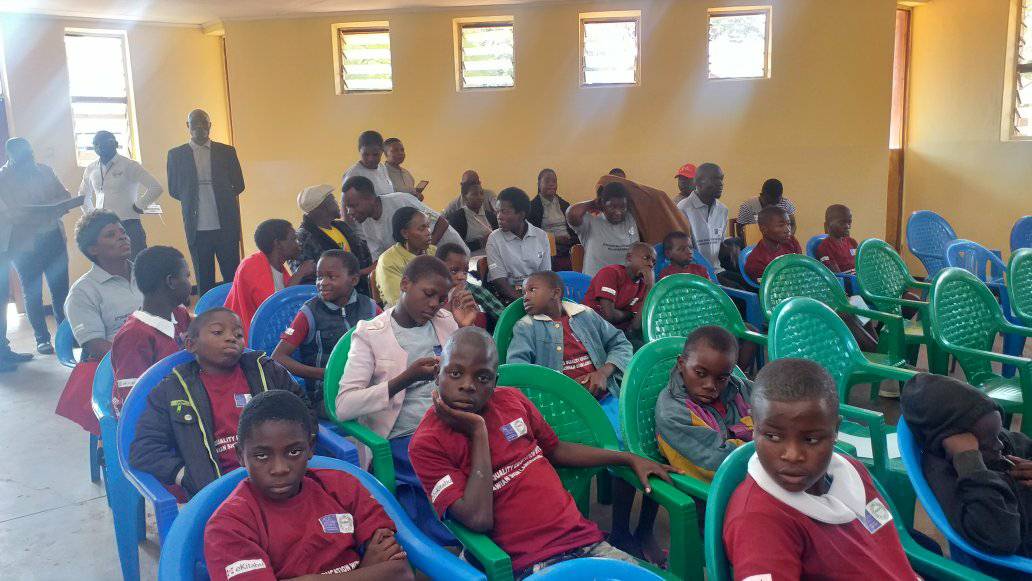
Despite years of promises about free and universal education, many children are still failing to complete primary and secondary school, especially in poor and rural communities where families are struggling to keep children in class.
Across Africa, more than 100 million children and adolescents are currently out of school, according to recent education data. Experts warn that countries like Malawi risk falling further behind unless urgent interventions are implemented.
Education and youth empowerment scholar Moses Ngware says although school participation improved between 2000 and 2024, progress has slowed sharply in recent years as governments struggle with financing education systems.
He notes that while many African countries introduced free education policies in the early 2000s, most can no longer fully sustain them due to economic pressure and declining donor support.
The result has been overcrowded classrooms, shortages of teaching materials, rising school-related costs, and increasing dropout rates.
The situation has been worsened by the long-term impact of Covid-19, which forced millions of children out of classrooms. Many never returned to school.
For girls, the consequences have been particularly severe, with increased cases of early marriages, teenage pregnancies, and school dropouts linked to poverty and social pressure.
Experts warn that if the trend continues, Malawi could face serious economic and social consequences in the coming years, including rising unemployment, child labour, crime, and widening inequality.
Research shows that every additional year of schooling significantly improves an individual’s earning potential, while educated women are more likely to make informed decisions about health, family welfare, and children’s education.
Children born to mothers who complete secondary school are also far less likely to die at an early age compared to those whose mothers have no education.
Analysts say Malawi can still reverse the trend if government prioritises practical interventions such as school feeding programmes, targeted financial support for vulnerable families, improved school infrastructure, and better funding for public education.
There are also calls for stronger support for girls, children with disabilities, and learners from remote rural areas who continue to face the greatest barriers to education.
Without urgent action, experts fear Malawi risks producing another generation trapped in poverty, unemployment, and hopelessness despite education remaining one of the country’s strongest tools for development and national transformation.
Follow and Subscribe Nyasa TV :