

Mchiela presents paper in US on ‘case of widowhood in Malawi’
Malawi Widows Association (MAWIA) chairperson, Andrina Mchiela, recently attended the Commission of the Status of Women (CSW) in the United States of America (USA) where she also presented a paper.
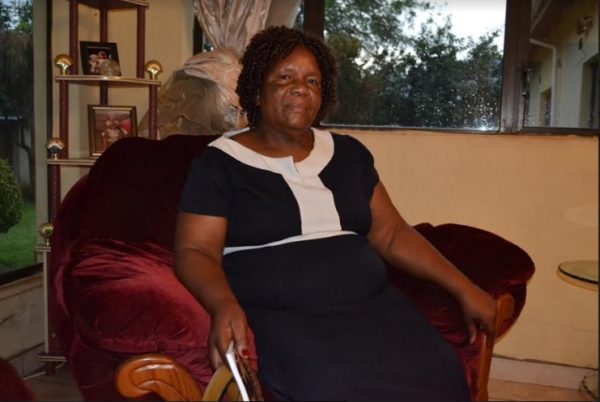
The paper, which is titled ‘The Case of Widowhood in Malawi’, tackles various issues leading to the economic deprivation and the plight of widows in Malawi.
And speaking after returning from the summit last week, Mchiela described the meeting as crucial, saying it provided the widows with a platform to bring to light the socioeconomic challenges they are facing in their lives.
She says widowhood remains a key identity that deepens women’s oppression and widows remain the poorest and most vulnerable individuals in many societies.
“After the death of a husband, many widows live a life of struggles. Patriarchal customary laws and cultural norms often endorse property grabbing by widows in-laws despite protections she may have under statutory law. Additionally, social barriers prevent these widows from accessing justice and stifle their voices from being heard. Without meaningful inheritance, skills, support or opportunities, widows often succumb to the viscous cycle of poverty,” she explained.
The Action Aid Malawi Women’s Rights Thematic Manager, Chikumbutso Ndaferankhande, acknowledged that there is a progressive legal environment in Malawi that tends to entrench the upholding and respecting the rights of widowed women.
“Of course, the Deceased Estates (Wills, Inheritance and Protection) Act, 2011, and Family Relations, Divorce and Marriage Act of 2015 were framed to protect women from various forms of abuse, including property grabbing. But these laws have not been popularised to the grassroots women. Further, it has been noted that these laws are not adequate to protect the widows. In fact, the law in Malawi has contributed to sustaining these gender disparities,” Ndaferankhande observed.
She further stated that there is a large disjuncture between women’s constitutional rights and statutory and customary laws and this causes serious barriers for women’s empowerment.
Malawi is among few countries across the globe with progressive laws and policies for addressing violence against women.
However, although these legal and policy measures do exist, the existing discriminatory legal system often leaves women without adequate judicial recourse.
According to the Malawi Demographic and Health Survey (MDHS), only 40 percent of women who experience violence in any form seek help or disclose the malpractice for fear of suffering stigma and discrimination.
Customary laws generally dictate unequal gender relations, compounding the discrimination that women face by public and private institutions.
Many statutory laws, which comprise subsidiary legislation to the Constitution, continue to discriminate against women.
Consequently, obstacles to gender equality persist in Malawi because of the existing discriminatory statutory and customary laws and practices. Customary laws and norms deny women their constitutional rights and jeopardise women’s access to property, inheritance and divorce.
Follow and Subscribe Nyasa TV :