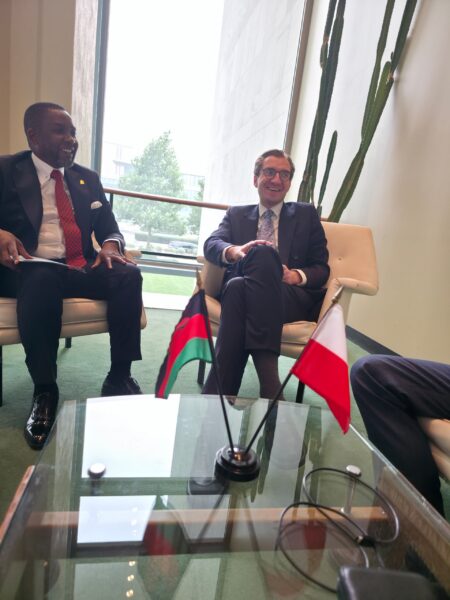

Minister Chipungu sets out land and housing reform plans at UN dialogue
Malawi’s Minister of Lands, Housing and Urban Development, Chimwemwe Chipungu, has outlined a series of housing and land administration reforms she says are central to the country’s national development strategy, in remarks delivered at a United Nations dialogue on housing affordability, inclusion and sustainable urban development.
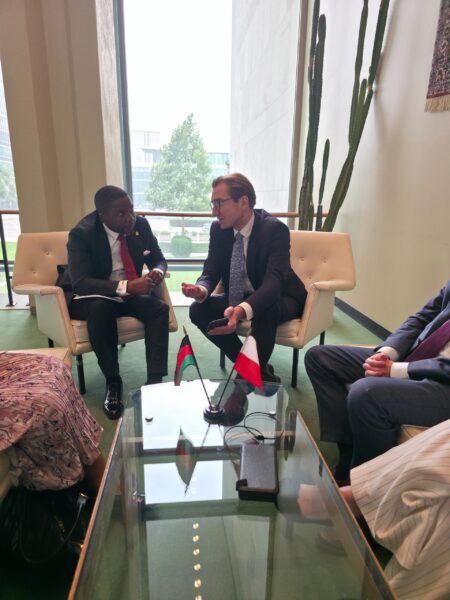
Addressing the Under-Secretary-General of the United Nations and Executive Director of UN-Habitat, along with representatives from Spain and Canada who co-hosted the session, Chipungu thanked the two governments for providing a platform to exchange experiences on housing and urban policy.
On housing affordability, Chipungu said access to affordable housing remained a critical component of inclusive urban development.
She said Malawi was currently reviewing its national Housing Policy and formulating a new housing bill, aimed at improving access to serviced land for housing across all income groups.
The minister said government was also working with civil society on integrated informal settlement upgrading and prevention, intended to improve living conditions, expand access to basic services and support more orderly urban growth.
On sustainable urban development, Chipungu described urbanisation as a key pillar of Malawi’s long-term national strategy, Malawi 2063, with well-planned and productive cities positioned as drivers of economic transformation.
He pointed to the development of secondary cities as centres of economic growth, service delivery and more balanced regional development, alongside efforts to strengthen integrated land-use planning through the World Bank’s Regional Climate Resilience Project, under which local authorities are preparing spatial plans intended to make urban growth more sustainable and resilient.
The minister also highlighted Malawi’s adoption of digital tools in land administration, including the Land Information Management System (LIMS), which she said was intended to improve the transparency, efficiency and accessibility of land services.
He noted that land administration services have been decentralised to local authorities, bringing services closer to citizens and strengthening local capacity to manage urban growth.
On implementation, Chipungu said Malawi’s experience showed that turning policy into practice required digital innovation, adequate financing, strong institutional capacity and effective partnerships across national and local government, communities, the private sector and development partners.
He acknowledged that Malawi continues to face challenges linked to limited financial and technical capacity as it works towards the Sustainable Development Goals and the New Urban Agenda.
Closing his remarks, Chipungu said Malawi remained committed to translating the aspirations of the New Urban Agenda into practical action, citing land reforms, digital transformation, decentralised services, the development of secondary cities and collaborative approaches to informal settlement upgrading as central to the country’s efforts to build safe, inclusive and resilient human settlements.