CSOs urge DPP to recuse himself from Chinese trafficker’s case
A coalition of civil society organisations focused on climate change and conservation has called on Malawi’s Director of Public Prosecutions to recuse himself from all decisions relating to corruption charges against Lin Yunhua, a Chinese national convicted of running a transnational wildlife trafficking syndicate.
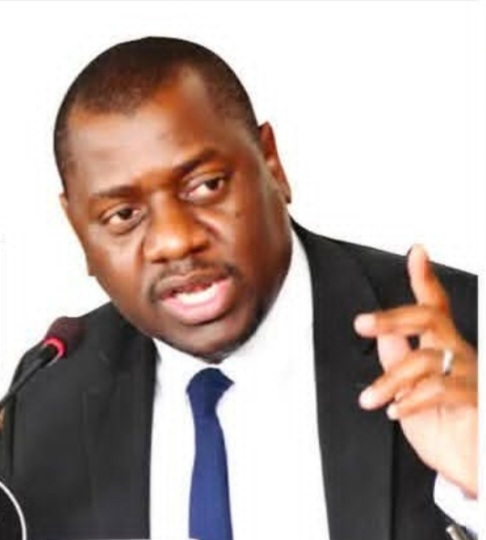
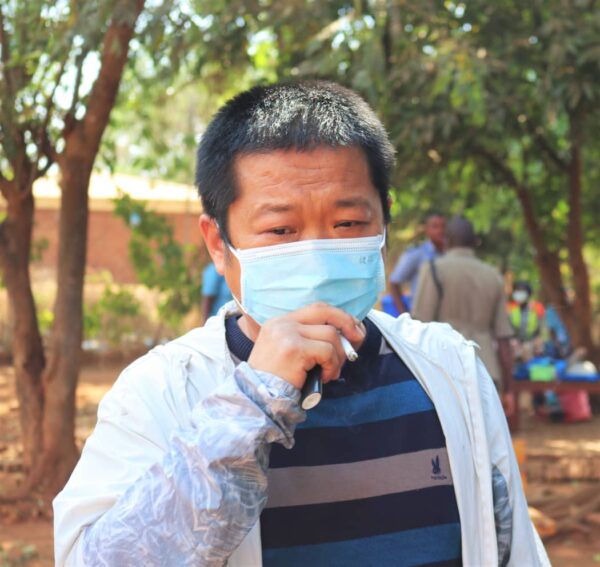
The organisations noted that before his appointment to the post in late 2025, the DPP, Fostino Maele, had reportedly served as legal counsel for Yunhua.
While he ceased representing him upon taking up public office, the groups argued that the circumstances inevitably raise questions over potential conflicts of interest and public perceptions of prosecutorial impartiality.
Julius Ng’oma, executive director of the organisation, said maintaining public confidence in the criminal justice system required not only fairness in substance but the visible appearance of fairness, particularly in high-profile cases involving corruption and organised crime.
The coalition urged all justice sector institutions to ensure the matter proceeds without interference or undue influence, warning that any attempt to undermine the prosecution would represent a significant setback to Malawi’s progress in tackling corruption and illegal wildlife trafficking.
Their intervention follows a High Court ruling on 13 July 2026 that declined an application, brought by Anti-Corruption Bureau (ACB) counsel Peter Sambani, to discontinue the corruption proceedings against Yunhua.
Civil society groups described the ruling as a significant victory for the rule of law, judicial independence and accountability in Malawi.
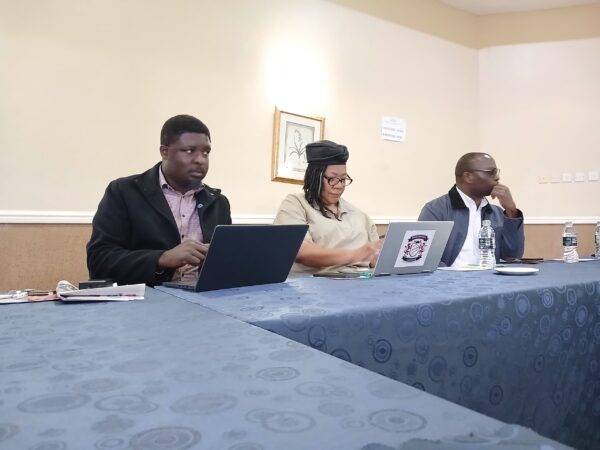
Speaking at a press briefing in Lilongwe on Wednesday, Mfumukazi Zilanie Gondwe, of Indigenous Conservation of Nature, said the ruling came at a time when public confidence in Malawi’s governance and accountability institutions remained under close scrutiny.
She said the allegations against Yunhua carried considerable public importance, making it essential that the case proceed through due legal process rather than being prematurely withdrawn.
According to the organisations, the court’s decision sends a clear signal that no individual should be considered beyond the reach of justice, and that due process must prevail in matters involving corruption and transnational wildlife crime.
The High Court further observed that the application to discontinue the case amounted to a waste of judicial time and public resources, and constituted an abuse of court process.
It nonetheless acknowledged that the State retains constitutional and statutory authority to discontinue criminal proceedings without seeking leave of the court, provided that reasons for doing so are subsequently submitted to Parliament’s Legal Affairs Committee, as required under the Constitution.
While broadly welcoming the ruling, civil society groups expressed concern that this constitutional provision leaves open the possibility of a future attempt to discontinue proceedings through an alternative mechanism, cautioning that further efforts to withdraw the case cannot be ruled out.
The ruling also drew attention to Yunhua’s criminal history. He was identified in 2019 as the ringleader of a transnational wildlife trafficking syndicate operating across several countries, and was subsequently convicted of multiple offences relating to wildlife trafficking and financial crime, for which he was sentenced to imprisonment.
Yunhua was among 37 inmates pardoned during Malawi’s 61st Independence Anniversary celebrations on 6 July 2025.
Following his release, the ACB brought separate corruption charges relating to alleged corrupt practices involving a public officer, giving rise to the current proceedings and the recent dispute over attempts to discontinue the case.