

Minister’s call for men to ‘cry openly’ sparks cross-party support
Malawi’s Parliament erupted into an emotional and unusually candid debate this week after Gender Minister Mary Navicha dropped a bombshell appeal: it’s time for Malawian men to stop suffering in silence — and start crying openly.
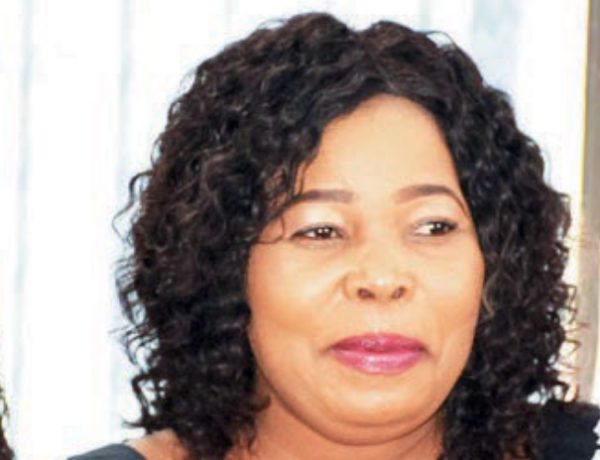
Navicha, responding to alarming concerns raised by Mzimba South MP Emmanuel Chambulanyina Jere over the country’s soaring suicide numbers, said suicide is a complex public health and social welfare challenge driven by a tangle of factors — mental health struggles, family conflicts, substance abuse, economic pressures and other social vulnerabilities.
She told the House that government, through the Department of Social Welfare, would strengthen psychosocial support services and work with health officials, traditional leaders, faith leaders and communities to identify and assist people facing emotional distress.
Then came the line that brought the chamber to life.
“Please speak out, cry, cry. I am encouraging you to cry whenever you are facing challenges. True strength is found in having the courage to speak out and seek support,” Navicha declared.
She didn’t stop there, urging Malawians to tear down the social beliefs that discourage men from expressing emotion, insisting that asking for help should never be mistaken for weakness.
“Society has taught us that men should be strong, hide their emotions and carry their struggles in silence. Today I wish to challenge that belief. Let us cry, men, and create homes and communities where everyone feels safe to share their burdens,” she said.
And the House didn’t just listen — it responded.
First Deputy Speaker Victor Musowa, breaking from the usual composure of the Speaker’s chair, threw his full weight behind the minister’s call.
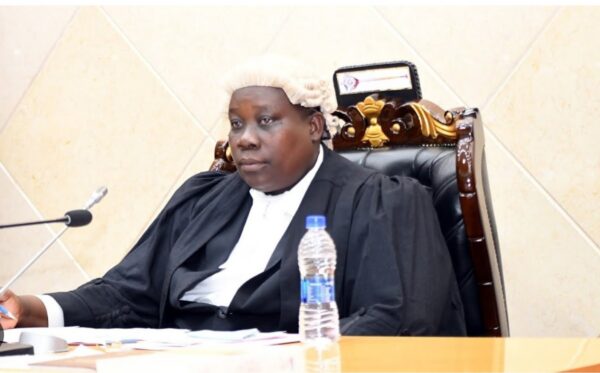
“Yes, men, we should cry,” Musowa declared, drawing nods and murmurs of agreement across the chamber.
Not to be outdone, veteran legislator Patricia “Akweni” Kaliati pushed the debate further, challenging fellow MPs to go beyond words and roll up their sleeves to offer real counselling support in their constituencies, especially in areas where men are struggling most.
She singled out Musowa as the man for the job, praising him as a valuable asset who could spearhead the campaign.
The debate then swung toward the economy. Lilongwe Msinja South MP Francis Belekanyama argued that economic hardship was among the biggest drivers of emotional distress in the country, pointing to unemployment, low incomes, financial pressure and the struggles faced by farmers, civil servants and young graduates.
“Time has come for this national dialogue to honestly discuss the economic hardships our people are facing,” he said.
But Local Government Minister Ben Phiri pushed back against pinning suicide on economic hardship alone, warning MPs not to oversimplify a deeply complicated issue.
“There are so many attributes to suicide beyond salaries. There are people facing marital challenges, deaths and many other circumstances, so we should not present low salaries as the only cause,” Phiri said, citing marital problems and bereavement as equally significant factors.
Backing the minister’s broader concerns, Lilongwe Demera MP Monica Chayang’anamuno pointed to one brutal reality: more men are taking their own lives simply because they have nowhere to turn, no one to talk to, and nowhere to let their pain out.
The debate closed with MPs calling for a coordinated national response — uniting government institutions, health workers, community leaders, families and civil society organisations — to strengthen suicide prevention efforts and ensure people facing emotional difficulties get timely support.
Follow and Subscribe Nyasa TV :