

MRA Launches Door-to-Door Property Audit in Lilongwe, Blantyre to Track Rental Income
The Malawi Revenue Authority (MRA) has rolled out a door-to-door property information verification exercise in selected low-density areas of Lilongwe and Blantyre, a move aimed at tightening compliance with rental income tax and closing loopholes that have long allowed some landlords to avoid declaring earnings.
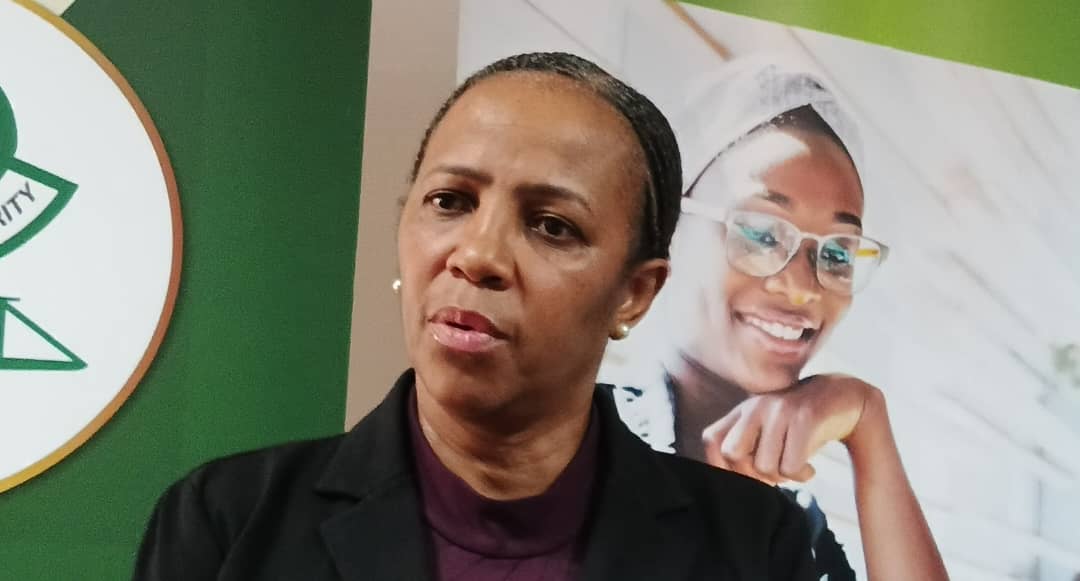
Confirming the development, MRA spokesperson Wilma Chalulu said the exercise forms part of the authority’s broader strategy to strengthen revenue collection and ensure fairness in the taxation system.
In a public notice, the tax authority says the verification drive will see teams of three to four MRA officers visiting properties in targeted neighbourhoods to collect and verify property-related information directly from landlords or their representatives.
The authority says the exercise is meant to improve transparency and accountability in the rental property market, which has increasingly become a significant source of income for many property owners in Malawi’s major cities.
“MRA officers conducting the exercise will be dressed in official MRA branded vests and will carry valid identification cards. Members of the public are encouraged to verify identification before engaging with the officers,” reads part of the notice.
What Officers Will Be Looking For
During the visits, the teams will gather detailed information about properties, including:
- Plot or title deed numbers
- Type of property
- Year the property was constructed
- Density classification
- Number of rental units on the property
- Occupancy status of the units
Officers will also record the average monthly rent per unit, as well as details of property management arrangements, particularly where properties are managed by agents on behalf of landlords.
Targeting Rental Income Compliance
The exercise signals a more aggressive approach by MRA toward rental income tax compliance, an area the authority has previously indicated suffers from widespread under-declaration.
By collecting detailed property data directly from neighbourhoods, the tax authority is expected to build a more accurate database of rental properties and potential taxable income, enabling it to cross-check declarations made by landlords.
Officials say the initiative is not only about raising revenue but also about ensuring fairness, particularly for property owners who already comply with tax obligations.
As Malawi continues grappling with fiscal pressures and the need to broaden its tax base, the door-to-door verification exercise is likely to send a strong message to landlords in urban centres: rental income is firmly on the tax authority’s radar.
Follow and Subscribe Nyasa TV :
My only concern is that, in a fair country, one would expect that the government, through MRA and other city councils would improve the standards of roads and city streets before they start correcting these taxes. Why would anyone ask for taxation in an area where they (the government) never improve anything? Sanitation is an issue, electricity, water, garbage disposal, security, and road network are among things that needed address before you collect anything from these people. Drainage is another area that the city neglects and yet you are here correcting taxes, for what exactly?