

Mwanamvekha promises full austerity report after mounting pressure
Minister of Finance, Economic Planning and Decentralisation Joseph Mwanamvekha has pledged to publicly account for the savings generated through the government’s austerity measures, following mounting pressure from civil society organisations demanding proof that the cost-cutting programme has delivered tangible results.
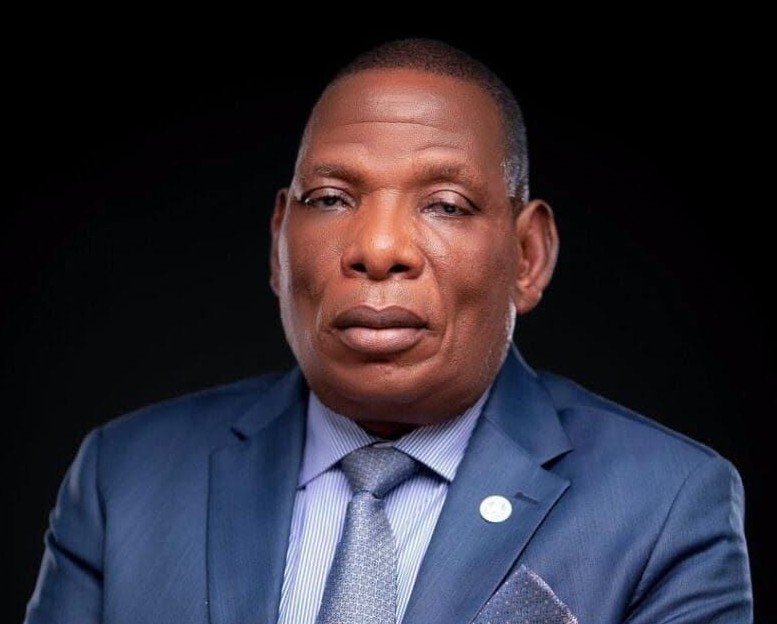
Mwanamvekha said the government will present a comprehensive report during the Mid-Year Budget Review in Parliament this September, detailing how much money was saved through the austerity measures and how the resources were utilised.
He said the Ministry of Finance already has all the figures showing the impact of the expenditure controls. Still, he insisted that the appropriate platform to present them is Parliament during the budget review.
“We have all the numbers on how these measures have helped protect public resources. September is not far away, and we will explain everything during the Mid-Year Budget Review,” Mwanamvekha said.
His assurance comes after weeks of growing criticism from civil society organisations, which have accused the government of implementing austerity measures without providing any evidence that they have produced meaningful fiscal benefits.
The criticism intensified after the government recently lifted the freeze on recruitment and promotions in the public service—one of the key austerity measures introduced in November last year to contain the ballooning public wage bill and reduce public expenditure.
Governance advocates argued that before ending the restrictions, the government should first have published a progress report showing whether the measures had actually achieved their objectives.
The Centre for Social Accountability and Transparency (CSAT) questioned how much money had been saved during the recruitment freeze, where the savings had been allocated and why the restrictions were lifted without first accounting to the public.
CSAT Executive Director Willie Kambwandira warned that without transparency, the austerity programme risked being viewed as little more than a public relations exercise rather than a credible fiscal reform strategy.
Similarly, the Centre for Democracy and Economic Development Initiatives (CDEDI) said the government had established a worrying pattern of announcing major reforms without reporting on their outcomes.
CDEDI Executive Director Sylvester Namiwa said Malawians deserved evidence showing that the painful expenditure controls had translated into real fiscal gains.
The organisation also noted that government had never released findings from its nationwide civil service headcount, which was intended to identify ghost workers and reduce wasteful expenditure.
Economists have also argued that measuring the success of austerity requires more than announcing spending cuts. They say government should demonstrate measurable outcomes such as reduced expenditure, improved fiscal balances, lower borrowing requirements and better use of public resources.
Mwanamvekha’s commitment to publish the figures in September is therefore likely to be closely watched, as it will provide the first official assessment of whether the government’s austerity measures generated the savings that were promised and whether those savings were redirected towards national development priorities.
The Mid-Year Budget Review is expected to give Parliament and the public an opportunity to assess not only the performance of the austerity programme, but also the overall implementation of the 2026/27 National Budget amid growing concerns over fiscal pressures and slower-than-expected economic growth.
Follow and Subscribe Nyasa TV :