

Ntcheu men still shunning to cut their fore skins –Hospital
A recent voluntary male medical circumcision (VMMC) campaign conducted in Ntcheu has revealed that men still shun the service despite deliberate efforts to reach them.
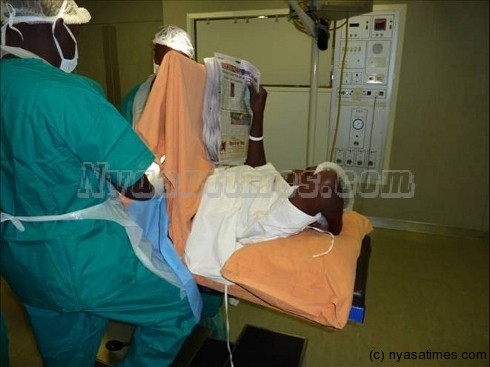
Briefing stakeholders at the Boma Wednesday, VMMC Acting Coordinator for Ntcheu District hospital Duncan Lipenga, said even though the hospital managed to reach 85 percent of its target during the campaign, the majority of the patrons were children from the age of 10 to 14 years.
“Our target was to circumcise 1,100 clients in three weeks of the campaign but we managed to reach 931 clients representing 85 percent. We cannot say that we did not do well considering the challenges that were there,” said Lipenga.
According to Lipenga, the turn up of clients was marred with misconceptions that people in the communities have regarding the service.
“Most men still think circumcision is meant for yaos and not everyone. We still have a long way to go if we are to change this trend,” he said.
He also said some men do not feel comfortable to be assisted by female providers as a result shun away.
“Sometimes we meet men that are not comfortable with female providers. We have trained female providers who also perform the procedures. The best thing we can do is not to engage them, but to make the clients understand that the females are equally trained to carry out the procedures and that their privacy is always a priority,” he said.
Lipenga also lamented the use of mobile vans for dissemination of information on VMMC as another challenge affecting the delivery of the service.
“There are some areas where a mobile van cannot reach due to geographical positions. It becomes difficult for us to reach people from those areas with messages. We still need to find other means of reaching out to them with information so that they make informed decisions,” said Lipenga.
The coordinator told Mana that the hospital would intensify sensitization meetings with the people in the district so that they get the right information.
“The good thing is that we know the challenges and what we can do is to intensify sensitization campaigns so that we end those misconceptions that people have. And I am sure with the assistance of community leaders, we can achieve our goals,” he said.
Ntcheu District Health officer (DHO) with assistance from National Aids Commission (NAC) conducted a three week VMMC campaign from 28 August, 2017 at Biriwiri, the district health office and Nsiyaludzu in the district.
Follow and Subscribe Nyasa TV :