

Over 300 Elderly Malawians Murdered in 10 Years as Justice System Stands Accused of Silence and Abandonment
More than 300 elderly Malawians have been brutally murdered over the past decade — beaten, hacked, stoned, burned alive and buried in silence — while a collapsing justice system watches helplessly as suspects walk free and families are left without answers.
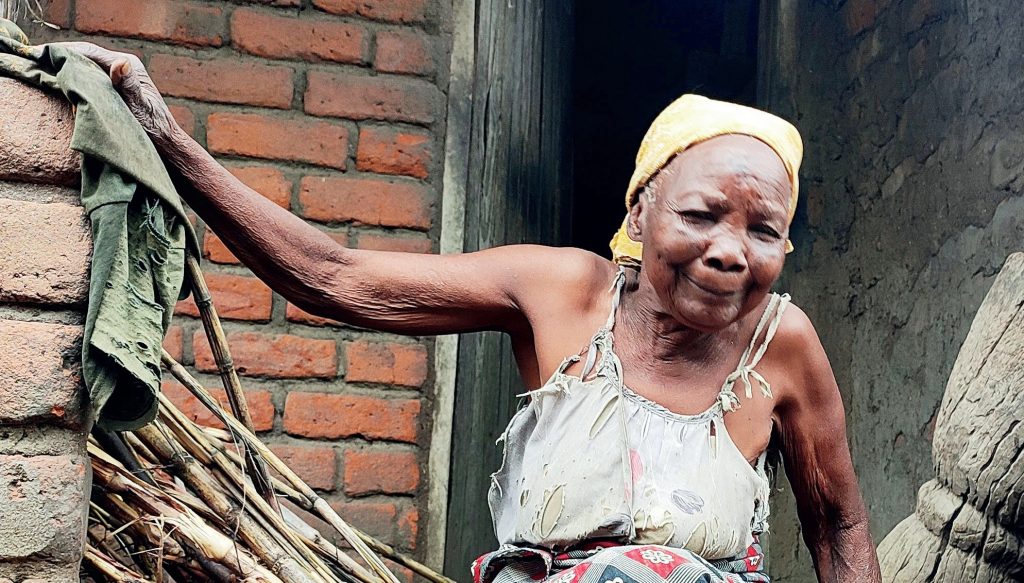
The victims were not criminals. Many were frail grandmothers and elderly men whose only “crime” was growing old in communities poisoned by fear, superstition and witchcraft accusations.
Now, the scale of the bloodshed is exposing what rights groups describe as a deeply broken justice system — one where arrests are announced with fanfare, but prosecutions disappear into silence.
An investigation based on police records, media reports and interviews reveals a horrifying national pattern: elderly citizens accused of witchcraft are being slaughtered by relatives, neighbours and even close family members, while cases collapse before reaching justice.
According to the Malawi Network of Older Persons’ Organisations (Manepo), nearly 300 elderly people were murdered between January 2016 and April 2026 on suspicion of practicing witchcraft.
The organisation says Malawi records between 25 and 30 killings of elderly people every year, alongside more than 80 documented cases of physical abuse linked to witchcraft accusations over the last decade.
Behind those statistics are shattered families, terrified communities and elderly citizens living in fear of becoming the next target.
The killings continue to rise.
In the first four months of 2026 alone, 12 elderly people had already been killed.
Three weeks ago in Dowa, Positani Kachipewa of Chikonkha Village was allegedly beaten to death by his own nephew, Rodwell Nduna, after being accused of witchcraft.
In January 2024, police in Mulanje arrested three young men accused of murdering their 73-year-old grandmother, Elisa Supani, under similar suspicions.
And in January 2016, four members of the Kanjete family — Eliza, Elenefa, Byson and Idesi — were killed in Neno after being accused of causing a child’s death through witchcraft.
Many of the victims never live to see justice. In many cases, even their families never see a courtroom.
Manepo Executive Director Andrew Kavala says the country’s justice system has completely failed elderly citizens.
“In every instance, police report arrests, but the legal process then stalls,” Kavala lamented.
“We are repeatedly told that homicide cases are too expensive to prosecute, yet we see other murder trials fast-tracked. What makes these cases special? Why is funding allocated only to victims perceived as high-profile or relevant to those in power?”
Kavala, who also serves as a commissioner for the Malawi Human Rights Commission, described the situation as “discrimination at its worst.”
“This is discrimination at its worst; the justice system has utterly failed our older citizens,” he said.
A review of cases over the last 10 years shows that while 60 to 70 percent of the killings resulted in arrests, very few suspects were successfully prosecuted or publicly taken through the courts.
Rights advocates say the failure to conclude the cases has created a dangerous culture of impunity where perpetrators no longer fear consequences.
Kavala accused the Malawi Police Service, the Judiciary and the Ministry of Justice of abandoning elderly citizens.
“Police investigators possess the capacity for other matters, yet homicides involving older persons are frequently delayed, poorly investigated, or abandoned,” he said.
“The Ministry of Justice allocates resources to high-profile or politically sensitive cases while treating the murder of older persons as secondary. Similarly, the Judiciary acts with urgency for the elite, but allows cases involving the elderly to stagnate.”
He warned that Malawi is witnessing a “total moral and institutional collapse” where the value of human life appears to depend on social status and political relevance.
“Perpetrators know the system does not prioritise older persons, and as a result, justice is easily evaded,” he said.
Human rights advocate Victor Mhango agreed, saying unresolved murder cases send a terrifying message that elderly lives matter less.
“The failure to conclude such cases represents a breakdown in the justice system,” Mhango said.
“It denies victims closure and sends a dangerous message that their lives are less valued.”
Mhango warned that continued delays are emboldening killers while exposing vulnerable elderly citizens to more violence.
“Justice must be equal and timely, regardless of status,” he added.
Former Minister of Gender, Community Development and Social Welfare Jean Sendeza disclosed in August 2023 that at least 88 murder cases involving elderly victims remained unresolved in court.
The crisis persists despite Malawi passing the Older Persons Act in April 2024, legislation meant to criminalise abuse against elderly people and strengthen protections for them.
The law provides for protection orders, penalties for perpetrators and duties for institutions to safeguard older citizens. But on the ground, elderly people continue to die.
The 2016 National Policy for Older Persons already warned that elderly citizens — especially women — face growing physical and verbal abuse driven by witchcraft accusations, ageism and harmful beliefs.
Experts say elderly women are often targeted because they are physically weaker, isolated and unable to defend themselves against violent accusations.
Poverty, weak family support systems and lack of social protection have only worsened their vulnerability.
Meanwhile, authorities accused of failing the elderly have remained largely silent.
Ministry of Justice spokesperson Frank Namangale defended the Directorate of Public Prosecutions, claiming cases are prosecuted once investigations are complete and insisting the institution faces “no resource constraints at all.”
However, despite being presented with examples of delayed prosecutions, he reportedly failed to respond further before publication.
The Judiciary, police and other authorities also failed to provide detailed responses.
The tragedy is unfolding at a time when Malawi’s elderly population is rapidly growing.
According to the 2018 Population and Housing Census, the number of elderly citizens rose by 30.1 percent — from 684,000 in 2008 to 891,000 in 2018.
For many aging Malawians, growing old has now become a death sentence whispered through fear, suspicion and abandonment — in villages where accusations spread faster than justice, and where the law too often arrives only to count another body.
Follow and Subscribe Nyasa TV :