

Political will tested as Malawi’s health sector confronts a slow‑burn collapse
Malawi’s health system is confronting a slow‑burn crisis that has now become impossible to ignore. What was once described as “pressure” on referral hospitals has hardened into systemic failure, visible in broken infrastructure, chronic staff shortages and a financing model that no longer matches the country’s needs.
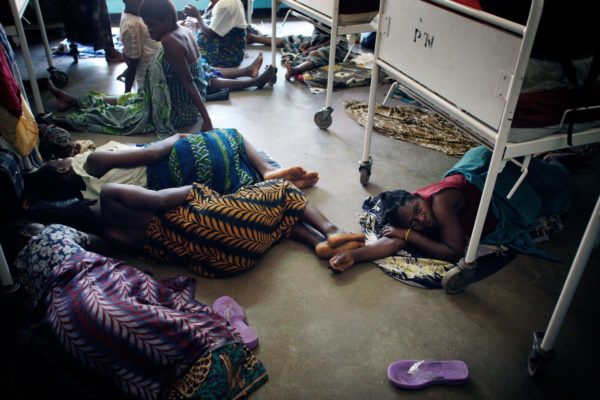
The deterioration of the four central hospitals — Kamuzu Central, Queen Elizabeth, Mzuzu and Zomba — is not an isolated collapse but a symptom of a deeper structural malaise.
Cracked floors, idle machines, failing lifts and power outages are not merely operational problems; they are the physical expression of a system that has been underfunded for years.
Health workers describe improvising in conditions that compromise safety, while patients wait months for procedures that should be routine.
The roots of the crisis lie in a long‑standing dependency on donor funding.
For decades, external partners filled critical gaps in Malawi’s health budget, supporting everything from essential drugs to specialised equipment.
But as donor priorities shifted and contributions declined, the country’s own financing mechanisms failed to rise to the challenge.
Malawi continues to fall short of the Abuja Declaration target of allocating 15 percent of its national budget to health — a benchmark designed precisely to prevent the kind of collapse now unfolding.
The consequences are stark. The ambition of achieving Universal Health Coverage by 2030 feels increasingly aspirational.
Operating theatres remain underutilised because there are too few surgeons, anaesthetists and theatre nurses. CT scanners sit unrepaired. Ambulances break down.
In some wards, patients sleep on floors for lack of beds.
These are not isolated failures but indicators of a system stretched beyond its limits.
Experts argue that Malawi must confront uncomfortable truths. The current financing model is unsustainable. Reliance on donors leaves the system vulnerable to external shocks, while domestic allocations remain too low to maintain even basic infrastructure.
Without a shift toward stronger domestic resource mobilisation, predictable funding and long‑term investment, the health system risks entrenching inequality — where only those who can afford private care receive timely treatment.
The political challenge is equally significant. Rebuilding the health system will require more than emergency repairs or short‑term injections of funds.
It demands political will, accountability and a recognition that health is not merely a social service but a foundation of national stability.
The collapse of referral hospitals is not just a medical crisis; it is a governance crisis.
For now, Malawi’s central hospitals stand as symbols of a system under strain — institutions expected to anchor national healthcare but increasingly unable to meet the needs of the people they serve.
Whether the country can reverse this trajectory will depend on decisions made in the coming years: decisions about funding, leadership and the political value placed on public health.
Follow and Subscribe Nyasa TV :