

PP pushes for 50+1 law: ‘Malawi should be electing a President by majority’
The proposal to have 50 percent-plus-one majority in the presidential election has resurfaced after People’s Party (PP) of former president Joyce Banda wants the Electoral Reforms Bill which was suffocated in Parliament to be retabled as Parliament start meeting this Monday.
Malawi Law Commission endorsed the merit of shifting to a 50-plus-one system from the current electoral system for presidential elections, the plurality-based First Past the Post (FPTP) system that will see the country receding from the winner-takes-it-all scenario of electing the Head of State.
Since 1994 the FPTP electoral system has been used for the selection of the country’s President, members of Parliament (MPs) and ward councillors.
Under these rules, the candidate on the ballot who gets the most votes is duly elected.
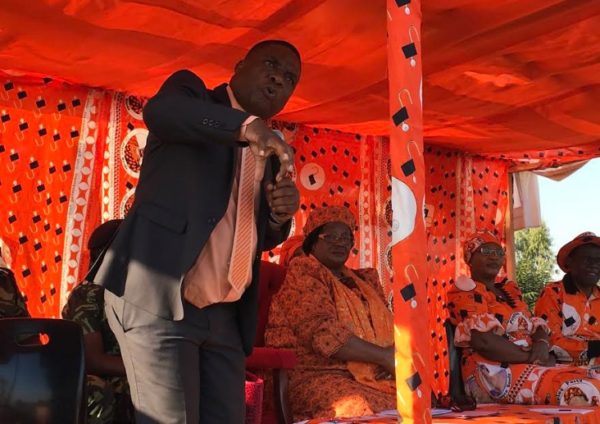
But PP vice president for the North, Kamlepo Kalua, who is also Rumphi East legislator, said the electorate are demanding the revival of shot down Electoral Reforms Bill including the 50-plus-one system.
“We in the PP would be happier if the 50-plus-one Bill would be reintroduced and passed in this November meeting of Parliament,” said Kalua.
The new system will mean that the winning president will have to amass at least 50+ percent threshold of the national vote.
Parliament will have to amend Section 80 (2) of the Constitution and Section 96 (5) of the Parliamentary and Presidential Elections (PPE) Act to provide change of the electoral system from the current simple majority to the 50 plus one percent.
The electoral law reforms entail that where no such majority is obtained by any presidential candidate in the first poll, a run-off “should be held in which two presidential candidates who obtained the highest and second highest number of valid votes cast should be the only candidates.”
In the first post-independence multiparty elections in 1994, Bakili Muluzi won the presidency with 47 percent although later, in his second term, won with 52 percent in 1999.
In 2004, the late Bingu wa Mutharika made it with 36 percent, but his approval rating surged to 66 percent five years later in 2009. His younger brother, Peter, in 2014 secured the presidency with about 36 percent of the votes cast.
Barely two months after Mutharika’s election in 2014, several quarters especially northerners – who come from the least populated region in the country – started lodging serious calls for a federal system of government to do away with the present unitary system.
Follow and Subscribe Nyasa TV :