

Rotten ADMARC Maize Flour Sold to Staff as ‘Privilege’ in Shocking Food Scandal
A stinking scandal is unfolding at the Agricultural Development and Marketing Corporation (ADMARC) after about 132 tonnes of maize flour meant to feed Malawians reportedly rotted in warehouses and was quietly diverted to staff—despite being infested with worms and mould.
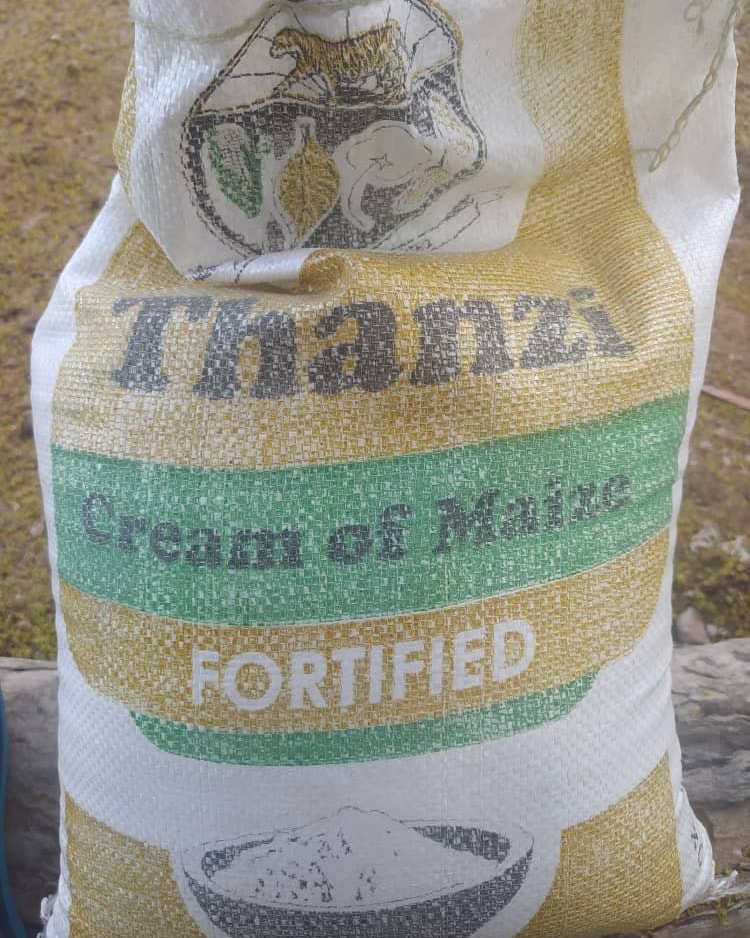
Nyasa Times has learnt that the maize flour, stored at ADMARC warehouses in Liwonde and Blantyre, went bad due to gross mismanagement and poor storage practices. Instead of being declared unfit and disposed of under health and safety regulations, the spoiled flour was allegedly released to ADMARC depots and sold cheaply to employees.
Inside sources say staff were strictly instructed not to sell the maize flour to members of the public, as it was deemed a staff privilege. Yet the same sources insist the flour was unsafe for human consumption, with visible signs of decay.
Nyasa Times has seen some of the affected bags, crawling with worms and covered in mould, raising serious public health concerns and questions about ethical leadership at the State grain marketer.
“This is rotten food—literally and morally,” said one source. “Instead of owning up to the loss and taking responsibility, management chose to hide the mess and reward insiders with contaminated maize.”
The revelations come at a time when millions of Malawians are struggling with food insecurity, with maize prices soaring and households skipping meals. That food meant for national food security could be allowed to rot—and then quietly redistributed to insiders—has sparked outrage.
When contacted for comment, ADMARC spokesperson Theresa Chapulapula said she was not aware of the issue and promised to verify the matter. However, repeated follow-up calls went unanswered by the time of publication, reinforcing perceptions of a cover-up.
Social commentator Lucky Mbewe condemned the development, describing it as a betrayal of public trust.
“This is unacceptable and criminally negligent,” said Mbewe. “ADMARC handles food that sustains the nation. Those responsible must be identified and punished. Rotten maize flour should never find its way to people, whether staff or the public.”
The scandal raises disturbing questions: Who authorised the storage of maize flour under such poor conditions? Why was the spoiled stock not publicly declared and safely destroyed? And why was it secretly sold to staff instead?
As pressure mounts, critics say the episode reflects deep-rooted impunity and decay within public institutions—where losses are hidden, accountability avoided, and insiders protected, even at the risk of human health.
For a country battling hunger, this is not just mismanagement. It is a national disgrace.
Follow and Subscribe Nyasa TV :