

Shortage of health workers fuel unnecessary deaths in Dedza
Shortage of health workers at some health centres in the country has been cited as one of the major reasons causing maternal and other preventable deaths.
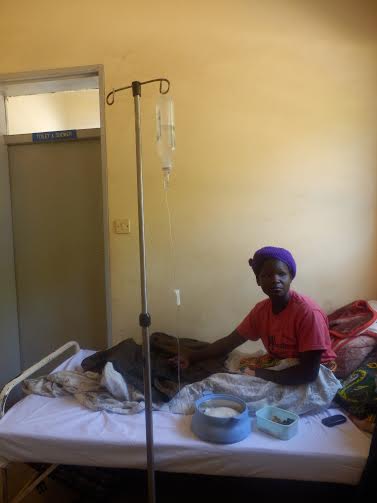
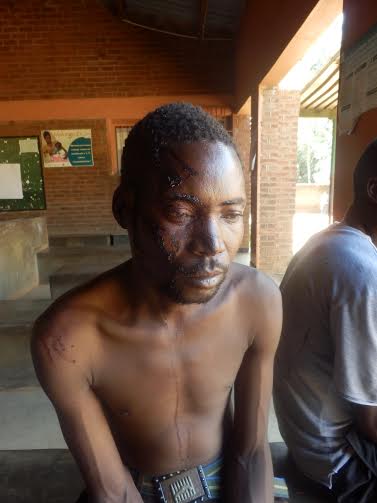


The observation was made by the National Initiative for Civic Education (NICE) Trust recently at Group Village Headman (GVH) Chimpeni’s area, Traditional Authority (T/A) Kaphuka in Dedza during a field monitoring visit, the trust organized.
NICE’s observation came after learning that patients at Chitowo Health Centre in the area are spending two to three days without being assisted due to lack of medical personnel to attend to their problems.
Speaking during the visit, NICE Trust Regional Civic Education Officer (RCEO) for Central Region, Christopher Naphiyo said the development is retrogressive in the fight against maternal deaths and other preventable deaths.
“I fear the development could undermine efforts to promote safe motherhood in the area as health workers are mostly unavailable to provide professional assistance to expectant women who are due for delivery,’ said Naphiyo.
He said if government had deployed more health workers in Malawi’s rural health facilities, deaths resulting from shortage of health workers would be combated in the country.
“The majority of the people stay in the villages. If the Ministry of Health deploys more medical personnel in the rural areas, then what it will mean is that there will be a reduction of referrals at the main district health facility and the reduction of unnecessary deaths in he long run,” observed Naphiyo.
He said it is disheartening to note that most people in the rural communities fail to hold duty-bearers and service providers accountable and claim what rightly belongs to them because
they do not know that they have rights to do so.
Naphiyo further explained that NICE will intensify efforts in empowering people in the rural communities to know their rights so that they can demand better services from duty-bearers and service providers as one way of enhancing development in the country.
Apart from shortage of medical staff at the health centres, it was also observed during the visit that shortages of school blocks, teacher’s houses, lack of bridges, among others were a major concern.
With funds from European Union (EU), NICE is in implementing Programme Estimate Number Two (PE 2), where it is empowering communities to demand better services from duty-bearers.
Follow and Subscribe Nyasa TV :