

Smuggling, catalyst for job losses
There is fear that a good number of Malawians could lose their jobs in a number of companies because of smuggling.
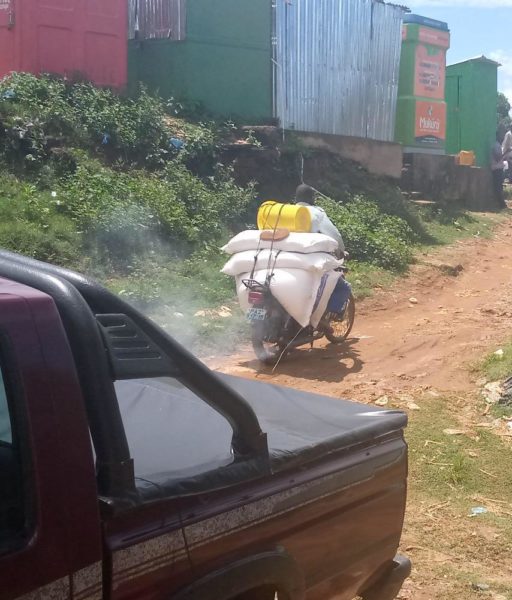
Despite the government’s promise to enhance border patrols, the situation on the ground is different as smugglers continue to evade tax easily while frustrating local manufacturers at the same time.
A snap survey at Mwanza border exposed a lot of uncharted routes through which cooking oil, wheat flour and fizzy drinks are rampantly smuggled even during the day.
Smugglers are using all manner of transportation ranging from bicycles, motorbikes and cars to smuggle the commodities.
The cooking oil industry is one of the hardest hit as a result of price hike following the introduction of Value Added Tax (VAT).
A representative of the cooking oil industry, Rajneesh Dabral, who is Operations In-Charge at Value Chain Limited, said they were worried with the influx of smuggled cooking oil.
He feared the industry would downsize if government does not intervene. This would lead to unexpected loss of jobs by many Malawians.
“The sector is patiently awaiting respite from this situation as several representations have been made to the relevant authorities,” said Dabral.
Meanwhile, some workers in cooking oil companies are fearing for their jobs following the reduction of shifts.
“Previously we could do three or four shifts but now we are doing two shifts and chances are that we will be having a single shift. If they (employers) can’t make profits then we will obviously be fired,” said one worker.
If the cooking oil industry fires workforce, then it will be a blow to the Tonse Alliance led-government after promising to create one million jobs.
Some quarters have however been questioning government for introducing VAT on cooking as the commodity alongside sugar, wheat flour and salt were among fortified products which needed to be easily accessible.
Follow and Subscribe Nyasa TV :
Although I know that this reporter has been paid by business men to write this article, I have to say whatever you have written is all truth. Malawi has now become like a market place, where foreigners are just trading but at the end of the day, they take all the money home. Now who is to blame for all this? In my opinion, the following:
1. Ministry of Trade. This ministry is only interested in “facilitation of trade” but what trade it facilitates, they don’t care. In fact importing something is much easier and cheaper than manufacturing the same in Malawi. I don’t think we have any penalties for smuggling in Malawi. The ministry of trade also is encouraging unnecessary importations of products from our neighboring countries, of which things we make locally. Such things like biscuits, juices, kombuchas, cooking oils, Coca-Cola. If you go to borders, lots of women are freely importing these through what they call Simplified Trade Regime (STR). Through this system, the so called small importers can import whatever trash they want, declare the value of those things themselves and pay very little tax to govt. STRs system is favouring our neighbors in that they are able to export to Malawi more goods and not Malawi. If I was Minister of Trade, I would abolish this system first day on office. By encouraging more importation, the Ministry of trade is gradually but surely killing the local manufacturing industry. I don’t know if they are not seeing this.
2. Malawians. Many Malawians believe that anything imported is good than our locally made products. We can import even Coca-Cola, potatoes and cabbages. We are so obsessed with Tanzanian, Zambian and Mozambican products that we can’t buy our local products, same quality and price.
3. Malawi government. There’s too much policing and taxation on our local manufacturers to the point that many are struggling to even break even. Our production cost in Malawi is very high, hence many local products are expensive than imported ones. Some countries may deliberately give tax holidies to newly established companies for given period of time to help them service machinery loans. I’m not sure if it’s same in Malawi.
So yes, our local industry is slowly but surely shrinking each passing day.
I hope during the next public address Chakwera will include policies on how to deal with smuggling, illegal trading and illegal foreiners. I don’t think our president can have the same silly thinking that some Government officials have saying that these things are because our borders are porous. No. Then who do they expect to seal the them.