Stay orders, stalled justice and land left in limbo: the Malawian family still waiting to claim land the courts say is theirs
- The Tichitenji Estate dispute has exposed a troubling structural gap in Malawi’s civil justice system — one where winning in court does not mean winning in practice
In December 2025, the High Court of Malawi ruled clearly and unambiguously: the Kaphwiti family were the rightful owners of Tichitenji Estate, a 583.7-acre property in Mchinji whose title deed, obtained in 1968, had never been lawfully cancelled or surrendered.
They are still waiting to take possession of it.
Within days of that ruling, the court granted a stay of execution pending appeal — a routine procedural mechanism that suspends enforcement of a judgment while a higher court reviews it.
The appeal remains unresolved. The stay remains in place. And the Kaphwiti family, despite holding a judgment in their favour, remain effectively excluded from land the courts have recognised as theirs.
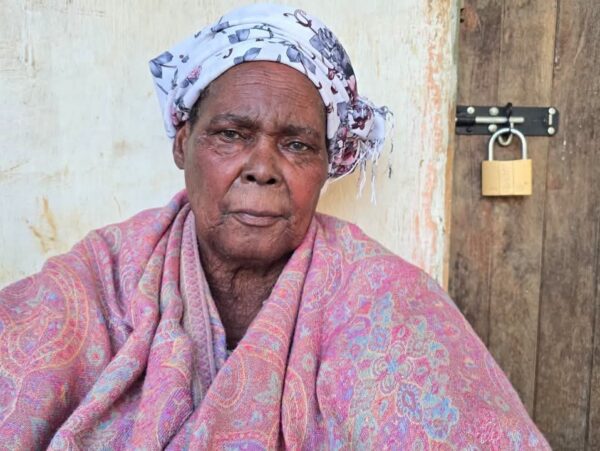
“This case has cost us money, peace and emotional well-being,” said Tapiwa Kaphwiti, daughter of the late Elias Kaphwiti Banda, in whose name the original title was registered. “We respect the courts, but the delay is punishing us.”
A dispute rooted in political history
The case is not a simple one. Its roots stretch back more than half a century, to the turbulent early years of Malawian independence.
The Kaphwiti family maintains that Elias Kaphwiti Banda acquired the estate in 1968, only to flee into political exile three years later amid the repressive atmosphere of the Hastings Kamuzu Banda era.
They argue that subsequent occupation and transfers of the property occurred without any lawful cancellation of their original title.
The opposing claim — advanced on behalf of Cecilia Tamanda Kadzamira, the former official hostess to founding President Kamuzu Banda — traces the estate to a purported transfer in the early 1970s, allegedly surrendered to Kadzamira by the president himself.
In 2020, the dispute escalated sharply when a court order barred the Kaphwiti family from accessing the estate altogether, pending the resolution of trespass allegations against them.
That injunction remained in force for five years, until the 2025 High Court ruling shifted legal recognition back in their favour — at least on paper.
The gap between judgment and justice
Legal practitioners in Malawi say the tension between a court ruling and its enforcement is not unusual in complex civil disputes.
Stay orders serve a legitimate function: they prevent irreversible harm from being done while an appeal is heard, preserving the status quo until a higher court can weigh in.
But the Tichitenji case has drawn renewed attention to what critics describe as a structural failure — the absence of any effective time-bound mechanism to resolve appeals where property rights have already been judicially determined at first instance.
When appeals are delayed, or when court registries are slow to prepare and transmit records, stays of execution can operate not as temporary safeguards but as de facto long-term blocks — leaving victorious litigants in a state of indefinite suspension.
In this case, counsel for the opposing party confirmed that delays in the appeal process have been attributed to the preparation of the record of appeal by the court registry — an administrative bottleneck that is entirely beyond the Kaphwiti family’s control.
Chief Justice Rizine Mzikamanda has previously directed courts to dispose of matters within 90 days where possible, emphasising the importance of timely justice.
Yet enforcement bottlenecks remain a persistent feature of civil litigation in Malawi, particularly in disputes involving property and land.
Occupation as protest
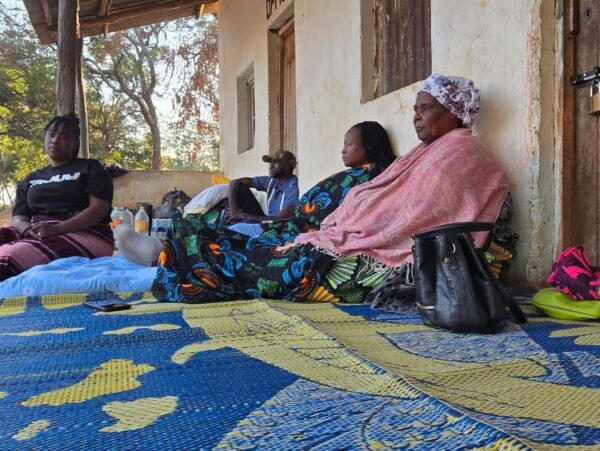
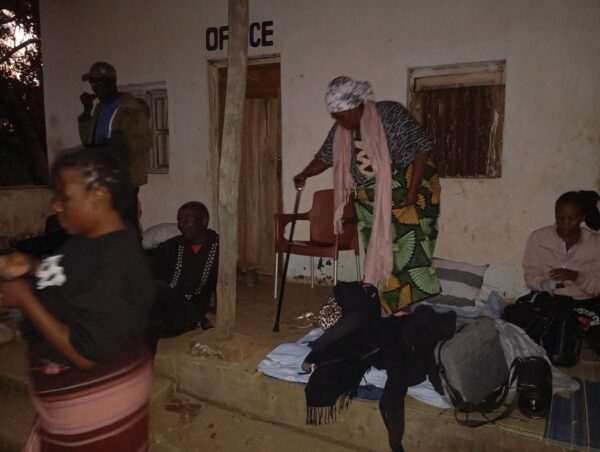
Faced with continued exclusion despite their legal victory, the Kaphwiti family has taken an unusual step. They have physically returned to the estate, setting up camp on the disputed land while awaiting further direction from the courts.
It is an act that sits in uncomfortable legal territory — litigants occupying land subject to an active appellate process — but one that speaks to the frustration of a family that has now been fighting this battle across generations.
“We are not dealing with a new dispute,” said Tapiwa Kaphwiti. “This is a continuation of a fight that started before I was born.”
The situation has been further complicated by reports that Traditional Authority Kawere has been distributing customary land within the disputed area while litigation remains unresolved — an administrative overlap that legal observers say could significantly complicate any future enforcement of the court’s ruling.
A governance question
What the Tichitenji case ultimately exposes is not misconduct by any individual party or judge. It is something more systemic and in some ways more troubling: a procedural architecture that, when stretched over time, can quietly undermine the very principle it is designed to protect.
Stay orders exist to prevent injustice. But when they become indefinite — when the gap between a declared right and its practical exercise stretches across years, even decades — they risk becoming a form of injustice in themselves.
For the Kaphwiti family, that is no longer a theoretical concern. It is the texture of daily life.
They are now seeking not only physical possession of the estate but institutional clarity on why enforcement of a favourable ruling remains suspended — and for how long.
As the appeal process continues without a clear timeline, Tichitenji Estate has become something larger than a family dispute over land. It is a live illustration of how procedural safeguards, when prolonged without accountability, can leave courts in the position of having declared who owns something without being able to determine when that ownership can actually begin.