

The Vice President’s Curse: Why Malawi’s Leaders Keep Destroying Each Other
Every Malawian president inherits the same time bomb.
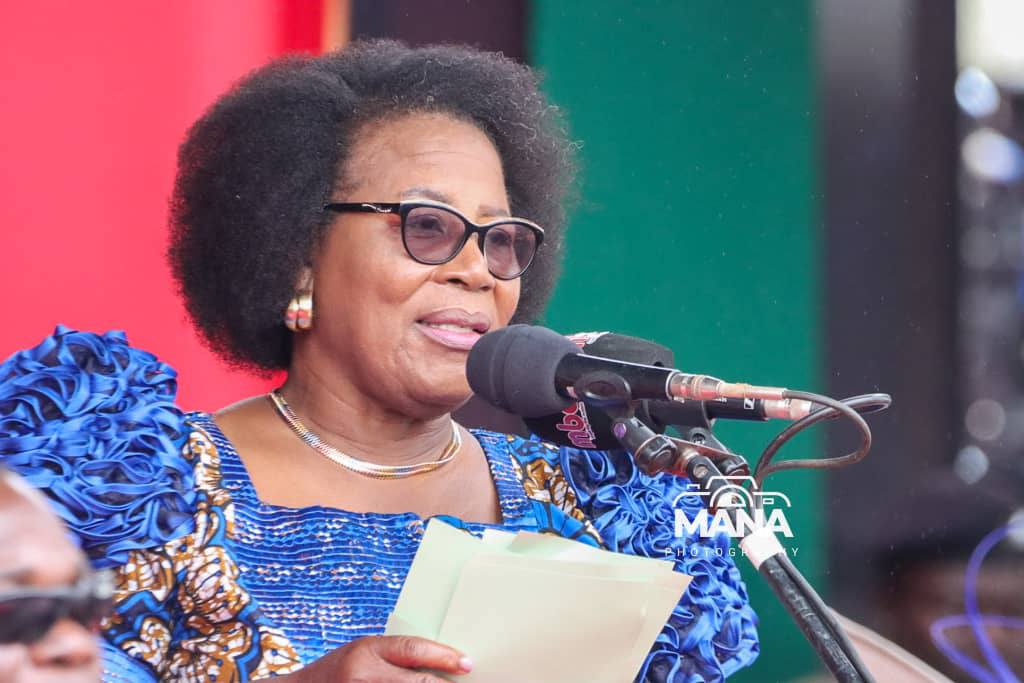
It sits in the office next door. It wears a suit and attends cabinet meetings. It smiles for cameras and cuts ribbons at provincial openings. And somewhere between the inauguration and the final year, it explodes, turning partnership into combat, unity into cold war, governance into constitutional trainwreck.
We call this person the vice president.
After thirty years and eight administrations, the pattern is so reliable you could set your watch by it. President and running mate start with handshakes and shared platforms. They end with silence, sabotage, warfare, or in one devastating case, death surrounded by conspiracy theories.
Every. Single. Time.
This isn’t about personality. This isn’t about tribes or regions. This is about a constitutional design flaw so glaring that our continued tolerance of it borders on national masochism.
The Trap: Who Betrayed Whom?
Every time this happens, we fall into the same argument about who’s at fault.
Was Malewezi disloyal for joining the opposition, or was Muluzi wrong to sideline him?
Was Chilumpha treacherous, or was Bingu paranoid for charging him with treason?
Was Joyce Banda ambitious for forming her own party while still VP, or was Bingu tyrannical for freezing her out?
Was Chilima a backstabber for founding UTM, or was Peter threatened by his deputy’s popularity?
Was Usi wrong to run against Chakwera in 2025, or was Chakwera wrong to marginalize him after appointing him?
We argue as if finding the guilty party would solve the problem. But that’s exactly wrong. The problem isn’t individual guilt, it’s mutual impossibility.
The System That Guarantees Betrayal
Look at what the running mate system actually creates:
For the president: An independently elected deputy with their own mandate, their own supporters, their own political base. Someone who can credibly claim “the voters chose me too.” Someone whose popularity might eclipse yours. Someone you can’t fire, can’t control, can’t fully trust.
For the vice president: A title with no constitutional power. Responsibilities that exist only at presidential pleasure and vanish when relationships sour. A role where your only options are irrelevance or rivalry.
Now watch what happens:
The president, feeling threatened, starts pulling back delegated duties. Cabinet positions go to loyalists. Key decisions happen without the VP in the room. The marginalization is gradual but relentless.
The vice president, watching their influence evaporate, faces a choice: accept slow suffocation or build independent power. Some check out mentally. Some endure political persecution. Some form their own parties while still in office. All of them, eventually, break.
Who’s betraying whom? Both. Neither. The question itself misses the point.
The president is rational to fear being overshadowed. The vice president is rational to resist irrelevance. Both are trapped in a game where cooperation means vulnerability and self-protection means conflict.
Eight Times. Eight Mutual Destructions.
Muluzi and Malewezi (1999-2004): Started together. By 2004, the relationship had collapsed so completely that Malewezi quit the UDF and joined the opposition People’s Progressive Movement. Betrayal or survival?
Bingu and Chilumpha (2004-2009): When Bingu formed the DPP in 2005, Chilumpha stayed in the UDF. Then came the persecution: court cases, treason charges, constitutional creativity about “constructive resignation.” Was Bingu defending his authority or destroying a deputy who wouldn’t heel?
Bingu and Joyce Banda (2009-2012): She refused to support his brother’s succession. He froze her out. She founded the People’s Party in 2011, while still serving as VP. Was she disloyal? Was she responding to being made irrelevant? Yes to both.
Peter and Chilima (2014-2020): Chilima was younger, more energetic, better at connecting with crowds. His popularity grew. His responsibilities shrank. By 2018, he’d founded UTM, a direct challenge to the president he still served. Who started it? The structure made it inevitable.
Chakwera and Chilima (2020-2024): Historic victory. Joint mandate. Shared purpose. And still, the tensions simmered. MCP and UTM maintained separate structures. Cabinet appointments tilted toward MCP. The alliance held, but barely, through discipline, not trust. Then June 10, 2024: Chilima died in a plane crash. Official investigation: weather and pilot error. But the conspiracy theories that erupted revealed what thirty years had taught people to expect, that presidents and vice presidents are locked in permanent warfare where even tragedy feels suspicious.
Joyce Banda and Khumbo Kachali (2012-2014): The irony was perfect. Joyce Banda, who had suffered marginalization under Bingu and formed her own party in response, became president after his death. When it came time to choose a running mate for the 2014 election, she passed over her sitting VP Khumbo Kachali in favor of Sosten Gwengwe. Kachali’s response? He formed his own party, the Freedom Party, while still serving as vice president. The victim became the perpetrator. The cycle repeated. Even lived experience of the trap couldn’t break the pattern.
Chakwera and Usi (2024-2025): After Chilima’s death, Chakwera appointed Michael Usi as VP in June 2024. Fourteen months later, Usi filed papers to run against the president who had appointed him. He formed his own party, Odya Zake Alibe Mlandu, while still serving as vice president. The pattern held perfectly: even an appointed VP eventually broke away.
Peter and Ansah (2025-present): Just four months into this administration, warning signs are already appearing. Jane Ansah, who ran as Peter Mutharika’s running mate and won with him in September 2025, has already lost DoDMA, the Department of Disaster Management Affairs—which was quietly moved from her office to the president’s. A UK trip controversy exposed contradiction between State House and her office. The marginalization playbook is running again.
Eight administrations. Eight mutual destructions. Zero exceptions.
The Solution: Change the Incentives
Stop forcing shotgun marriages through running mates. Start building actual teams.
The reform needs four key elements:
- Elect presidents alone. No running mates. Voters choose a president based on that individual’s vision and leadership.
- Presidents appoint vice presidents after inauguration. Based on trust, competence, shared vision. Parliamentary confirmation ensures quality control.
- Constitution defines VP duties. Specific responsibilities that can’t be arbitrarily revoked. Real work. Real authority. Not just whatever the president feels like delegating that week.
- Parliament can dismiss on presidential recommendation. When relationships genuinely break down, because sometimes people just can’t work together, there’s a clean, democratic exit. No persecution. No treason charges. No VPs forming opposition parties because they have no other way to matter.
The Party Formation Problem—And Why This Solves It:
Notice the pattern: Joyce Banda formed the People’s Party while VP. Chilima founded UTM while VP. Kachali created the Freedom Party while VP. Usi formed Odya Zake Alibe Mlandu while VP.
Some argue we should simply ban VPs from forming political parties while in office. But that treats the symptom, not the disease. VPs form parties because they’re being marginalized and have no other way to remain politically relevant. Banning party formation without addressing marginalization just removes the VP’s only leverage, leaving them completely powerless.
The real solution makes party formation unnecessary. When VPs have constitutional duties they can’t lose, they don’t need to build rival power bases for self-preservation. When presidents can dismiss VPs through Parliament, they don’t need to marginalize them into political exile. The incentive to form opposition parties while in office disappears from both sides.
Picture the Difference
Current system:
President thinks: I’m stuck with this person who might overshadow me. I can’t fire them. I can only make them irrelevant.
VP thinks: I’m being sidelined despite my electoral mandate. I need my own power base or I’ll disappear entirely.
Both betray each other. The relationship dies.
Reformed system:
President thinks: I chose this person because I trust them. They have constitutional responsibilities that complement mine. If it stops working, Parliament and I can address it. But for now, we’re governing together.
VP thinks: I was selected for competence and alignment. My duties are constitutionally protected. I don’t need to build independent power because I have real authority. My job is to do my job.
Both can actually work together. The relationship has a chance.
Why This Balances the Power
The current system creates opposite extremes: presidents have power to marginalize but not dismiss; VPs have electoral legitimacy but no constitutional authority. So, presidents persecute, VPs form rival parties, and both betray each other because the system offers no alternative.
The reform balances both sides: presidents can dismiss through Parliament (ending persecution), VPs have constitutional duties (ending the need for rival parties), and parliamentary oversight prevents abuse.
Three Levels of Accountability
Voters judge presidential choices. If presidents appoint disasters or cronies, if they develop patterns of burning through VPs, that becomes part of their record. Leadership includes building functional teams. Voters can evaluate whether a president does this well.
Parliament checks presidential power. The VP can only be dismissed through Parliament. If a president tries to abuse this, firing competent deputies out of paranoia, Parliament can refuse. This prevents the persecution we’ve seen repeatedly.
Constitutional duties check VP power. The VP has specific responsibilities they must perform. If they fail, if they’re incompetent, if they’re genuinely disloyal, the grounds for dismissal are clear and objective. This prevents VPs from coasting on constitutional protection while doing nothing.
Thirty Years Is Enough
How many more constitutional crises must we endure because two independently elected leaders can’t be fired but also can’t work together? How many more vice presidents will form opposition parties, not from disloyalty, but because marginalization made it their only path to relevance?
The pattern is clear. The solution is available.
Stop forcing shotgun marriages. Stop giving presidents power to marginalize but not dismiss. Stop giving vice presidents electoral legitimacy but no constitutional authority.
Build structures that make partnership possible by making rivalry unnecessary. Create a system where presidents choose loyal teams, where vice presidents have protected duties, where both are accountable through democratic processes instead of constitutional warfare.
Malawi deserves better than this endless cycle. Our people deserve leaders who can work together because the system rewards cooperation instead of mandating competition.
The choice is simple: keep running the same doomed experiment, or create a system that solves the problem from both ends.
Which will it be?
Follow and Subscribe Nyasa TV :