

Water bills set to jump 70% — as erratic supply “undermines public confidence
Malawi’s water boards have been handed strict conditions attached to their newly approved tariff hikes, after Minister of Agriculture, Irrigation and Water Development Roza Mbilizi revealed that President Peter Mutharika himself initially rejected the proposal, citing concerns over inefficiencies within the boards.
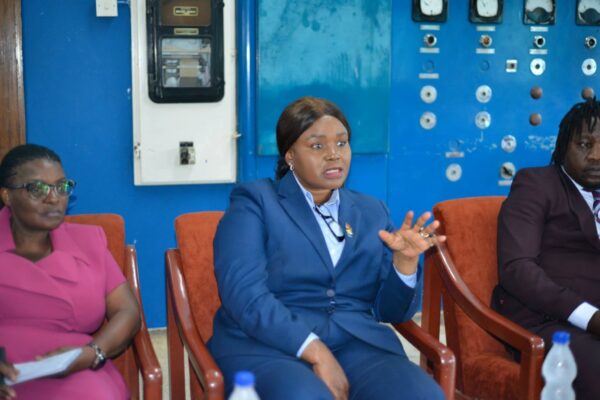
Speaking in an interview after touring the Blantyre Water Board (BWB) water intake at Walker’s Ferry in Nkula, Mbilizi confirmed that the country’s five water boards have now been given the green light to raise tariffs — but only on condition that service delivery improves and consumers are guaranteed safe water.
President demanded monitoring before approving hikes
Mbilizi revealed the President was equally troubled by the inefficiencies plaguing water boards, and had initially blocked the tariff hike proposal outright before ultimately relenting.
“That adjustment came with a lot of monitoring, key performance indicators for management, including the CEOs [chief executive officers] to make sure that they reduce non-revenue water because non-revenue water is very high,” Mbilizi said.
Tariffs to rise by up to nearly 70%
Earlier this month, the Ministry of Agriculture, Irrigation and Water Development approved upward tariff adjustments ranging from 11 percent to a staggering 69.99 percent across the country’s water boards.
Central Region Water Board increased its domestic tariff by 36 percent, with commercial and industrial tariffs jumping by 60 percent, while Lilongwe Water Board (LWB) raised its tariff by 20 percent.
Mbilizi said the boards had committed to using the additional revenue to address longstanding operational challenges facing the institutions.
Erratic supply “undermines public confidence” — minister
The minister did not shy away from acknowledging ongoing frustrations among consumers, expressing concern that water supply to Blantyre City and surrounding areas remained erratic — a situation she warned undermines public confidence in government.
“We [the government] can do…” Mbilizi said, addressing the challenges facing the institution, though stressing that improvements were now firmly on the agenda under the new conditions attached to the tariff hikes.
Decade-old solar project never materialised, reveals technician
Adding further context to the water boards’ struggles, BWB mechanical technician at Walker’s Ferry, Aubrey Kayange, revealed the board had planned to establish a solar power plant and develop new water intake projects roughly a decade ago, specifically to boost its revenue base — plans that were never implemented.
“If these projects were implemented, we would have boosted our revenue base and we couldn’t have been experiencing such challenges,” Kayange said, pointing to years of missed opportunity that have left the board struggling financially.
Pipelines 20 years past their lifespan, admits zone manager
BWB Limbe Zone manager Owen Malhon added further weight to the picture of an institution under severe strain, revealing that some of BWB’s main pipelines had exceeded their intended lifespan by around 20 years, making major maintenance work an urgent necessity.
Malhon confirmed that while a World Bank-funded water and sanitation project is expected to improve water supply in Blantyre, it will not benefit all residents, as implementation is currently focused solely on the Kabula and Soche zones — leaving other parts of the city waiting for relief.
The revelations paint a troubling picture of ageing infrastructure and years of missed investment opportunities across Malawi’s water boards, even as consumers now brace for significantly higher bills under the newly approved tariff hikes.
