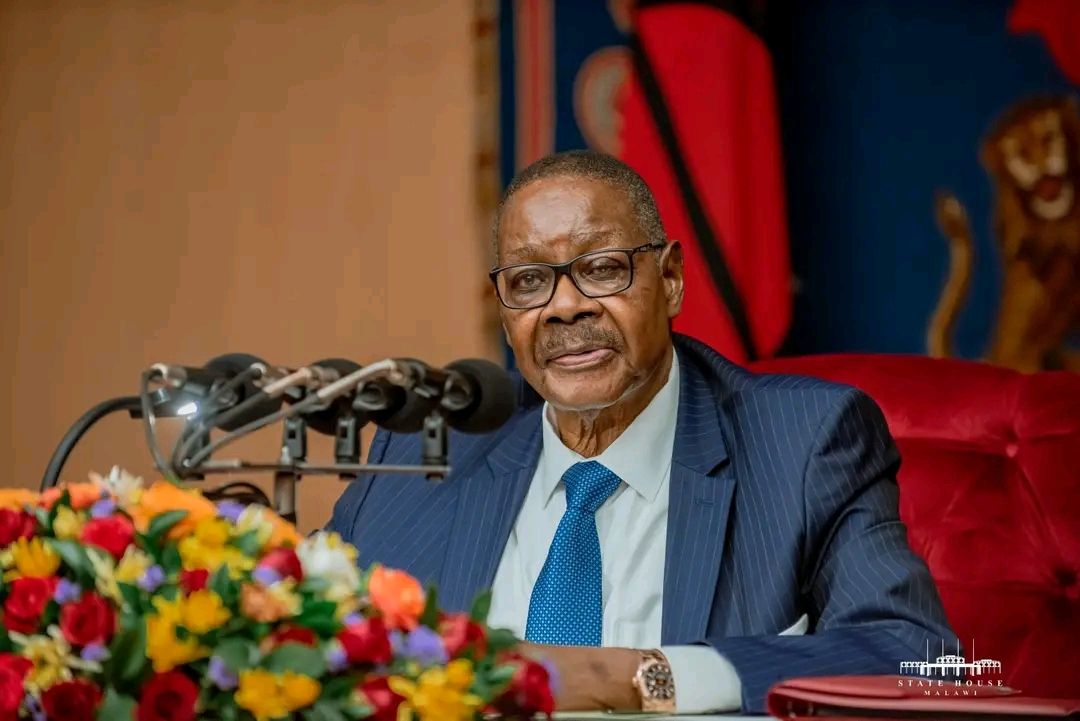
President Professor Arthur Peter Mutharika’s Cabinet ministers have been hitting the ground running, balancing international engagements with critical domestic initiatives, all while keeping the presidency fully informed of their activities. From driving economic growth and social protection to strengthening infrastructure and international partnerships, Malawi’s ministers are demonstrating proactive leadership across sectors.
Mutharika: His ministers pushing hard!
Economic Growth and Trade
Minister of Finance, Economic Planning and Decentralisation, Joseph Mwanamvekha, engaged with the Malawi Macadamia Association (MMA) at Capital Hill in Lilongwe to discuss strategies for boosting foreign exchange generation.
The meeting focused on scaling up production, enhancing value addition, and expanding exports. Mwanamvekha commended the sector’s contribution to national economic growth and assured continued government support under President Mutharika’s leadership. By focusing on export-oriented industries like macadamia, the government is opening pathways for rural employment, investment, and a stronger balance of payments.
Minister of Industrialisation, Business, Trade and Tourism, Simon Itaye, welcomed Rwanda’s High Commissioner Emmanuel Bugingo to discuss deepening trade relations under the African Free Trade Area (AfCFTA). Both parties emphasised the potential of enhanced trade, investment opportunities, and the operationalisation of Special Economic Zones, which will accelerate Malawi’s industrialisation efforts while expanding access to regional markets and boosting competitiveness.
Agriculture, Food Security, and Water Management
Agriculture remains a priority, with Minister Roza Fatch Mbilizi representing Malawi at the 49th IFAD Governing Council in Rome. She is exploring innovative ways to link young farmers to markets, strengthen value chains, and generate rural employment, addressing the challenges of market access and unstable pricing that limit the potential of Malawi’s youth in agriculture.
Meanwhile, Deputy Minister Thoko Tembo is attending the 23rd African Water and Sanitation Association Congress in Cameroon, engaging with continental experts on climate resilience, sustainable water management, and the digital transformation of utility services. These discussions directly support Malawi’s efforts to enhance irrigation, protect water resources, and improve sanitation systems crucial for agricultural productivity and public health.
At home, Mbilizi has directed the resumption of local seed production, targeting maize, legumes, rice, and other crops. By reducing dependency on imported seed and lowering input costs, this initiative empowers farmers to increase yields, strengthen food security, and participate more effectively in national and regional markets.
Social Welfare and Community Support
Social protection remains central to the government’s agenda. Minister Mary Navicha engaged the World Bank to explore additional support for vulnerable populations, including women, children, the elderly, and persons with disabilities. The discussions focused on strengthening delivery systems and improving programme efficiency to expand the reach of social protection initiatives, ensuring that Malawi’s most vulnerable communities are supported sustainably.
Deputy Minister Martha Mzomera Ngwira highlighted Malawi’s ongoing social protection efforts at the UN’s 64th Commission for Social Development in New York, showcasing initiatives like the Social Support for Resilient Livelihoods Project and the Malawi Social Cash Transfer Programme. Participation in global forums ensures Malawi can leverage technical expertise and funding to build inclusive growth and resilience.
Vice President Dr Jane Ansah has been actively combining faith-based engagement with humanitarian support, calling for national prayers to address drought-related food insecurity and distributing maize flour and livelihood resources through the Dr Jane Ansah Foundation in Ntcheu District. These interventions reinforce social cohesion and provide immediate relief for communities affected by natural challenges.
Health and Infrastructure
Minister of Health and Sanitation, Madalitso Baloyi, officially opened the upgraded Khwisa Health Centre in Balaka District. The facility, constructed with support from Germany, Norway, and the UK, will serve over 1,500 households while reducing congestion at Balaka District Hospital. Baloyi also cautioned health personnel against vandalism and theft, emphasising the importance of safeguarding public investments and improving service delivery.
Minister of Transport and Public Works, Jappie Mhango, inspected the Chimwaza–Nambuma Road project in Dowa District, observing steady progress. Once completed, the road will enhance connectivity, facilitate access to markets, and promote socio-economic development for surrounding communities. In Lilongwe, Minister of Local Government and Rural Development, Dr Ben Malunga Phiri, coordinated with the Japanese Ambassador and UN Resident Coordinator to strengthen urban governance, municipal management, and development planning—critical for improving service delivery, attracting investment, and promoting sustainable city management.
Environmental Management and Natural Resources
Minister of Natural Resources, Patricia Wiskes, and her deputy, Chipiliro Mpinganjira, are visiting Mangochi District to review interventions in fisheries and forestry. Their hands-on approach ensures that natural resources are managed sustainably, supporting livelihoods, protecting ecosystems, and bolstering climate resilience across vulnerable regions.
Defence and National Security
Minister of Defence, Dr Feston Kaupa, visited the Malawi Air Force and Malawi National Service to assess personnel, resources, and operational readiness. He commended the professionalism of officers while highlighting the broader role of defence institutions in national development, including food security, self-sufficiency, and disaster response.
Diplomacy and International Engagements
Minister of Foreign Affairs, Dr George Chaponda, is attending the African Union Executive Council session in Addis Ababa, engaging with continental counterparts on peace, security, governance, and economic integration under Agenda 2063. Active diplomatic engagement positions Malawi as a respected voice in Africa, strengthening partnerships that support trade, security, and development.
On the humanitarian front, Zimbabwe delivered 370 tonnes of maize to Malawi households affected by drought, with the Chief Secretary reporting directly to President Mutharika. This timely support reflects the importance of strong regional cooperation and disaster preparedness.
Conclusion
From driving domestic development to representing Malawi on the global stage, President Mutharika’s ministers are demonstrating a dynamic, multi-sectoral approach to governance. Their work strengthens the economy, safeguards communities, advances social protection, and enhances Malawi’s international standing. Regular reporting to the presidency ensures coordinated action, translating policy into tangible outcomes that directly impact the lives of Malawians.