

Auditor General says ministries present forged receipts to fake expenses
The ongoing scrutiny of audit reports which the Parliamentary Public Accounts Committee (PAC) continues to reveal the rot in government ministries, departments and agencies with Auditor General Stepheson Kamphasa suspecting that fake receipts are tendered for auditing purposes to fake expenses.
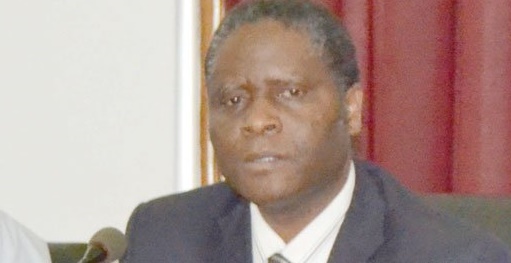
Kamphasa said some controlling officers deliberately hide documents and forge receipts.
“We always look at the documents as they are and see if they really form part of the answers that the controlling officer is coming forward with,” said Kamphasa after Ministry of Tourism, Wildlife and Culture officials appeared before PAC.
He continued: “We look at the source of the document, who originated it and how it matches with the information given, If we are to have machines that can even detect [malparctices in] the construction industry to say whether what we are looking at as a building or road are matching with the bills of quantity. If there is a mismatch, we should be able to tell them that this is not correct; we are in a digital world and in order to deal with these matters we need to take proper action on controlling officers who are cheating.”
PAC deputy chairperson Kamlepo Kalua said Parliament should lobby international partners to help National Audit Office to have a modern carbon dating machine to enable the auditors to match the items procured with the bills that controlling officers present.
Kalua said people are “misusing government’s money” and have created a WhatsApp group “to discuss and brainstorm” on answers to give PAC and they present same answers and wording to shield their thieving.
There have been more revelations of plunder in public funds during scrutiny of the 2013/14 financial reports from the National Audit Office (NAO) and now PAC has started analysing expenditures for the 2014/15 financial year when President Mutharika and his DPP administration came to power.
The shooting of former Ministry of Finance budget director Paul Mphwiyo outside the gate of his Area 43 residence in Lilongwe on the night of September 13 2013 is widely believed to have exposed revelations about the plunder of public resources at Capital Hill, widely known as Cashgate.
Former president Joyce Banda, who ascended to the presidency on April 7 2012 in line with constitutional order following the death of Bingu wa Mutharika, ordered a forensic audit which British firm RSM (formerly Baker Tilly) undertook covering a randomly chosen period of six months, between April and September 2013.
The RSM audit established that about K24 billion was siphoned from public coffers through dubious payments, inflated invoices and goods or services never rendered.
In 2015, a financial analysis report by audit and business advisory firm PricewaterhouseCoopers (PwC) also established that about K577 billion in public funds could not be reconciled between 2009 and December 31 2014. The K577 billion figure was later revised downwards to K236 billion in another forensic audit.
Follow and Subscribe Nyasa TV :