

Blackout Nation: Malawi’s Power Crisis Pushes the Country to the Brink
Malawi is sinking deeper into a power crisis that has left homes, hospitals, schools, and businesses in total darkness. The blackouts tormenting the nation are no longer just whispers or social media complaints—they are real, verified, and officially confirmed by both the Electricity Supply Corporation of Malawi (ESCOM) and the Electricity Generation Company (EGENCO).
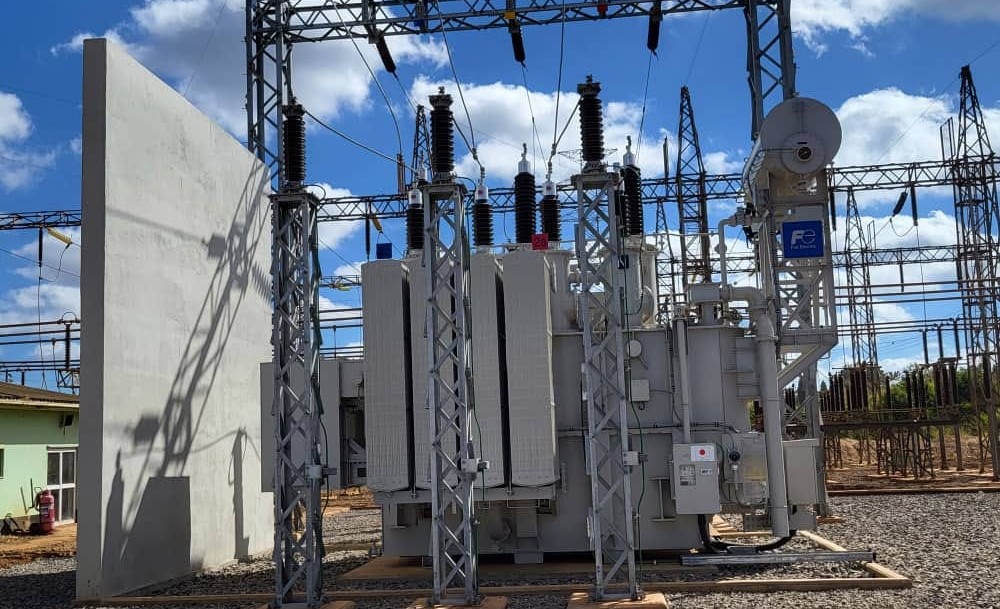
According to the two institutions, Malawi suffered a national system shutdown on April 22, 2025, and has since been running on dangerously low generation capacity. The electricity available is nowhere near what the country needs, forcing ESCOM to continue long, unpredictable hours of load-shedding.
The heart of the problem lies in broken machines and outdated infrastructure. Key units at the Tedzani and Kapichira hydropower stations have collapsed, wiping out over 70 megawatts from the grid. At times, faults and damage have caused shortfalls of up to 111 megawatts. Even when the system is fully functional, ESCOM loses about 20 percent of generated power through transmission inefficiencies.
And because Malawi’s power grid operates as a standalone system—not connected to neighboring countries—one minor fault can plunge the entire nation into darkness.
Money troubles have only worsened the situation. ESCOM is drowning in debt to independent power producers and can barely pay them due to crippling forex shortages. Officials admit that while Malawi could import up to 1,000 megawatts from Mozambique, it currently manages a paltry 50 megawatts because the nation simply cannot afford more.
To make matters worse, electricity tariffs have lagged behind soaring maintenance and import costs, drying up ESCOM’s income and crippling its ability to buy spare parts, fix aging equipment, or invest in modern technologies.
The structural split between ESCOM (supply) and EGENCO (generation) has made coordination messy and inefficient. Both depend almost entirely on hydropower—plants that are old, fragile, and at the mercy of shrinking rivers and erratic weather patterns.
Yet, amid the darkness, there is a faint flicker of hope. The long-awaited Mpatamanga Hydropower Project is set to add 358 megawatts once completed, and the Malawi–Mozambique interconnector promises to stabilize supply by linking Malawi’s grid to regional power pools. Solar projects such as Salima Solar are also in the works, aiming to diversify energy sources.
But these are promises for tomorrow—while today, the lights are still out.
Malawi’s power crisis is real, deep, and devastating. It is the result of broken machines, poor planning, financial mismanagement, and decades of neglect. The blackout is not just physical—it symbolizes a nation’s struggle to rise above darkness.
If Malawi is to light up again, it must act urgently: repair its power stations, finish stalled projects, enforce accountability, and manage resources with transparency. The time for excuses is over.
Until then, the nation remains in the dark—both literally and figuratively.
Follow and Subscribe Nyasa TV :