More than three weeks after the deadline for applications closed, the process of shortlisting candidates for the position of Anti-Corruption Bureau (ACB) director general (DG) has not even started, with government now blaming “internal processes” for the delay.
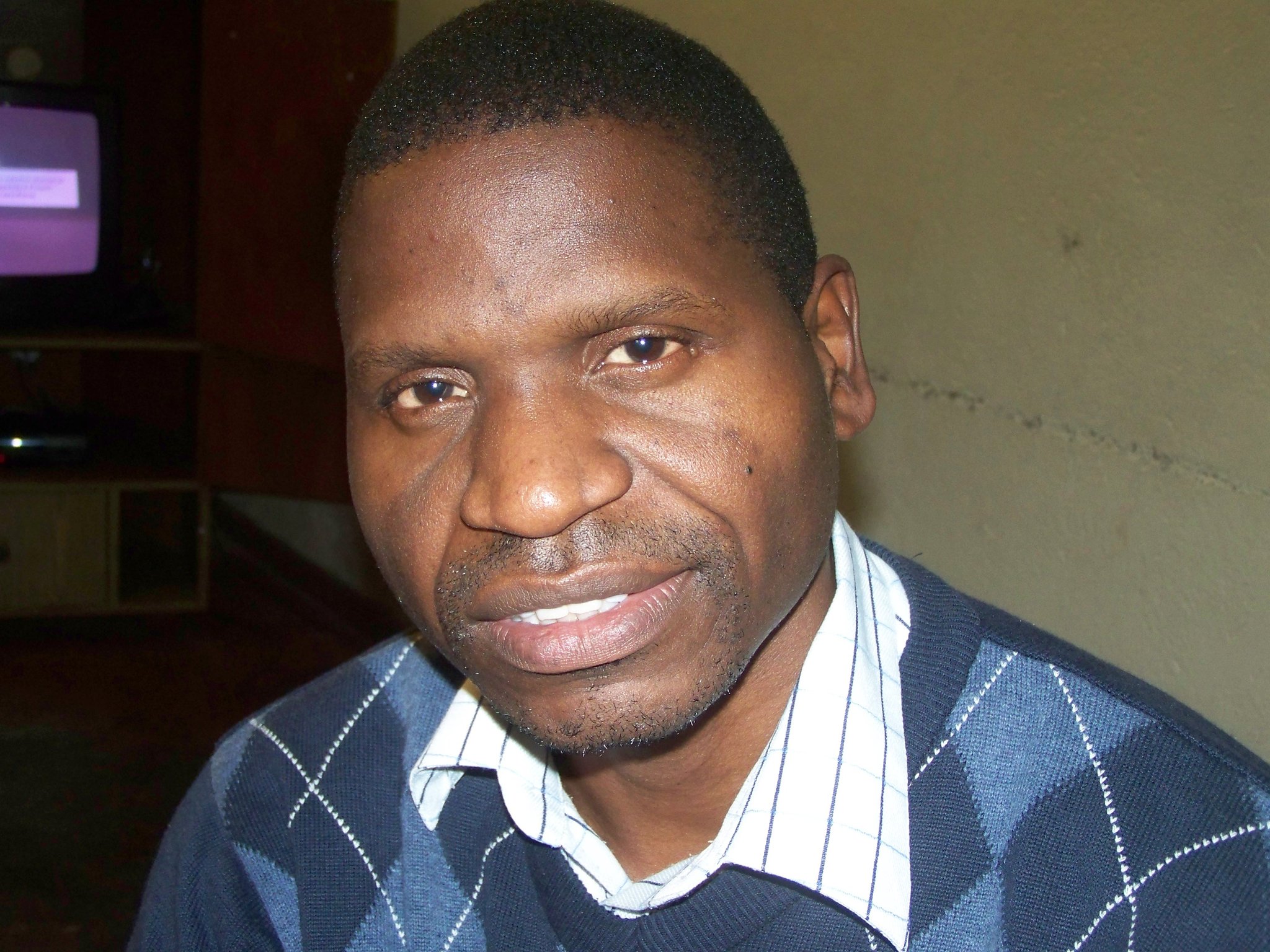
Namangale: I can confirm
In December last year, the Ministry of Justice and Constitutional Affairs advertised the highly sensitive post, giving applicants up to January 6, 2026 to submit their applications.
The ministry later confirmed that it had received at least 50 applications and promised that shortlisting would “soon” take place.
But as of now, nothing has moved.
Ministry spokesperson Frank Namangale said that the process is still on hold because a committee to oversee recruitment has not yet been formed.
“Internal processes have been underway and the Honourable Minister of Justice and Constitutional Affairs [Charles Mhango] will soon constitute a committee to carry out the shortlisting process,” Namangale said.
He said the same committee would also conduct interviews.
However, Namangale failed to give any timeline on when the committee will be set up, when shortlisting will begin, or when the entire recruitment process will be concluded.
The delay has triggered growing concern and suspicion, especially given that the position has been vacant since May 2024, when the contract of former DG Martha Chizuma expired.
That means the country’s main anti-corruption body has now operated without a substantive head for almost two years.
Critics argue that the ministry’s explanation raises more questions than answers.
Observers are asking how a job could be advertised nationally without first setting up a recruitment committee, and why such “internal processes” are only being addressed after applications have already closed.
National Anti-Corruption Alliance chairperson Michael Kaiyatsa warned that the delays risk undermining public trust in the entire process.
“We expect the ministry to carry out a transparent and merit-based recruitment process,” Kaiyatsa said.
“We also call for a process that is open, competitive and free from political influence,” he added.
Kaiyatsa further said the shadow of what happened to the previous DG still looms large.
“Considering what happened to the previous DG, we expect the appointing authorities to guarantee that the next DG will be free from political interference both during recruitment and while executing their mandate,” he said.
Behind the scenes, however, pressure is mounting, with insiders suggesting that political interests are jostling to control who leads the corruption watchdog.
For many Malawians, the standoff feels like a familiar script: government advertises, promises action, then blames procedures when nothing happens — all while corruption cases pile up and accountability stalls.
As the blame game continues, one fact remains clear: the longer the delay, the weaker the fight against corruption appears, and the more credibility the entire recruitment process loses.
Follow and Subscribe Nyasa TV :
Follow us in Twitter
One reply on “Blame Game as ACB Boss Recruitment Stalls”